BREAKING: U.S. Reportedly Considering Special Operation To Steal Iran’s Uranium.
A highly risky commando raid is reportedly being discussed inside the White House as fears grow that Iran’s near-bomb-grade uranium could soon become a nuclear weapon.

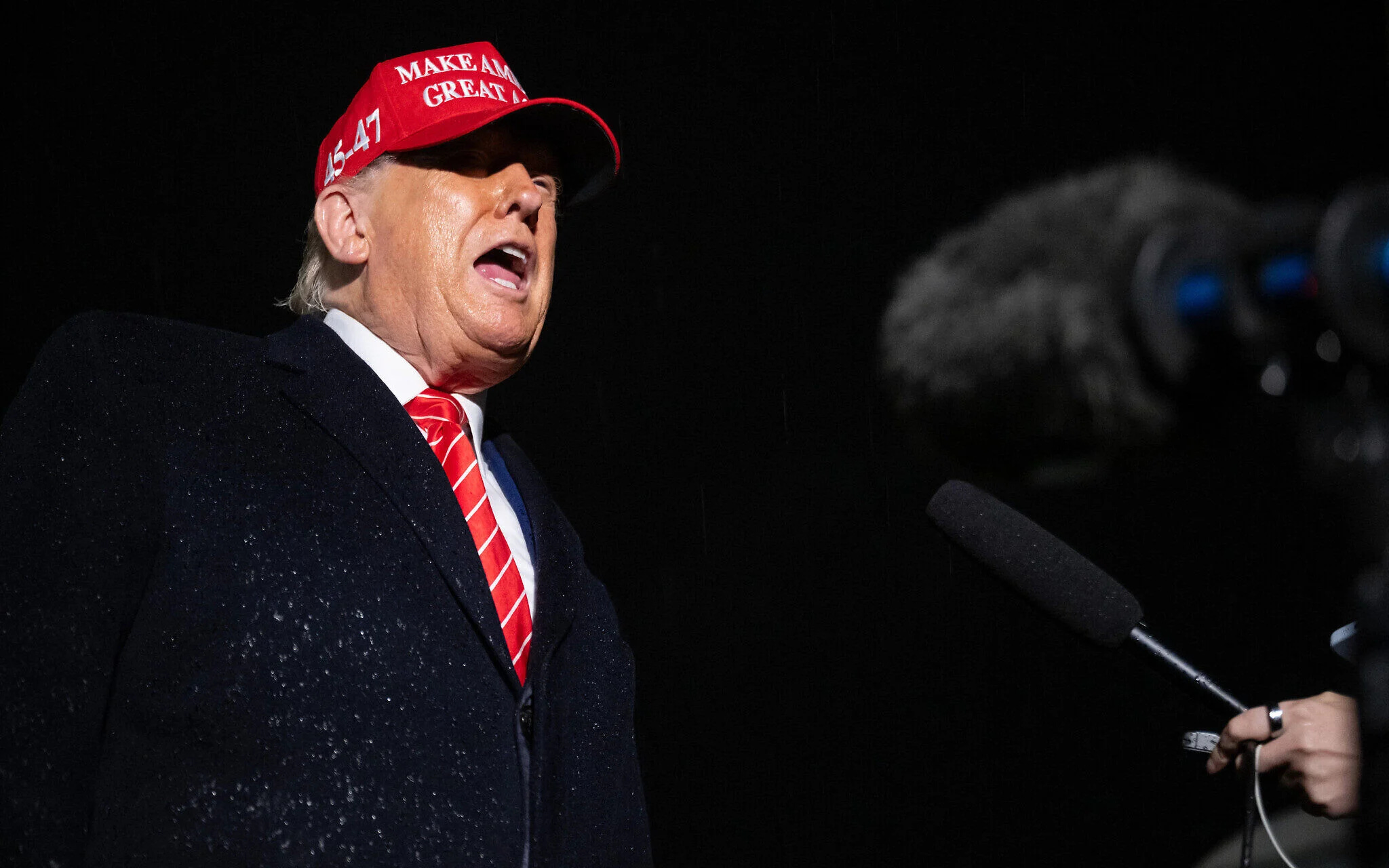
Trump is weighing the option of deploying special forces on the ground to steal Iran’s near-bomb-grade uranium, which was his hidden plan all along.
According to reports citing diplomatic officials familiar with the discussions, the White House is exploring the possibility of sending elite troops into Iran to steal a stockpile of highly enriched uranium believed to be close to weapons-grade levels.
The uranium in question—estimated at roughly 450 kilograms enriched to about 60 percent—is considered dangerously close to the level required for nuclear weapons. Experts say that if further enriched to around 90 percent purity, the material could theoretically be used to produce multiple nuclear bombs in a matter of weeks.
The idea being discussed inside the administration is both simple and extraordinarily dangerous: send special operations forces deep into hostile territory, locate the nuclear material, and remove or neutralize it before Iran can convert it into a weapon.
But the implications of such an operation go far beyond a military raid.
It raises serious questions about whether the United States is sliding toward a far larger war in the Middle East.
A Mission Unlike Any Other
Military analysts say that if such a mission were attempted, it would likely be one of the most complex special operations in modern history.
The uranium stockpile is believed to be stored in or around heavily fortified nuclear facilities—sites that are often buried underground, shielded by air defenses, and guarded by Iranian forces.
Sending troops into such locations would not resemble the covert raids Americans have seen in movies.
Instead, it would require massive planning, intelligence gathering, and likely ongoing air operations to suppress Iran’s defenses before troops could even enter the area.
One U.S. official familiar with discussions said the administration has examined multiple scenarios: either removing the uranium from Iran entirely or bringing nuclear experts into the site to dilute the material so it can no longer be used in weapons.
Both options would require boots on the ground.
And both options would mean the United States entering Iran directly.
That alone could dramatically escalate the conflict.
The Real Fear: A Hidden Nuclear Stockpile

The discussions about a special operation stem from one core fear inside Washington: the possibility that Iran’s uranium may have already been moved.
Some intelligence officials worry the material may have been relocated before previous airstrikes targeted Iranian nuclear facilities.
If that happened, the stockpile could be hidden in unknown locations across the country.
That uncertainty is precisely what is fueling talk of a direct raid.
If the uranium cannot be destroyed in the air—and its location can be confirmed—the only remaining option could be to secure it physically.
For military planners, however, that scenario presents enormous risks.
Iran is not a failed state or a lightly defended territory.
It is a large, heavily armed nation with powerful regional allies and well-trained military forces.
Any American troops entering Iranian territory would likely face immediate resistance.
A War That Could Spiral
Even if the mission were successful, the consequences could be enormous.
A U.S. ground operation inside Iran could easily trigger a wider war across the Middle East.
Iran has long warned that direct attacks on its territory would lead to retaliation against American forces and allies throughout the region.
That could include strikes on U.S. bases, attacks on shipping lanes in the Persian Gulf, or military actions involving proxy groups allied with Tehran.
The region is already on edge.
Adding American commandos conducting nuclear raids deep inside Iran would raise the stakes dramatically.
And history shows that once conflicts escalate to that level, controlling them becomes far more difficult.
Why The Uranium Matters


The urgency surrounding Iran’s uranium stockpile is tied to the broader global fear of nuclear proliferation.
Highly enriched uranium is the key ingredient required to build a nuclear weapon.
At 60 percent enrichment, Iran’s current stockpile is already much closer to weapons-grade levels than the uranium typically used for civilian nuclear energy.
According to experts, converting that uranium to the 90 percent enrichment needed for a bomb could take only weeks if the infrastructure is in place.
That reality is what has driven years of diplomatic negotiations, sanctions, and international inspections aimed at limiting Iran’s nuclear capabilities.
But diplomacy has repeatedly broken down.
And now the conversation has shifted toward military solutions.
A Risky Precedent
There is also a broader strategic concern.
Sending troops to steal nuclear material inside another sovereign nation would set a major international precedent.
While the United States has carried out covert operations in the past, openly deploying forces to capture nuclear materials inside a rival country would represent a dramatic escalation in global power politics.
Critics warn it could normalize the idea that nuclear disputes are solved through military raids rather than diplomacy.
Supporters of the plan argue the opposite.
They say that preventing a nuclear weapon from falling into the hands of hostile regimes is worth the risk.
From that perspective, securing the uranium before it becomes a bomb could actually prevent a far more catastrophic conflict later.
The Political Calculations

The discussions also carry enormous political implications.
Trump has repeatedly stated that Iran must never be allowed to obtain a nuclear weapon.
For his administration, the uranium stockpile represents the most direct path toward that outcome.
But ordering a ground mission inside Iran would also be one of the most controversial military decisions any U.S. president could make.
American voters remain deeply wary of new wars in the Middle East after two decades of conflict in Iraq and Afghanistan.
A risky commando operation could quickly become a political flashpoint if it goes wrong.
And operations involving nuclear materials carry additional dangers—from radiation exposure to the possibility of accidental contamination.
The stakes could not be higher.
The Reality Behind The Headlines
At the moment, officials emphasize that no final decision has been made.
The discussions remain part of contingency planning—military options that could be used if circumstances demand them.
Presidents often review multiple scenarios before choosing a course of action.
But the fact that such a plan is even being considered shows just how serious the situation has become.
When governments start discussing commando raids to seize nuclear material, diplomacy has clearly reached its limits.
The Dangerous Road Ahead

Whether or not the United States ultimately carries out such an operation, one thing is certain: the standoff over Iran’s nuclear program is entering a far more dangerous phase.
The presence of near-weapons-grade uranium inside a hostile geopolitical environment creates a ticking clock that policymakers feel pressured to address.
But military solutions rarely come without consequences.
A raid to steal Iran’s uranium might eliminate one threat.
It could also ignite many others.
History has shown that once conflicts involving nuclear ambitions begin to escalate, they rarely stay contained.
And if the world’s most powerful military truly moves forward with a mission to seize nuclear material from inside Iran, it will mark a moment that could reshape the future of the Middle East—and possibly the global balance of power itself.
For now, the plan remains only a discussion behind closed doors.
But the very existence of that discussion tells us something important.


