




We live in a world capable of tracking our every movement, protecting properties, and enforcing countless laws. Yet when women and children face deadly violence, protection too often arrives as a promise made after their deaths.
How much longer will we accept that?
Imagine living in a society where stealing a car can trigger an immediate police investigation, where financial fraud can bring entire institutions into action, and where governments can mobilize extraordinary resources to protect borders, businesses, and political interests.
Now imagine being a woman who has repeatedly told authorities that a man is threatening to kill her.
She has messages. She has witnesses. She has evidence. She has fear so overwhelming that sleeping through the night has become impossible.
And yet, depending on where she lives and how the system responds, she may discover that the institutions capable of protecting almost everything else cannot guarantee her safety.
That contradiction should outrage every decent human being.
Because what does it say about our priorities when a society can invest billions in security but still leave women fighting to convince someone that their lives are in danger?
What does it say about justice when the threat of violence is treated as a domestic disagreement until a woman or a child ends up dead?
And what does it say about us when we have become so accustomed to hearing about murdered women and children that we barely question the systems that failed them?
I am so fucking sick and tired of men murdering women and children and of the failures of accountability that allow too many perpetrators to act with impunity.
But I am equally tired of being told that outrage is enough.
It isn’t.
The Problem Is Not That We Don’t Know. It’s That We Keep Accepting It.
We know that every day women are killed by intimate partners and family members. We know that domestic violence can escalate. We know that threats, stalking, coercive control, and previous assaults can signal serious danger.
According to UN Women and UNODC estimates, approximately 50,000 women and girls worldwide were killed by intimate partners or other family members in 2024.
Key Facts from the Report
Total Intentional Killings: 83,000 women and girls were intentionally killed globally.
Killed by Loved Ones: 60% of those deaths (50,000 women and girls) were perpetrated by intimate partners or family members.
Frequency: An average of 137 women and girls are killed by a partner or family member every day, or roughly one every 10 minutes.
Comparison with Men: By contrast, only 11% of male homicides were committed by intimate partners or family members.
Children/Infants: Global comprehensive data specific to the total number of young children (boys and girls under age 18) killed by family members is not broken out as a standalone worldwide global total in this specific UN Women/UNODC annual report, which focuses primarily on women and girls (femicide) and gender-related killings.
Consider the enormity of that number. And then consider that it represents only one category of killings.
We are not confronting an invisible crisis.
We are confronting a crisis that has become disturbingly visible without becoming sufficiently intolerable.
Governments publish reports. Researchers document patterns. Organizations issue recommendations. Politicians promise reforms.
Yet the distance between knowing what is wrong and doing what is necessary remains enormous.
At what point does repeated failure stop being an unfortunate oversight and become a political choice?
A society reveals its priorities not only through the values it celebrates but through the suffering it repeatedly tolerates.
And the suffering of women and children has been tolerated for far too long.
When a Man Decides That a Woman’s Freedom Is an Offense.
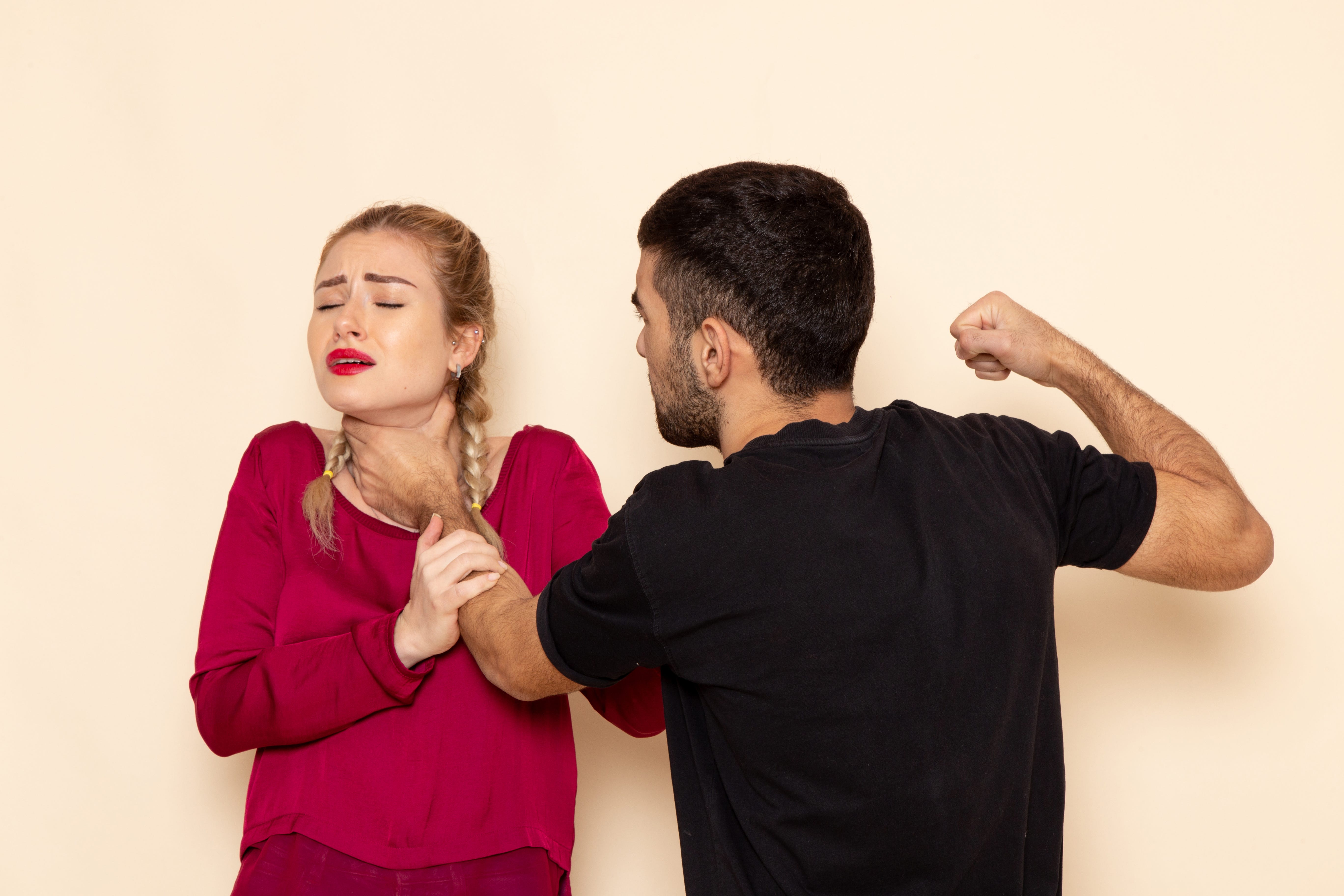
There is a particular kind of entitlement that deserves far more scrutiny than it receives.
The belief that a woman who chooses to leave, reject, disagree with, or live independently of a man has somehow committed an offense against him.
A woman says the relationship is over.
He decides it cannot be.
She wants to move forward.
He decides she must remain emotionally, financially, or physically available to him.
She chooses herself.
He interprets that choice as a personal humiliation.
In the most dangerous cases, that entitlement becomes a justification for violence.
And this is where society must stop confusing possession with love.
A woman is not a man’s reward for being attentive. She is not a debt he is entitled to collect because he once supported her financially. She is not obligated to remain in a relationship because they have children together.
She is a human being with the right to make decisions that another person may dislike.
A man’s disappointment is not a woman’s death sentence.
That principle should be taught in homes, classrooms, sports clubs, religious communities, and every institution that helps shape how boys understand themselves and their relationships with others.
Because we cannot build a safer future while continuing to raise children in environments where domination is admired, and women’s independence is treated as a threat.
And What About the Children?
There is something almost unbearable about imagining a child caught in the violence of adults.
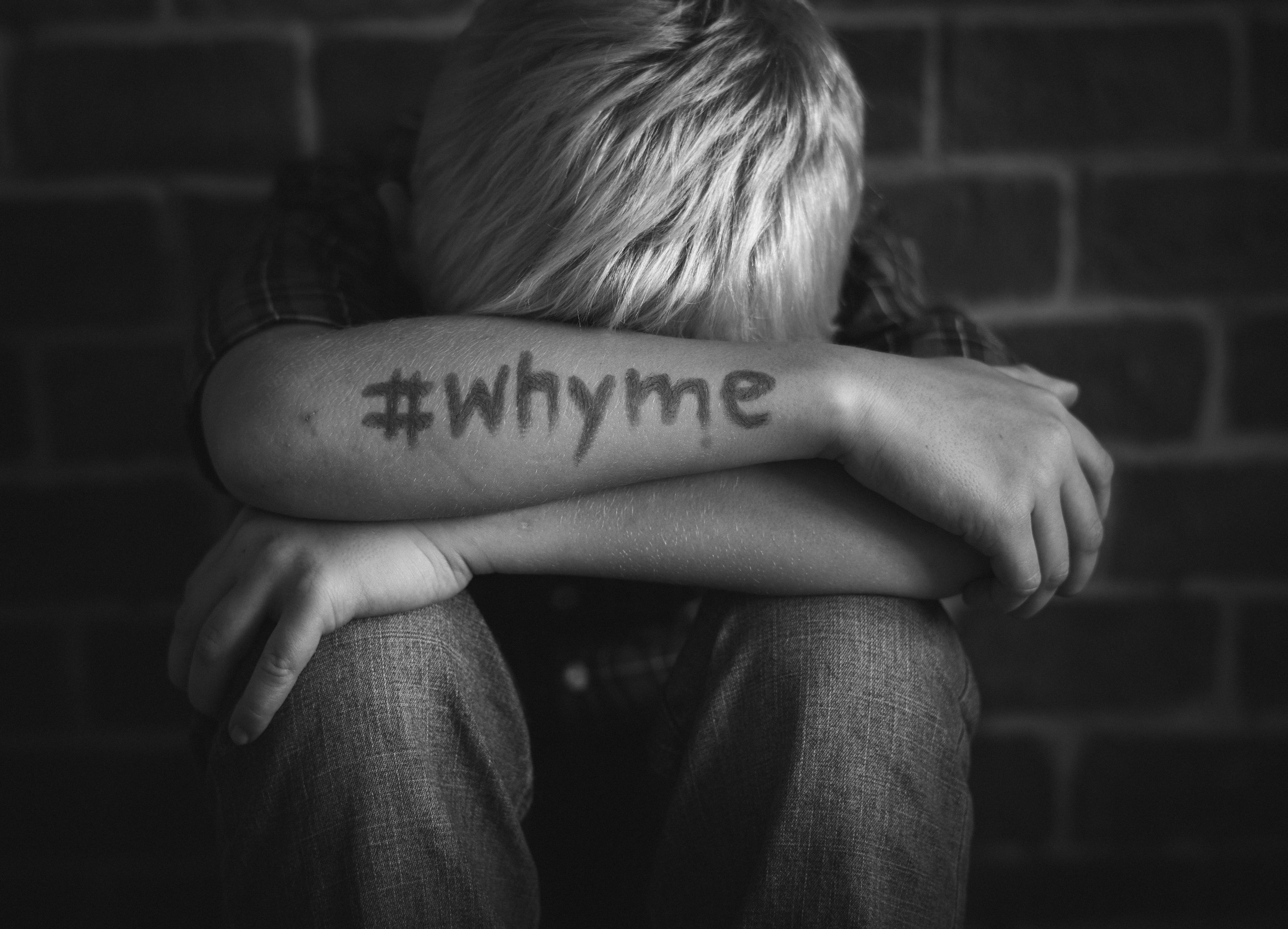
A child who should be thinking about tomorrow’s school assignment, a birthday celebration, or which friend to invite over for the weekend.
Instead, that child may be learning to recognize danger from the sound of footsteps.
Some children are murdered by adults entrusted with their care. Others are killed in acts of revenge against a partner. Still others lose their mothers to violence and must somehow grow up around an absence that changes everything.
Imagine a little girl standing in her bedroom, holding a drawing she made for her mother, not yet understanding why her mother will never see it.
Imagine a boy reaching for his mother’s hand in a crowded place before remembering that she is gone.
These images are painful because they represent the kind of ordinary love that violence destroys.
And we should resist the temptation to discuss these children only as secondary victims of violence against women.
They have their own rights.
Their own futures.
Their own need for protection.
When children are endangered by domestic violence, their safety must become an urgent responsibility, not an afterthought.
A child’s home should never be the place they fear most.
Why Are We More Comfortable Managing Violence Than Preventing It?
Modern society has developed sophisticated systems for anticipating risk.
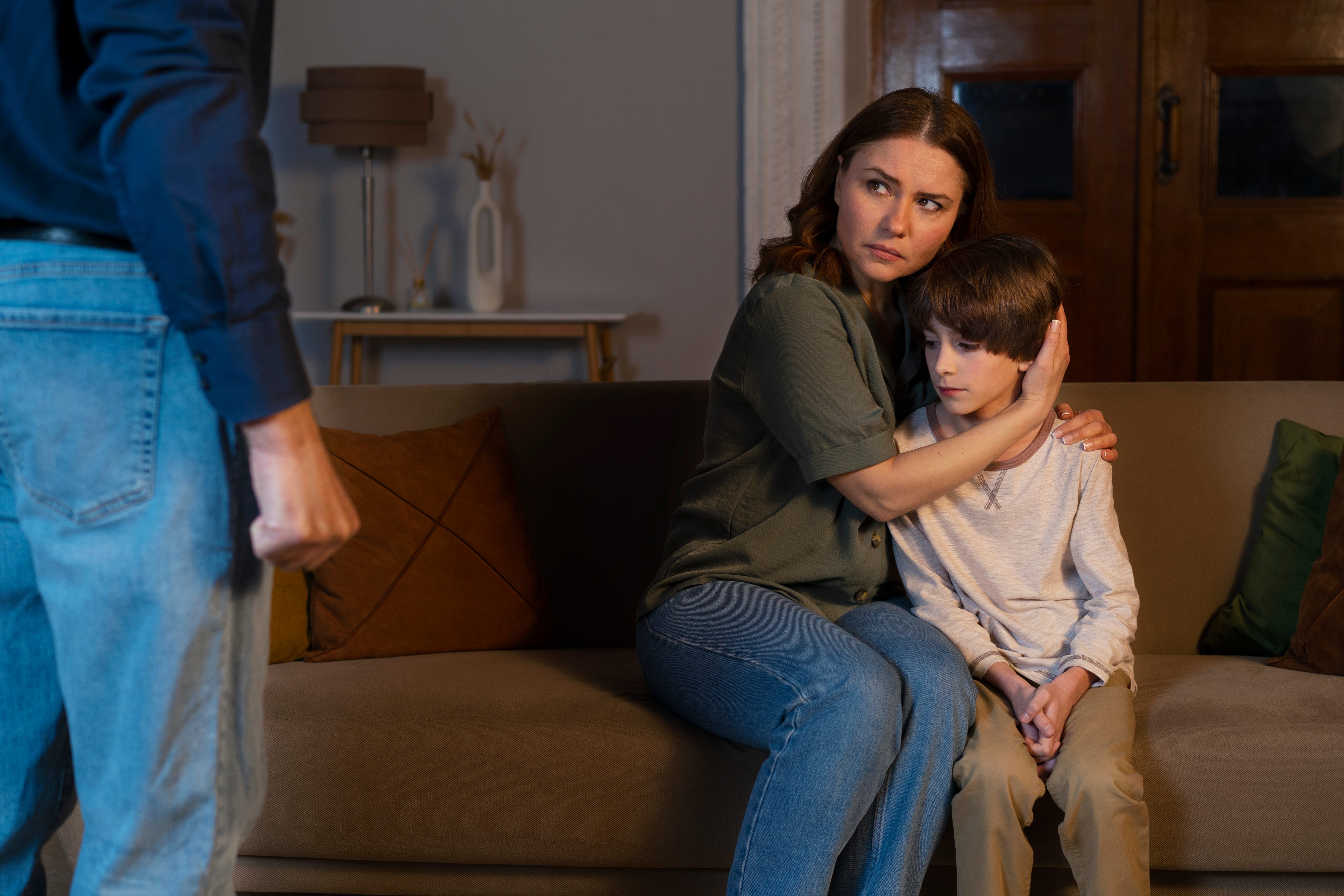
Banks monitor suspicious transactions. Businesses assess potential losses. Governments study threats to national security.
We understand prevention when money, infrastructure, and institutional stability are at stake.
So why does prevention so often become uncertain, underfunded, or fragmented when the threatened life belongs to a woman or a child?
It’s safe to say that predicting human violence is complex. No system can eliminate every risk, and not every warning sign leads to murder.
But complexity cannot become an excuse for institutional paralysis.
When credible threats are reported, authorities need the resources, training, and legal mechanisms to assess danger and respond effectively.
When women need emergency accommodation, the availability of protection should not depend on whether a shelter happens to have space.
When perpetrators violate protective orders, those violations must be taken seriously.
And when public agencies fail to act on repeated warnings, those failures deserve independent examination.
Accountability is not simply about imposing a prison sentence after a murder.
It is also about asking whether a preventable death occurred because the people responsible for responding to danger lacked resources, ignored evidence, or failed to coordinate.
Justice that begins only after burial is justice arriving too late.
This Is Not a War Against Men. It Is a Demand for Responsibility.
There will be people who read this article and immediately become defensive.


They will insist that not all men are violent.
Of course not.
Millions of men are loving fathers, respectful partners, compassionate friends, and committed advocates for women’s safety.
But the existence of good men does not make violence committed by other men less urgent.
Nor should the conversation become an endless exercise in reassuring men that they are not personally being accused.
We can acknowledge individual innocence while demanding collective responsibility for changing harmful social norms.
And men have an indispensable role in that work.
A man does not need to wait until a woman is murdered to question a friend’s threatening behavior.
He does not need to be a father to care about children’s safety.
He does not need to have a daughter to understand that women deserve freedom.
What we need is not performative declarations of respect for women but consistent behavior that makes that respect meaningful.
Challenge the friend who jokes about hurting his ex-partner. Refuse to excuse harassment. Take credible threats seriously. Support survivors without turning their experiences into opportunities for self-congratulation.
And teach boys that being rejected, contradicted, or left by a woman is not an attack on their manhood.
The measure of a man’s character is not how much control he can exercise over others, but how he behaves when he has none.
The Real Scandal Is What Happens After the Public Forgets.
Public attention has a short lifespan.
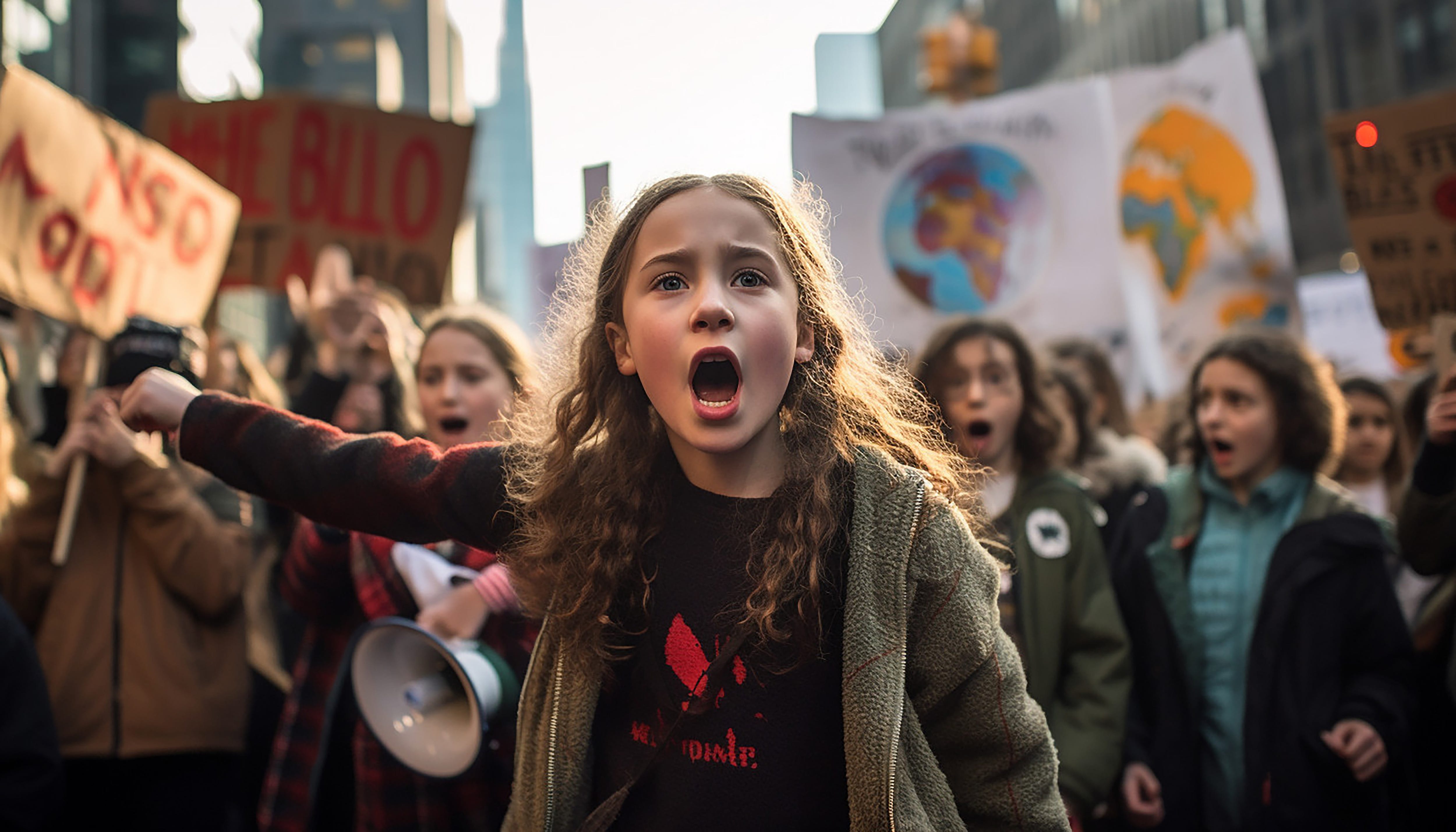
A particularly horrific killing can dominate the news for days. Politicians may express outrage. Demonstrations may fill the streets. Governments may announce inquiries.
Then another crisis captures the public imagination.
But for the family of the murdered woman, nothing returns to normal.
Her absence becomes part of every birthday, every holiday, every family gathering.
And the question of whether justice will be served may remain unanswered for years.
That is why meaningful change cannot depend on public anger remaining fashionable.
We need sustained pressure for stronger prevention systems, properly resourced investigations, accessible survivor services, transparent reporting on outcomes, and effective legal accountability.
We need journalists who investigate patterns of institutional failure rather than treating every killing as an isolated spectacle.
We need voters who ask candidates what concrete measures they will fund, not merely whether they condemn violence.
And we need communities willing to support organizations doing the difficult, often invisible work of keeping people safe.
The purpose of outrage should not be to demonstrate how deeply we feel.
It should be to change what happens next.
We Don’t Want Another Apology. We Want a Different Future.
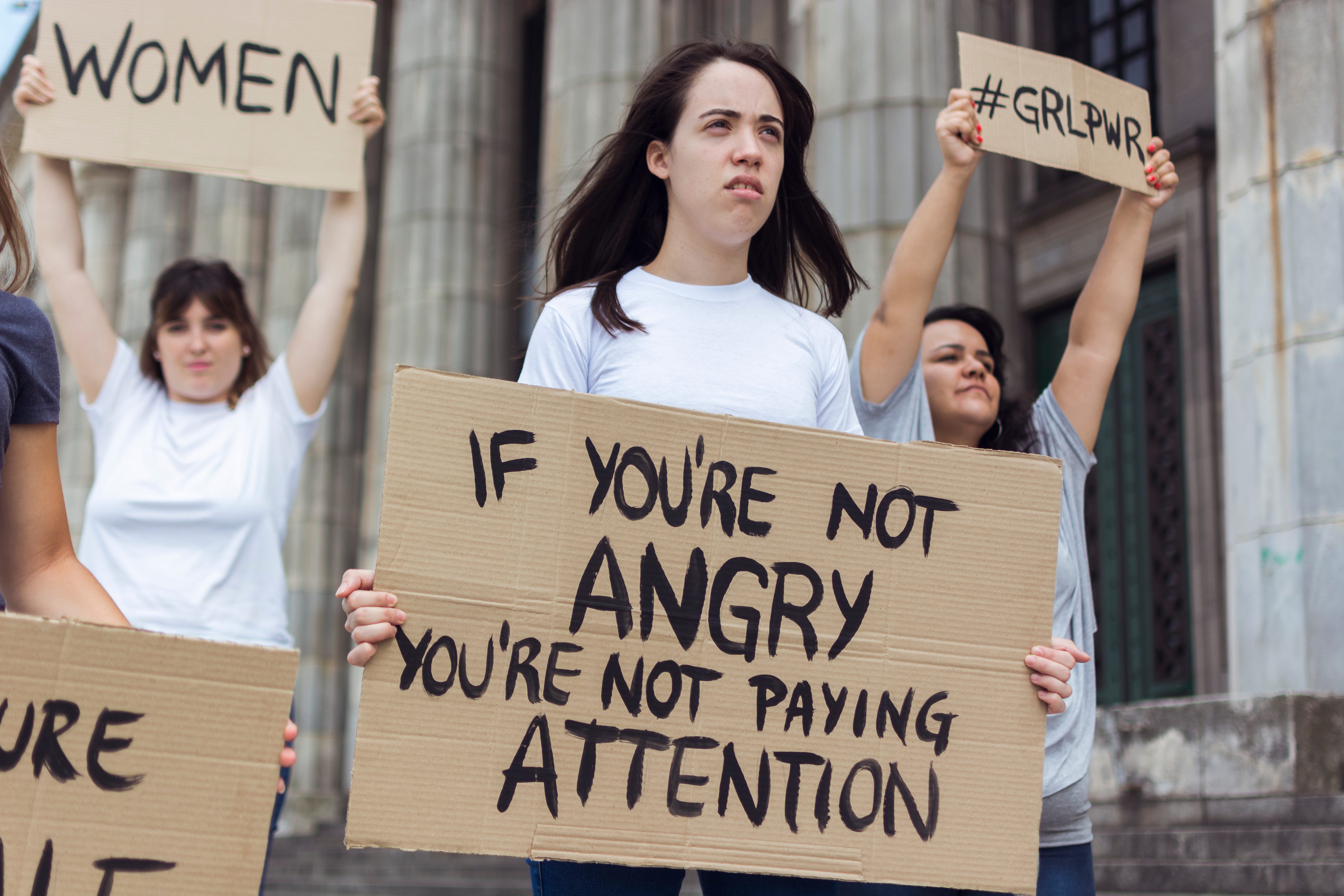
We want to live in a world where a woman can end a relationship without calculating whether doing so might cost her life.
Where a mother does not have to choose between financial survival and physical safety.
Where children do not learn fear before they learn freedom.
Where the authorities take credible threats seriously, and where justice is neither a privilege for the wealthy nor an impossible journey for the vulnerable.
We want a world where women can be ambitious, outspoken, independent, imperfect, and unapologetically themselves without their freedom becoming a reason someone believes they deserve punishment.
Is that too much to ask?
Absolutely not.
And perhaps that is what makes this crisis so infuriating.
We are not demanding an extraordinary privilege.
We are demanding the most basic condition of human existence: the right to remain alive.
So be angry. Be uncomfortable. Refuse to accept another carefully rehearsed expression of sympathy as evidence that meaningful action has been taken.
But do more than express anger.
Support local women’s shelters.
Demand accountability from elected representatives.
Challenge dangerous attitudes within your own circles.
Help strengthen the organizations protecting women and children.
Learn how to respond safely when someone discloses abuse.
And do not abandon this issue when it disappears from the front page.
Because somewhere, someone is making a decision today that could determine whether a woman lives to see tomorrow.
Our response cannot be another collective shrug.
I am so fucking sick and tired of men murdering women and children and facing zero consequences.
And we refuse to accept a future in which our greatest achievement is learning how to mourn them more eloquently.
We have spent enough time asking how many more women and children must die before something changes.
FEM POWER WILL SAVE THE WHOLE WORLD!!!
KEEP REACHING OUT!!!
KEEP FIGHTING!!!
YOU ARE VICTORIOUS!!!
Always trust your instincts-you may save a life.