
If You Are in a Toxic Relationship, Remember This: You Are Not Alone. Speak to Us. We Will Stand by Your Side Every Step of the Way Until Your Freedom Comes
Kristi’s journey from fear to freedom shows that emotional abuse is real, help is available, and 2026 can be the year to reclaim your life.
Kristi, 28, from Dearborn, Michigan, didn’t recognize the signs at first. Her boyfriend, James, was charming, attentive, and seemingly loving. On the surface, their life appeared ordinary—dinners with friends, weekend trips, and shared plans for the future. But behind closed doors, Sophie’s life had shrunk into a cycle of fear, guilt, and confusion.
It began subtly. James would joke about her career choices, belittle her accomplishments, and criticize her appearance. “At first, I laughed it off,” Kristi recalls. “I thought I was overreacting. But the comments kept coming, and I started to doubt myself.” Soon, the jokes became constant monitoring: where she went, who she talked to, what she wore. Friends and family noticed she was withdrawing, and her confidence started to erode. Sophie was caught in a pattern of psychological control, a hallmark of toxic relationships.
According to a 2024 report from the National Domestic Violence Hotline, nearly half of women in abusive relationships report subtle forms of emotional or psychological abuse before any physical violence occurs. Experts say these forms of abuse are often overlooked, leaving victims questioning their judgment and feeling trapped.
“Toxic relationships often start with charm and attention,” explains Dr. Karen Fields, a clinical psychologist specializing in domestic abuse. “Gradually, control and manipulation creep in. The abuser isolates the victim, undermines confidence, and distorts reality. By the time the victim recognizes the abuse, they are often emotionally and socially isolated.”
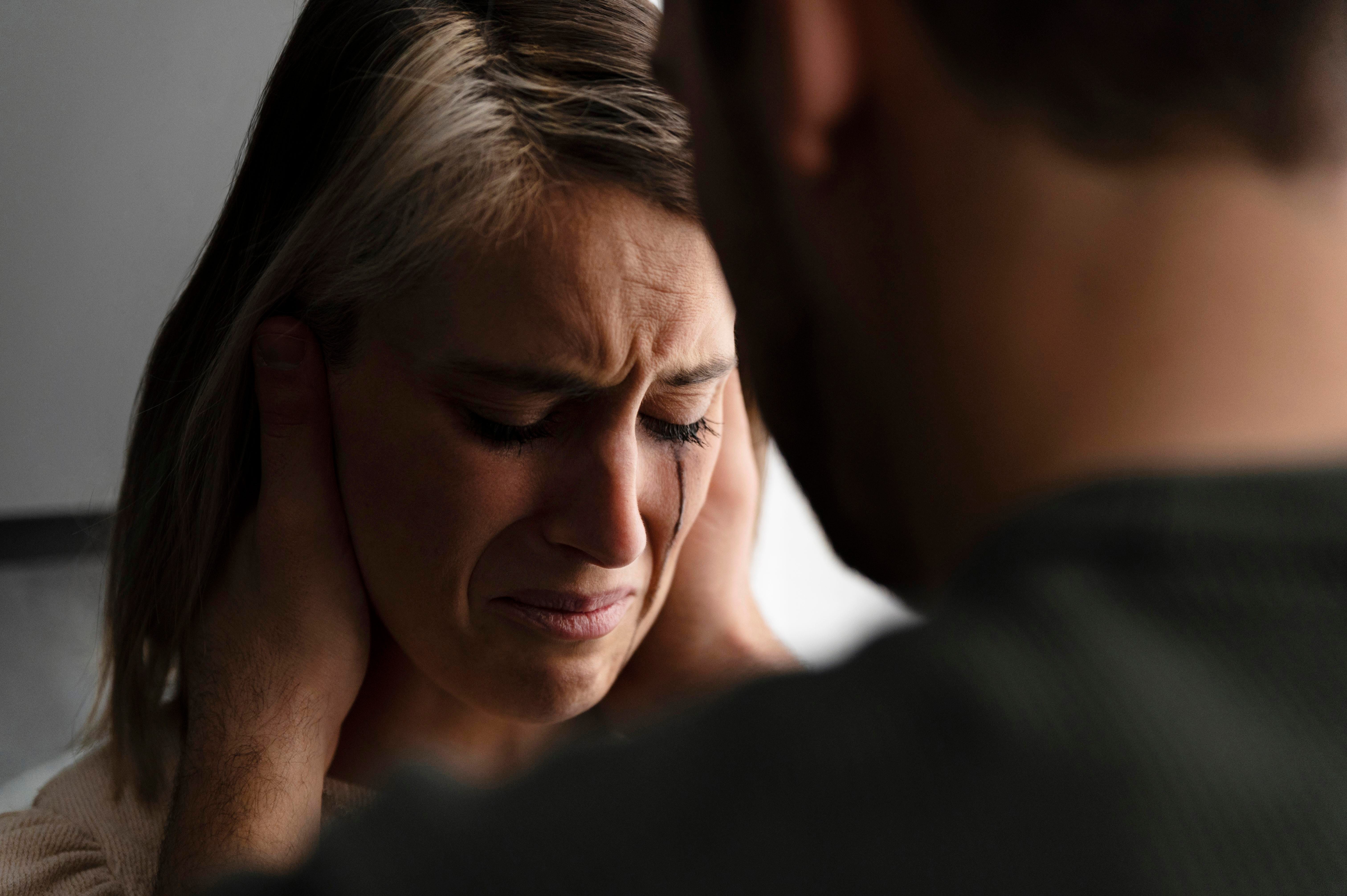
Kristi’s turning point came one night after an argument. She locked herself in the bathroom, crying, and typed a message to a women’s support hotline: “I think I’m in a toxic relationship. I don’t know what to do.” That simple act—asking for help—was the first step toward reclaiming her life.
The response she received was immediate and compassionate. Trained advocates listened without judgment. They validated her feelings and helped her understand that she was not overreacting. “It was the first time someone said, ‘You are not alone, and this is not your fault,’” Kristi said. “That conversation changed everything.”
Support systems like hotlines, counseling, and advocacy groups are critical for anyone in a toxic relationship. They provide both emotional validation and practical guidance: documenting abusive incidents, planning safe exits, rebuilding social networks, and connecting with legal or financial resources if needed.
Investigations into abusive relationships reveal a consistent pattern. Survivors rarely leave in a single dramatic moment. Escape is usually a process: recognizing the abuse, seeking support, preparing for departure, and finally taking action. It is measured in months or even years, often accompanied by setbacks and moments of doubt.
Dr. Fields emphasizes that survivors need to understand that freedom is a staged process. “It begins with awareness and emotional detachment, followed by planning and support. Victims often need to rebuild their confidence and networks before leaving safely. Small steps matter,” she said.
Kristi’s first steps toward freedom were incremental. She began documenting incidents, noting controlling behaviors and gaslighting patterns. She reconnected with friends she had drifted from, slowly regaining her social and emotional support system. She set boundaries, learning to say “NO” without guilt. By the time she left, she wasn’t running; she was choosing.
Her journey underscores a crucial point: freedom does not require a single moment of heroism. It requires preparation, support, and the belief that a life beyond fear is possible.
Experts say that many survivors struggle with guilt, shame, and fear. Fear is often the most paralyzing factor, particularly when leaving could mean financial instability, housing challenges, or the potential for retaliation. Yet research shows that with proper support and planning, victims can leave safely and rebuild their lives.
A 2023 study by the National Coalition Against Domestic Violence found that survivors who sought professional guidance were 70% more likely to leave abusive relationships safely than those who attempted to navigate on their own. This statistic highlights the importance of advocacy organizations, hotlines, and community support systems.
Kristi’s story is also a story about timing. By the time she left, she had carefully arranged her finances, secured temporary housing, and established trusted contacts she could rely on for immediate help.
“I didn’t have to figure it all out at once,” she said. “I took it step by step, and each small victory built my confidence. That’s what made leaving possible.”
For many women still locked in a similar situation, we’re at the dawn of a new year, 2026 represents an opportunity—a year to reclaim control, voice, and safety. It is not a deadline, but a symbol of possibility. It is a year to begin asking for help, to document experiences, to rebuild networks, and to create a plan for change.
Practical steps survivors can take include:
Recognize the Signs: Emotional abuse often shows up as manipulation, criticism, isolation, and control. Awareness is the first step toward action.
Reach Out for Support: Contact trained advocates, counselors, or support organizations. Speaking with someone who validates your experience can break isolation and restore clarity.
Document Incidents: Keep a private record of controlling behaviors, threats, and manipulative actions. Documentation strengthens your understanding of reality and provides evidence if needed.
Rebuild Your Network: Toxic partners often isolate their victims. Reconnecting with friends, family, and community can provide emotional and practical support.
Plan for Safety: If leaving is the goal, develop a careful plan covering finances, housing, and legal considerations. Small preparations can make a crucial difference.
Take Incremental Steps: Boundaries, support, and small actions pave the way for larger decisions. Freedom is rarely sudden—it is a series of deliberate steps.
Statistics from the Domestic Violence Resource Centers show that psychological abuse affects more than 10 million adults annually in the U.S, with emotional manipulation and isolation as the most common forms. Despite its prevalence, many survivors hesitate to seek help because society often undervalues non-physical abuse.
Kristi’s story provides hope. She now lives independently, has rebuilt her confidence, and has reestablished meaningful connections. “I never imagined I could feel this calm, this secure,” she said. “2026 is my year of freedom, and I’m finally living it on my terms.”
For any woman or yourself still trapped in fear, the message is clear: you are not alone. Freedom is possible, even if it feels impossible right now. By seeking support, taking deliberate steps, and believing in the possibility of change, 2026 can be the year you reclaim your life.
Research shows that survivors who take early action, seek help, and document abusive patterns are more likely to leave safely and rebuild. Organizations across the country and beyond stand ready to provide guidance, resources, and emotional support for those in need.
If you are in a toxic relationship, remember Kristi’s story: she didn’t need to leave immediately. She needed support, guidance, and small, deliberate steps to reclaim control. That is how freedom begins. That is how 2026 can become a year of transformation.
You are not alone. Speak to us: hello@thewomenpost.com. We will stand by your side every step of the way until your freedom comes.


We are all actually in toxic relationship because of this regime/so-called presidency.
They are protecting criminals in so many different ways.
There is a typo in your email address link