



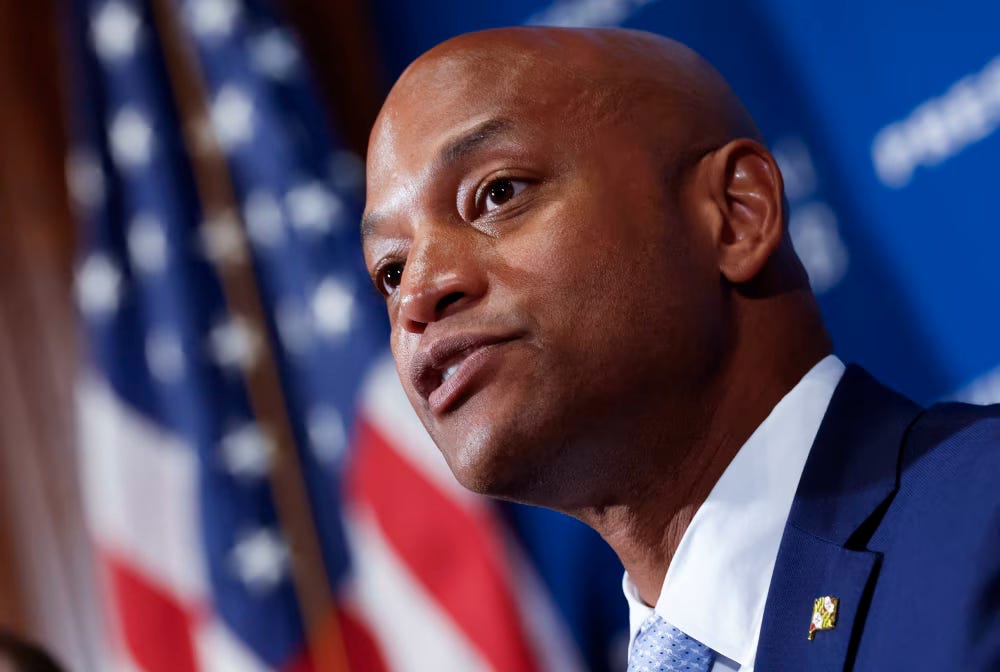
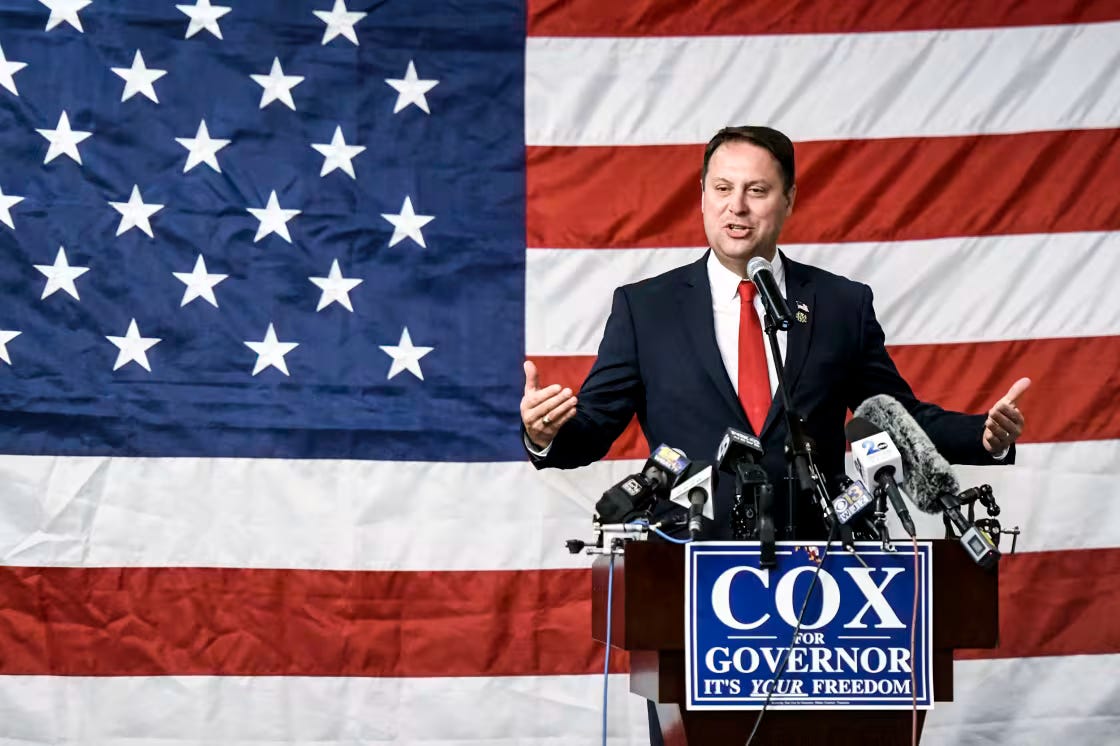
Maryland Democratic Gov. Wes Moore secured a second term Tuesday, defeating Republican Dan Cox in a rematch of their 2022 gubernatorial contest.
Moore, widely viewed as a possible contender for the Democratic presidential nomination in 2028, won another victory in the heavily Democratic state. His re-election comes four years after he made history by becoming Maryland’s first Black governor.
Throughout his first term, Moore occasionally found himself at odds with members of his own party. One of the most significant disagreements involved congressional redistricting, when Democratic legislative leaders resisted his efforts to redraw Maryland’s congressional map in a way that would eliminate the state’s only Republican-controlled seat.
Maryland voters also faced a proposed constitutional amendment Tuesday that would give state legislators the authority to redraw congressional boundaries to favor Democrats.
Moore gained national attention in early 2024 following the deadly collapse of Baltimore’s Francis Scott Key Bridge, which claimed six lives and disrupted operations at a major international port.
The bridge reconstruction became a central issue in the governor’s race, with Cox arguing that his administration could complete the project more quickly than Moore’s. Reconstruction efforts have encountered repeated setbacks, including Maryland’s decision this year to sever ties with Nebraska-based contractor Kiewit Infrastructure following disagreements over the project’s budget.
Meanwhile, Moore’s appearances in competitive states such as Michigan, Nevada and Georgia, where he campaigned alongside Democratic candidates for governor, intensified speculation about a possible presidential bid.
During an October gubernatorial debate, Moore declined to give an unequivocal commitment to serving his entire second term when questioned about his political future.
“I would not be running for re-election if I was not committed to the people of Maryland,” Moore told local political journalists.
When previously questioned about whether he intended to seek the presidency in 2028, Moore dismissed the possibility, stating, “I’m not running for president.”
Other prominent Democratic governors considered potential White House contenders, including Pennsylvania Gov. Josh Shapiro and Illinois Gov. JB Pritzker, also faced voters Tuesday.
Throughout his re-election campaign, Moore emphasized his administration’s achievements, including efforts to reduce violent crime in Baltimore, increase Maryland’s minimum wage, and address teacher shortages across the state.
He also pointed to his confrontations with President Donald Trump, particularly over federal immigration enforcement policies and tariffs imposed on imported goods.
Moore additionally faced scrutiny over questions surrounding his personal history. Earlier this year, conservative media organizations accused him of inaccurately describing aspects of his military service in a book. The governor attributed some discrepancies to the ways grief and emotional strain can affect recollection.
Similar questions emerged during his first gubernatorial campaign in 2022, when critics alleged that Moore had inaccurately portrayed elements of his childhood in his memoir, The Other Wes Moore.
Despite those controversies and political disagreements, Moore’s re-election gives him another four years to advance his agenda in Maryland while keeping him among the Democratic Party’s most closely watched figures ahead of the 2028 presidential election.