

May Theme Announcement: “MOTHERHOOD ISSUES” Signals a Shift Toward Unfiltered Reporting on Mothers’ Realities
Examining postpartum realities, burnout, teen motherhood, and the political systems shaping mothers’ lives.


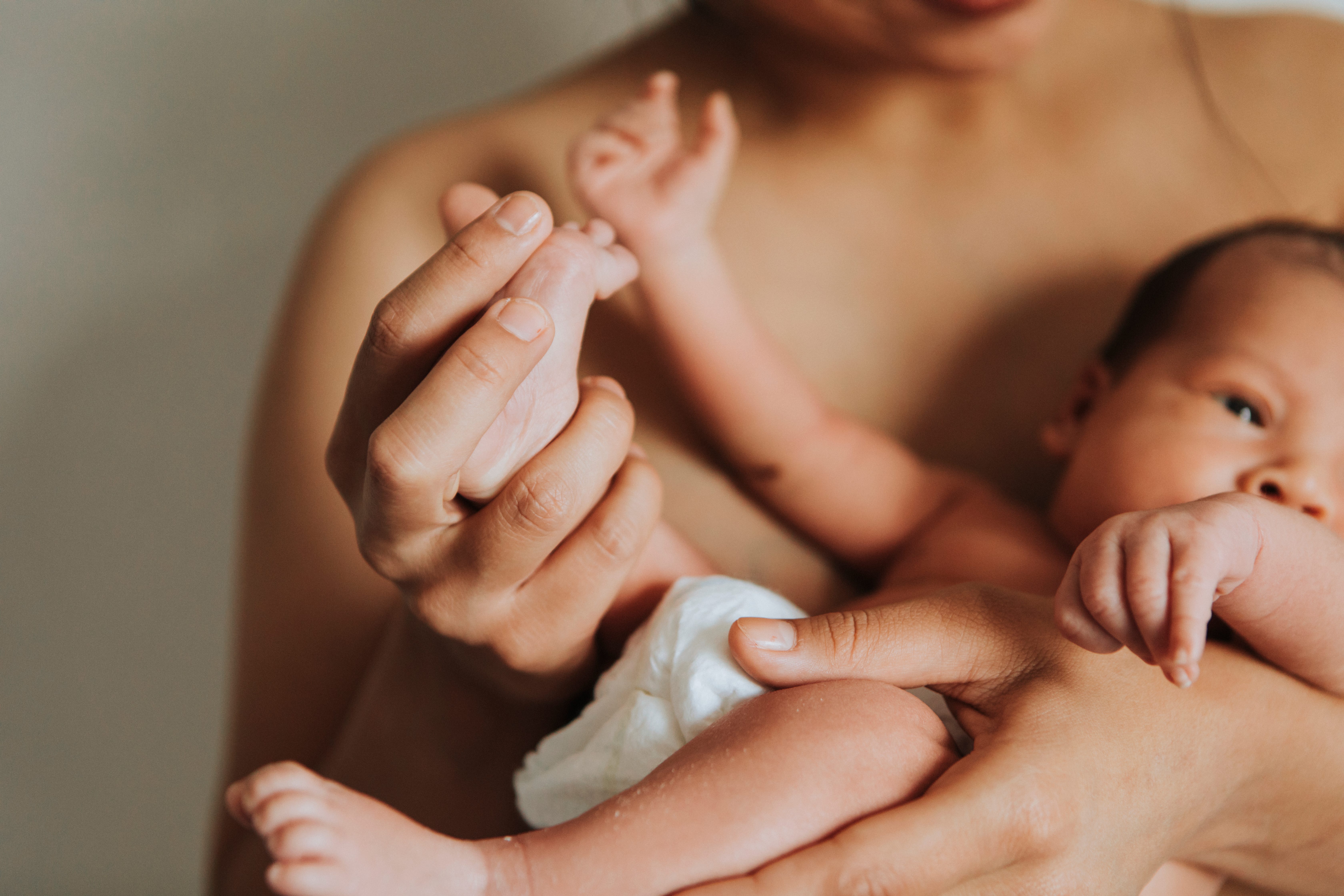
This May, The Women Post is dedicating its entire editorial focus to a subject that is often discussed, frequently politicized, and rarely examined with sustained honesty: motherhood.
Under the theme “The Motherhood Issues,” the publication will spend the month delivering a structured series of reporting and storytelling centered on postpartum realities, the burnout crisis among working mothers, the unheard voices of teen moms, and the political systems that continue to shape—and at times exploit—motherhood.
The initiative marks a clear editorial direction: moving away from symbolic or celebratory portrayals of motherhood and toward a more grounded, investigative approach that prioritizes lived experience and systemic analysis.
A Structured Editorial Approach
Rather than treating motherhood as a single narrative, The Women Post has organized the month into four distinct weekly focuses, each addressing a critical dimension of the issue.
Week 1: Postpartum Realities
The series will begin with an in-depth look at the postpartum period, a stage widely acknowledged but often insufficiently explored. Coverage will examine the physical, emotional, and psychological challenges that follow childbirth, alongside gaps in support systems and cultural expectations that discourage open discussion.
Week 2: Working Moms & The Burnout Crisis
The second week will shift to the pressures facing working mothers, with reporting focused on workplace structures, economic strain, and the broader conditions contributing to burnout. The coverage aims to reframe burnout not as an individual shortcoming, but as a systemic issue rooted in policy and institutional design.
Week 3: Teen Moms, Unheard Voices
Week three will center on teen mothers, a group frequently referenced in public discourse but seldom given a platform to share their perspectives directly. The reporting will highlight personal accounts, structural challenges, and the social narratives that continue to shape how young mothers are perceived and treated.
Week 4: The Politics of Motherhood
The final week will examine the intersection of motherhood and politics. This includes how motherhood is framed in public policy, how it is used in political messaging, and the extent to which those narratives translate into meaningful support for mothers.
Flagship Reporting and Investigations
In addition to its weekly structure, the May theme will be anchored by three major flagship pieces designed to provide broader context and deeper analysis.
“Motherhood in America, in Contrast to the Rest of the World: The Untold Stories” will offer a comparative look at how motherhood is experienced across different countries, with a focus on policy, healthcare, and social support systems.
“How Politicians Exploit Mothers”: We will examine the use of motherhood in political rhetoric, analyzing how maternal identity is leveraged in campaigns and policy debates, and what that means for actual legislative outcomes.
“The 2026 Report: Maternal Healthcare in Crisis” will present a focused assessment of the current state of maternal healthcare, addressing disparities in access, quality of care, and outcomes.
Together, these pieces are intended to move beyond anecdotal storytelling and provide a clearer picture of the systems influencing motherhood today.
A Response to Persistent Gaps in Coverage
The decision to dedicate a full month to “Motherhood Issues” comes amid ongoing gaps in how motherhood is covered in the media and addressed in policy discussions.


While motherhood is frequently referenced in cultural and political contexts, sustained reporting on the structural challenges mothers face remains limited. Issues such as postpartum health, workplace inequality, and healthcare access are often addressed in isolation, rather than as interconnected components of a broader system.
By consolidating these topics into a single, focused editorial theme, The Women Post aims to create continuity in coverage and maintain attention on issues that are often fragmented or overlooked.
Reframing the Narrative
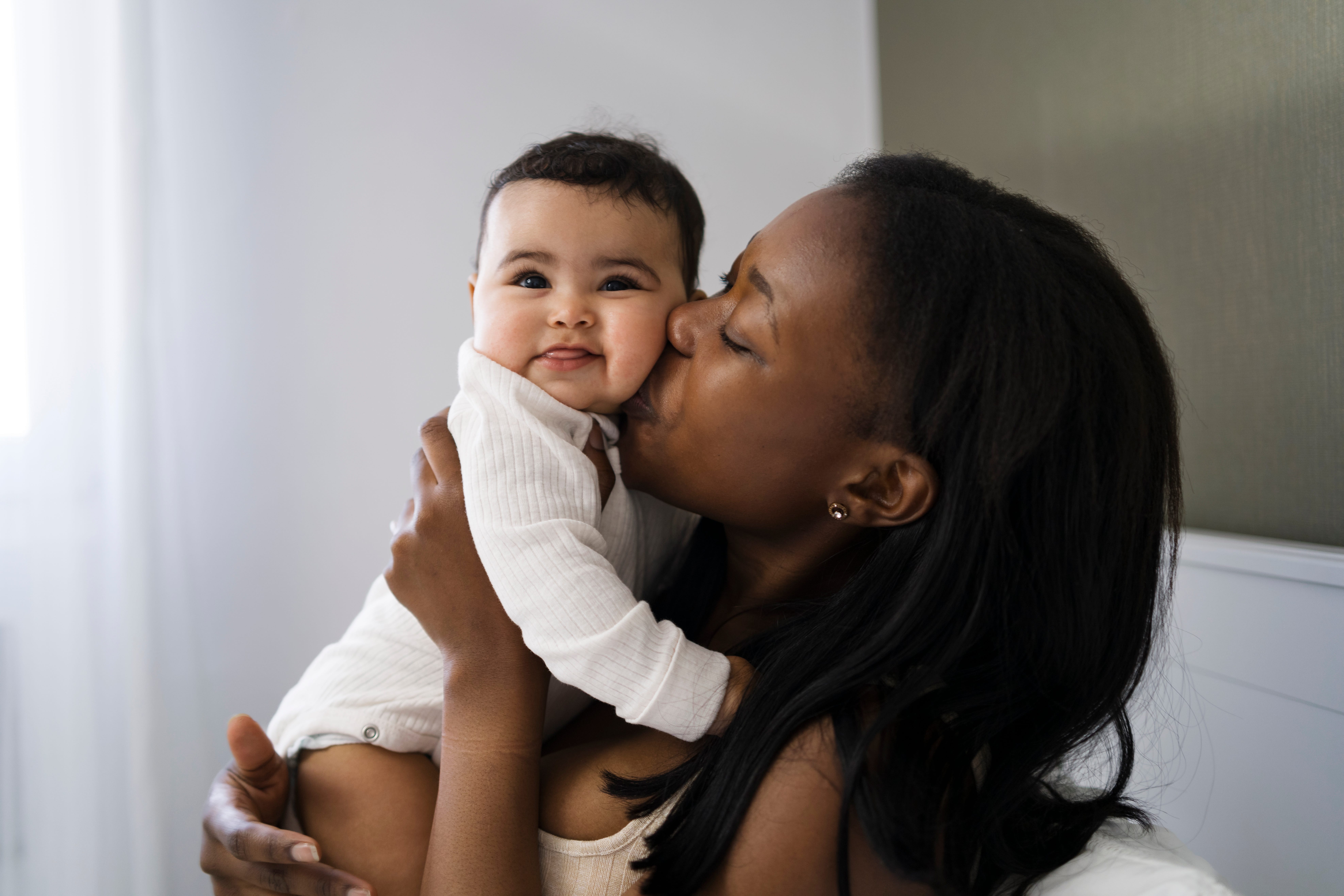
A central goal of the May theme is to shift how motherhood is framed in public discourse.
Rather than presenting motherhood as a uniform or idealized experience, the series will emphasize its complexity. This includes acknowledging both its personal significance and the external pressures that shape it.
The reporting will explore how cultural expectations, economic conditions, and political decisions intersect to influence the realities mothers face. It will also examine how certain narratives—particularly those that prioritize resilience without addressing underlying challenges—can obscure the need for structural change.
Centering Lived Experience
While the theme includes policy analysis and investigative reporting, a significant portion of the coverage will focus on firsthand accounts.
By incorporating the perspectives of mothers across different backgrounds, races, and circumstances, The Women Post aims to ensure that the conversation reflects a range of experiences rather than a single dominant narrative.


This includes mothers navigating postpartum recovery, balancing work and caregiving, entering parenthood at a young age, or interacting with healthcare and policy systems that may not fully support them.
An Open Invitation
As part of the May rollout, The Women Post is also extending an open invitation to readers—particularly mothers—to engage with the series.
The publication is encouraging subscriptions as a way for readers to follow the full scope of the reporting and to participate in an ongoing conversation that will unfold throughout the month.
The intent, according to the editorial direction, is not only to present information but to create a space where the realities of motherhood can be discussed more openly and consistently.
Looking Ahead

“Motherhood Issues” represents a focused effort to examine motherhood through a wider lens—one that includes personal experience, systemic challenges, and political context.
By structuring the month around specific themes and supporting them with in-depth reporting, The Women Post is positioning May as a period of sustained attention on issues that often receive only intermittent coverage.
The outcome of this approach will depend not only on the reporting itself, but also on the level of engagement it generates. If successful, it may signal a broader shift in how motherhood is covered—moving from symbolic acknowledgment to continuous, substantive examination.
For now, the objective is clear: to document, analyze, and bring greater visibility to the realities shaping motherhood today.
As a guest, you can follow the full series throughout May by subscribing to The Women Post and joining the conversation as it develops.
Before You Click Away!
This month’s reporting is part of a wider commitment to independent journalism on motherhood, healthcare, and the political systems shaping women’s lives.
If you are still a subscriber, we are offering you a 40% discount on our annual plan for a limited time to support this month’s theme. Upgrading helps sustain in-depth reporting like this.