
Middle East Wakes to New Waves of Strikes as Conflict Widens
Gulf cities are rocked by explosions as Hezbollah joins the fray, raising fears of a regional escalation and humanitarian crisis.
The Middle East woke Monday to an intensifying storm of violence, with explosions rattling major cities and new fronts opening in a conflict that shows no signs of slowing. The region is now facing a dangerous escalation, as Iran-backed Hezbollah joins the fray, threatening to pull multiple nations deeper into confrontation.
Explosions in Major Cities: Residents in Gulf states reported a night of terror, with sounds of explosions piercing the early hours. Teams from The Women Post in Dubai, Abu Dhabi, and Doha confirmed blasts across major urban centers. In Doha, a Women Post photojournalist captured footage of what appeared to be missiles being intercepted midair. In Dubai, reporters documented “two back-to-back blasts,” jets roaring overhead, and interceptor fire lighting up the sky. The chaos disrupted daily life, rattling residents and raising fears that the conflict is spilling further into civilian areas.
Kuwait: The violence reached Kuwait with alarming intensity. A fighter jet reportedly crashed near a U.S. air base, and footage geolocated by The Women Post shows a pilot parachuting safely to the ground. Early Monday, air defenses intercepted “hostile drones” approaching via maritime routes, according to state media. Falling shrapnel damaged a major oil refinery, threatening critical energy infrastructure. Witnesses also reported seeing smoke rising near the U.S. embassy, highlighting the growing danger to foreign personnel and civilians alike.
Bahrain: Tensions escalated in Bahrain as sirens blared across the nation, signaling potential attacks. The Ministry of Interior confirmed the alerts, emphasizing vigilance in response to a threat that has now reached nearly every corner of the Gulf.
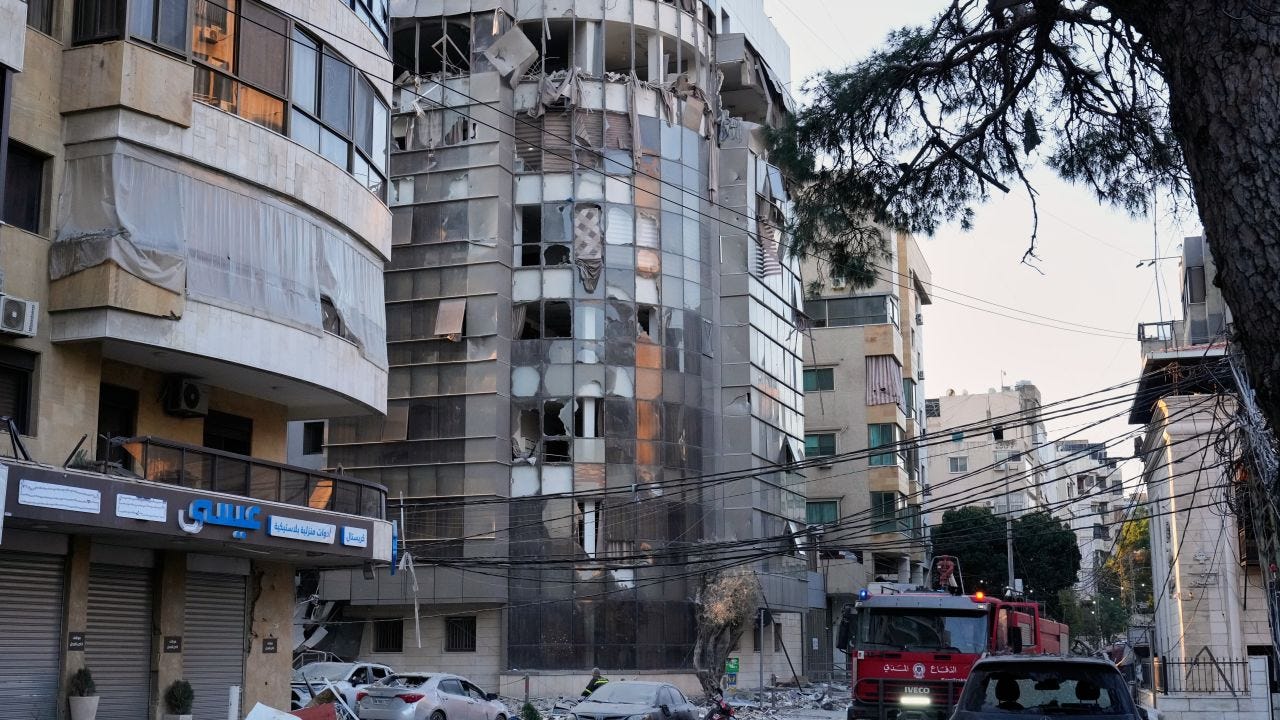
Lebanon: Northern and southern Lebanon became a battleground overnight. The Israeli military launched strikes in Beirut and surrounding areas, targeting “senior Hezbollah terrorists,” according to official statements. Authorities ordered evacuations across 52 southern settlements, a stark reminder of the conflict’s potential to displace thousands. Video geolocated by The Women Post shows a building’s top floor in Ghobeiry, southern Beirut, engulfed in flames, illustrating the direct toll on urban infrastructure and civilian life.

Israel: In response, Israel faced a fresh barrage of Iranian missiles, as well as continued attacks from Hezbollah. The militant group claimed it launched “missiles and a swarm of drones” at an Israeli army base south of Haifa in retaliation for the killing of Iran’s supreme leader. Israeli military forces intercepted some of the projectiles, while others landed in open areas. Analysts warn that the pattern of escalation risks pulling neighboring countries further into active combat.
Iran: Overnight explosions also shook Tehran and other major Iranian cities. Hospitals were not spared: patients in northern Tehran were evacuated after strikes heavily damaged a medical facility. The targeting of civilian infrastructure underscores the increasingly volatile and indiscriminate nature of the conflict, raising alarms among humanitarian organizations monitoring the region.
Cyprus: The ripple effects of the conflict reached the eastern Mediterranean, where the U.K. Ministry of Defence responded to a suspected drone strike at a British military base on Cyprus. The attack signals the widening reach of the violence, potentially threatening the stability of allied forces operating in the region.
The region now faces a precarious crossroads. With Iran-backed Hezbollah openly engaging in strikes and Israel responding with targeted assaults, the possibility of a multi-front war looms. Civilian populations across the Gulf are living in fear as governments scramble to respond to threats from air, sea, and potentially ground operations. Experts warn that if this conflict continues to escalate, the humanitarian consequences could be catastrophic, with the potential for mass displacement, widespread infrastructure damage, and long-term regional instability.
The Women Post will continue monitoring the situation, reporting on new developments, and highlighting the human stories behind the headlines as the Middle East navigates one of its most dangerous periods in recent memory.


