

The Countries Protecting Mothers — And the Ones Still Failing Them
While Nordic Nations Give Mothers Time to Heal, Recover, and Keep Their Jobs, the So-Called Richest Country on Earth Still Forces Millions of Women to Choose Between Childbirth and Financial Survival.



For many women, childbirth is not the end of physical recovery.
It is the beginning of it.
Weeks or months after giving birth, many mothers are still bleeding. Many are surviving on almost no sleep. Some are recovering from emergency C-sections that leave them barely able to stand comfortably. Others are battling postpartum depression, anxiety, infections, breastfeeding complications, or overwhelming emotional exhaustion while trying to care for a newborn around the clock.
But alongside the physical recovery comes something else that millions of women carry in silence:
Fear.
Fear of losing income.
Fear of losing healthcare.
Fear of falling behind professionally.
Fear of being replaced at work while still recovering from birth.
Fear that motherhood itself could permanently damage a career they spent years building.
And for many women — especially in the United States and developing countries — those fears are not irrational.
They are real.
Our investigation into maternity leave systems across wealthy nations reveals a stark divide between countries that treat motherhood as essential labor deserving protection and countries that continue to leave women carrying the burden alone.
Nowhere is that divide more visible than between Nordic nations like Sweden, Norway, and Finland — countries that built systems designed to protect mothers medically, financially, and professionally — and America, where millions of women are still expected to recover from childbirth while worrying about how quickly they can return to work.
The contrast exposes more than policy differences.
It exposes fundamentally different beliefs about what mothers deserve.
In Sweden, Parenthood Is Protected by Law
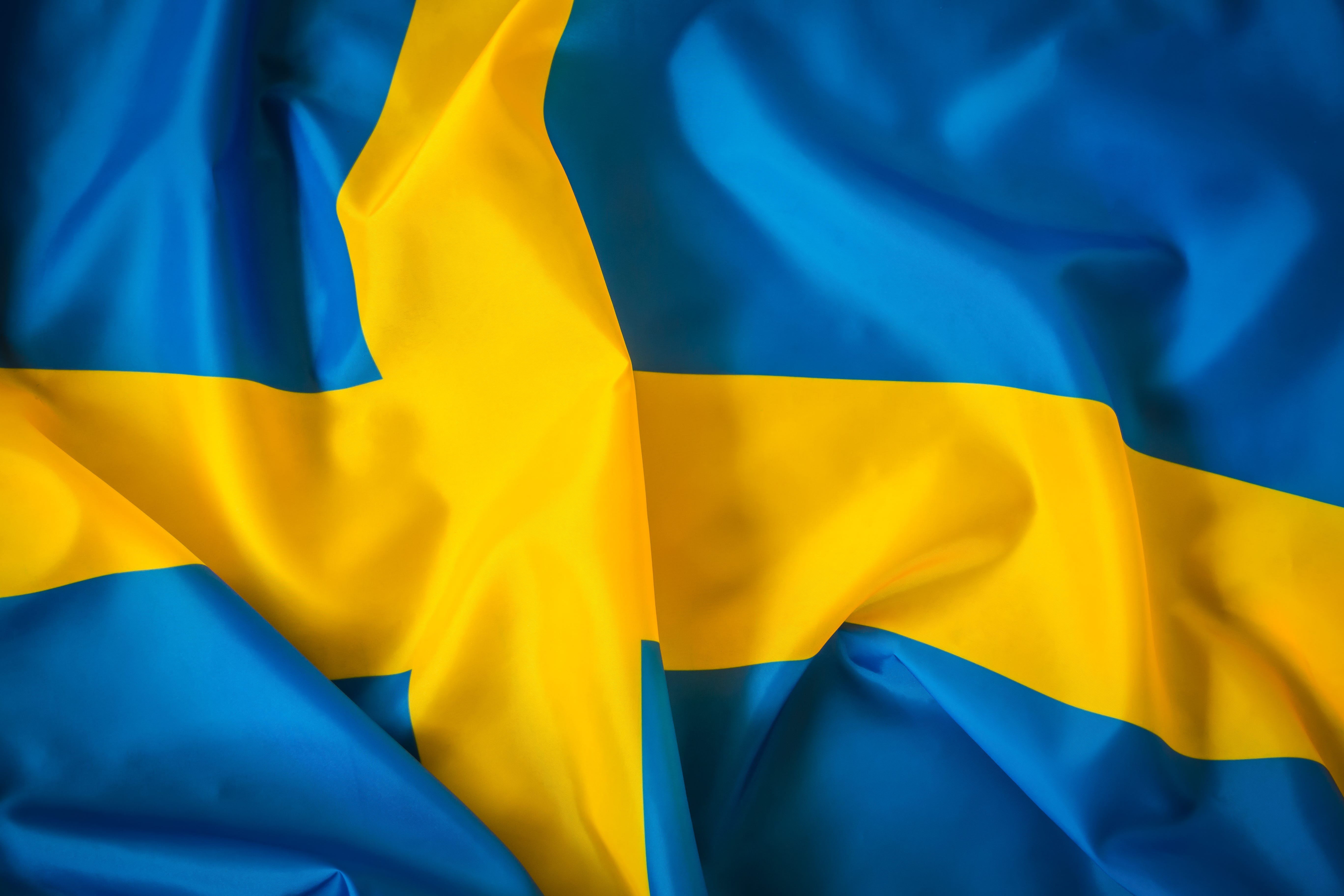
In Sweden, parents are entitled to 480 days of paid parental leave per child, one of the most generous systems anywhere in the world.
What makes the Swedish model particularly significant is how those days are structured.
Each parent receives 240 days, and 90 days are reserved exclusively for each parent and cannot be transferred. The policy was designed intentionally to push fathers to participate in caregiving responsibilities rather than leaving the burden entirely on mothers.
About 390 days are compensated at roughly 80% of a parent’s salary, while the remaining days are paid at a flat rate.
The leave can also be used flexibly over time, allowing families to stagger leave for years rather than forcing women into rushed returns to work while still recovering physically or emotionally.
But the support does not stop with leave itself.
Swedish mothers also receive extensive postpartum healthcare support that often includes:
Nurse home visits
Lactation counseling
Mental health screenings
Pediatric follow-ups
And subsidized childcare once parents return to work.
The system acknowledges a reality many countries still refuse to fully confront:
Recovery after childbirth can take months.
Researchers across Scandinavia have repeatedly emphasized that postpartum care should not end when mothers leave the hospital. Physical healing, hormonal changes, emotional stress, and sleep deprivation can continue long after childbirth itself.
That broader understanding shapes workplace culture too.
In Sweden, many mothers are not constantly terrified that taking time to recover will destroy their careers because employment protections are deeply embedded in the system.
That changes motherhood itself.
“Because when women are not consumed by financial panic, they are more able to heal physically, stabilize emotionally, and bond with their children.”
Norway Built a System Designed to Reduce Fear
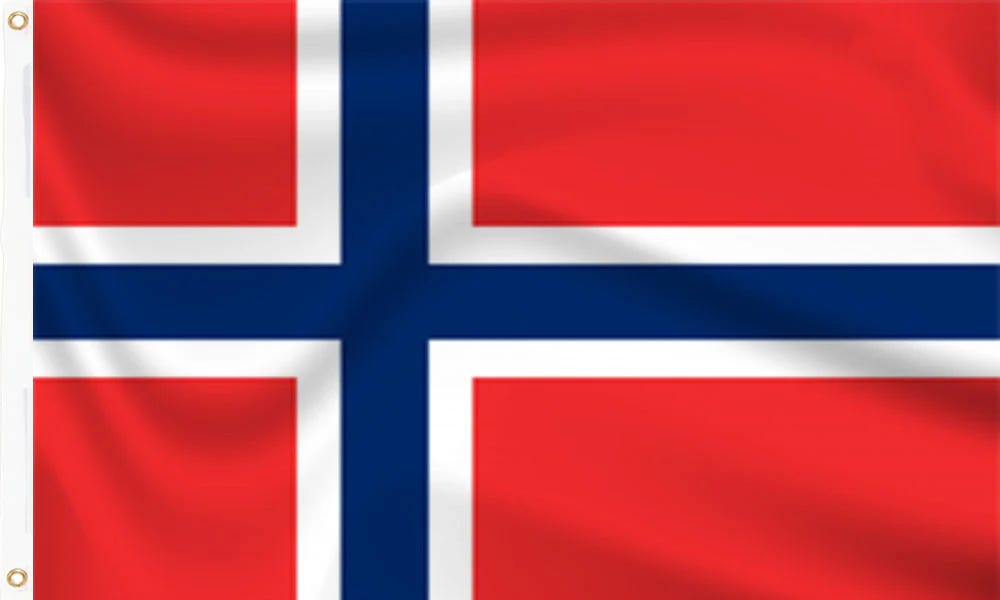
In Norway, family policy is built around the idea that caregiving is not an obstacle to productivity — it is part of a healthy society.
Parents can choose between different leave structures depending on their financial needs. Norwegian law also guarantees mothers at least six weeks of leave immediately after birth, specifically for physical recovery.
The country combines generous parental leave with:
Universal healthcare,
Subsidized childcare,
Guaranteed job protections,
And workplace flexibility that allows parents to remain connected to the workforce long-term.
But perhaps the most important difference is psychological.
In Norway, motherhood is not widely viewed as professional abandonment.
It is viewed as normal human life.
That distinction matters enormously because one of the greatest hidden pressures many women face after childbirth is fear.
Women often describe checking work emails while breastfeeding, apologizing for maternity leave, or feeling pressured to “prove commitment” to employers shortly after giving birth.
Nordic countries spent decades building systems specifically designed to reduce that fear.
Recent reporting from The Guardian noted that Norway continues to maintain some of the world’s strongest family-centered policies despite national debates about declining birth rates. Experts interviewed stressed that strong parental protections remain critical for both social and economic stability.
For mothers, the practical effects are enormous.
They are less likely to:
Rush back to work while physically injured.
Lose jobs after pregnancy.
Face catastrophic childcare costs.
Or navigate postpartum recovery entirely alone.
Finland Understands That Burnout Begins Early
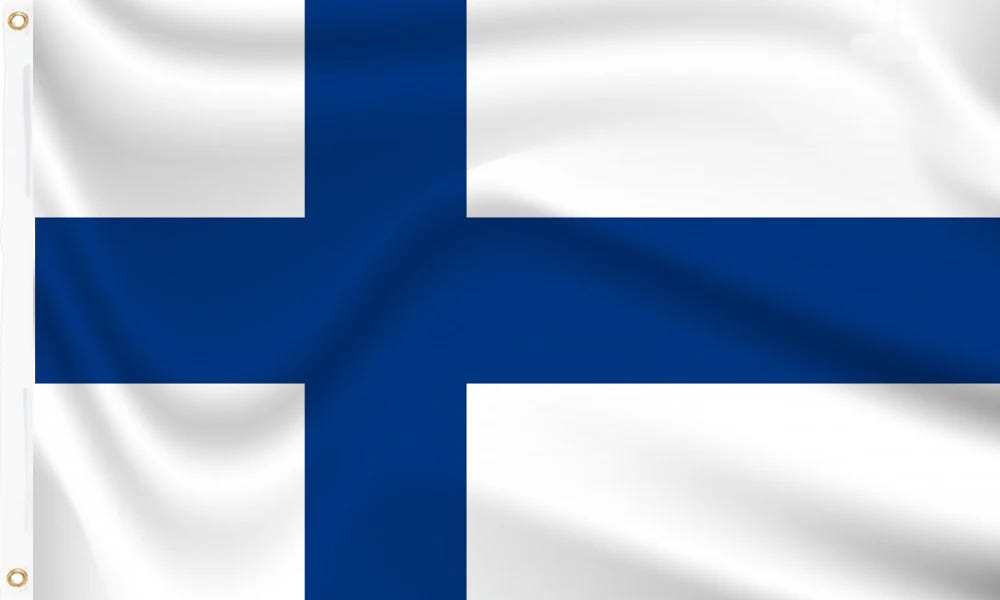
In Finland, policymakers increasingly recognize that maternal burnout often begins in the earliest weeks after childbirth when women are physically depleted yet expected to carry overwhelming caregiving responsibilities.
Finland recently restructured its parental leave system to create more equal caregiving responsibilities between mothers and fathers.
Parents now receive 320 working days of parental leave, with 160 days reserved for each parent. Parents can transfer up to 63 days to one another, but the structure is intentionally designed to encourage fathers to take active caregiving roles.
Johanna Lammi-Taskula, a senior researcher at Finland’s National Institute for Health and Welfare, argued that fathers are far more likely to participate in childcare when leave is specifically reserved for them.
“If fathers were given their own quota that could not be passed on to the mothers, fathers would certainly use it,” she explained. “Not using it would represent a loss for their children and families.”
That philosophy matters profoundly for mothers recovering after birth.
Because one of the most overlooked realities of postpartum recovery is that exhaustion itself can become dangerous.
Sleep deprivation, emotional overload, isolation, and constant caregiving pressure can intensify anxiety and postpartum depression.
Finland’s approach attempts to reduce those pressures before they become destructive.
And unlike systems in which mothers feel abandoned after childbirth, Finland’s model acknowledges that caregiving is work that deserves collective support.
America Continues Pushing Mothers to the Edge

Among wealthy nations, the United States stands almost alone in refusing to guarantee paid maternity leave at the federal level.
This is the country that calls itself the richest nation on Earth.
The most powerful nation on Earth.
The global symbol of prosperity and opportunity.
Yet millions of American mothers are forced to return to work while still physically recovering from childbirth because they cannot afford not to.
In the so-called greatest country in the world, women are expected to heal from major physical trauma while worrying about rent, healthcare bills, lost wages, and whether their employer will quietly replace them while they are gone.
Some mothers return to work within days or weeks of giving birth — not because doctors say they are ready, but because unpaid leave is financially impossible. Others are pushed out of the workforce entirely because childcare costs consume huge portions of their income, while workplace protections remain weak and inconsistent.
The burden falls hardest on low-income women, hourly workers, single mothers, and women employed in industries where maternity protections are minimal or nonexistent.
International comparisons repeatedly place the United States near the bottom among industrialized nations when it comes to parental leave protections.
And critics increasingly argue that this is not merely a policy failure.
It is a moral failure.
Because while Nordic countries treat caregiving as socially valuable labor worthy of protection, the United States system often treats motherhood like a private inconvenience that women are expected to solve on their own.
The psychological damage begins long before childbirth itself.
Many women experience intense anxiety during pregnancy because they know becoming a mother could destabilize their careers, destroy financial security, or force impossible choices between recovery and survival.
That fear shapes whether women have children, when they have them, how long they remain in the workforce, and whether they can recover safely after birth without spiraling into financial crisis.
For a nation that constantly celebrates “family values,” the United States has built one of the least supportive systems for mothers anywhere in the developed world.
The Damage Goes Beyond Money

Weak maternity protections affect far more than household finances.
They affect mental health.
Relationships.
Career trajectories.
Family stability.
And how women experience motherhood itself.
Many mothers describe feeling invisible after childbirth — celebrated during pregnancy but abandoned once the baby arrives.
In countries with stronger maternity systems, postpartum care is treated as part of healthcare itself.
In America, many women are left navigating recovery almost entirely on their own while trying to maintain employment and financial survival simultaneously.
The emotional consequences can be devastating.
Postpartum depression affects millions of women globally, while chronic sleep deprivation can severely impact emotional regulation, physical healing, and mental well-being.
Yet American workplace culture often rewards women for returning to work quickly, treating rapid recovery as strength rather than survival under pressure.
Experts say that mindset can deepen long-term harm.
The Nordic Model Is About More Than Paid Leave

What makes Nordic systems effective is not simply the number of paid weeks they offer.
It is the ecosystem surrounding mothers.
These countries combine:
Paid parental leave.
Universal healthcare.
Postpartum support.
Subsidized childcare.
Labor protections.
And workplace cultures that normalize caregiving.
Together, those systems dramatically reduce the fear many mothers experience after childbirth.
Women are less likely to panic about losing jobs.
Less likely to face crushing medical debt.
Less likely to carry caregiving responsibilities entirely alone.
Less likely to feel punished economically for becoming mothers.
That stability creates long-term benefits not only for women, but for society itself.
Women remain connected to the workforce.
Families experience less financial trauma.
Children receive more stable early care.
And maternal health outcomes improve significantly.
A Country Reveals Its Values by How It Treats Mothers
Politicians often speak about “family values.”
But maternity policy reveals whether countries truly believe mothers deserve protection — or whether motherhood is simply expected sacrifice.
The Nordic countries have built systems acknowledging something many governments still refuse to confront:
Women are not machines.
Recovery after childbirth takes time.
Healing takes time.
Mental adjustment takes time.
Bonding takes time.
And no mother should spend the first months of her child’s life terrified that recovery itself could cost her livelihood.
Countries like Sweden, Norway, and Finland are proving that protecting mothers is not economically reckless.
It is humane.
Meanwhile, America continues asking women to carry one of society’s greatest responsibilities with some of the weakest protections in the developed world.
And for millions of mothers, the damage is no longer invisible.