The State of Abortion: 3 Years, 9 Months, and 16 Days After Roe v. Wade Was Overturned.
No one expected abortion rates to rise. Or pills to get easier to access. In this article, we talk to four women about leading the resistance, what the future holds, and how to manage fear.
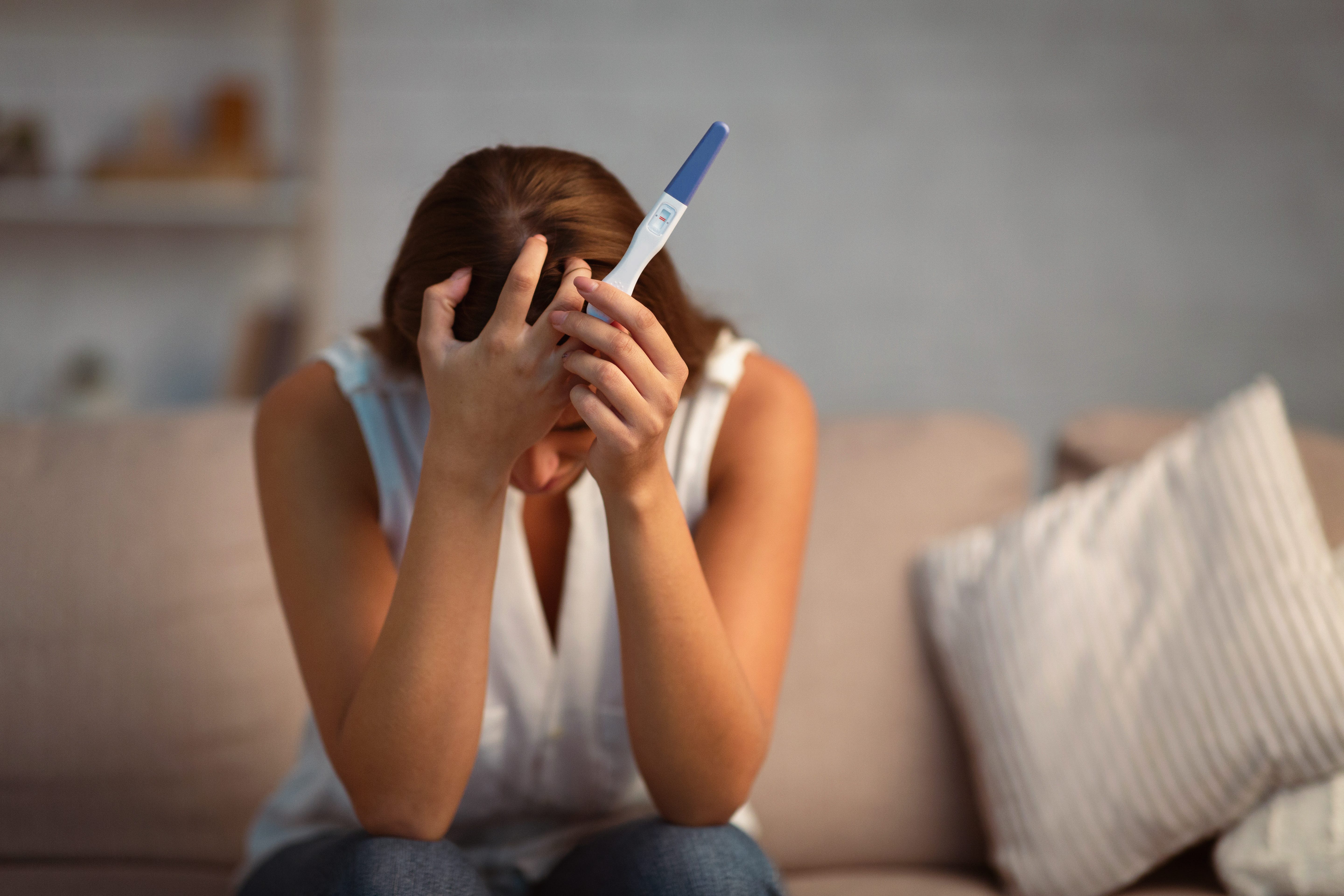
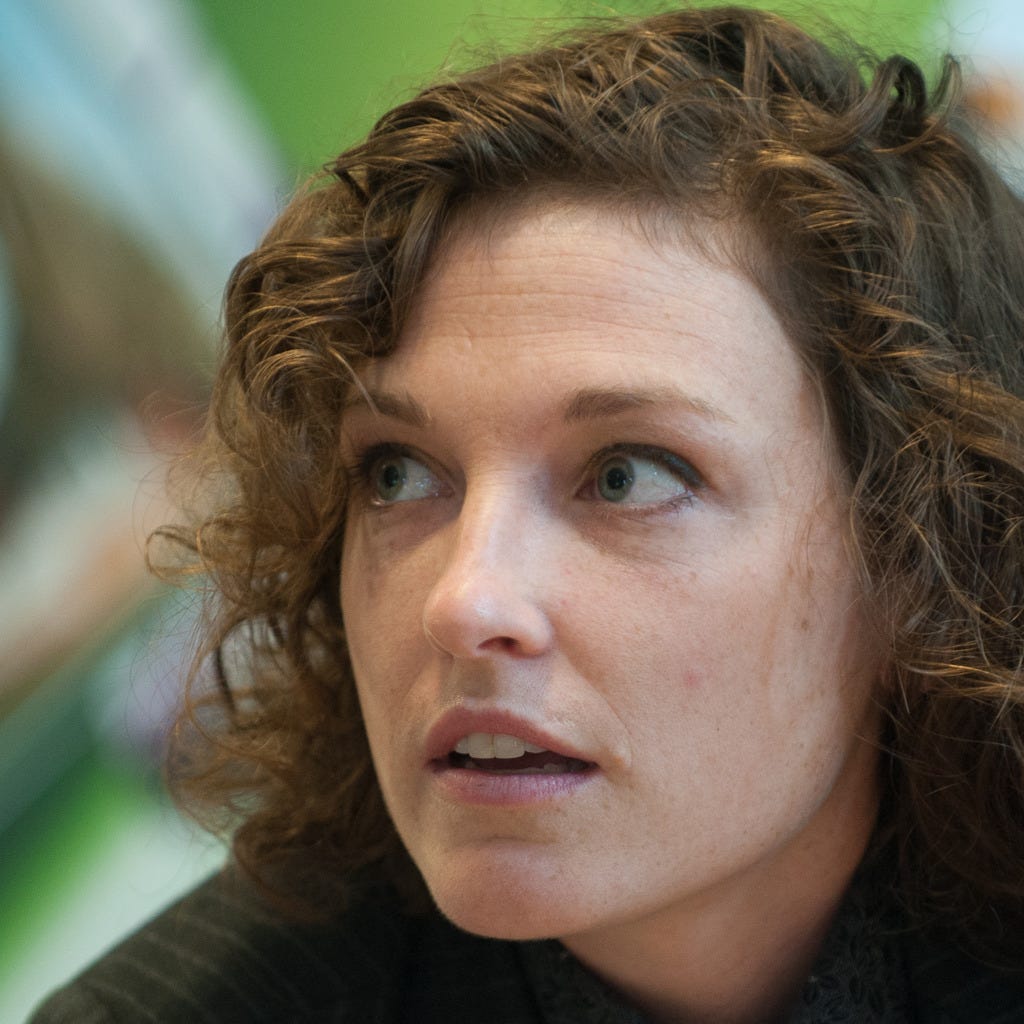
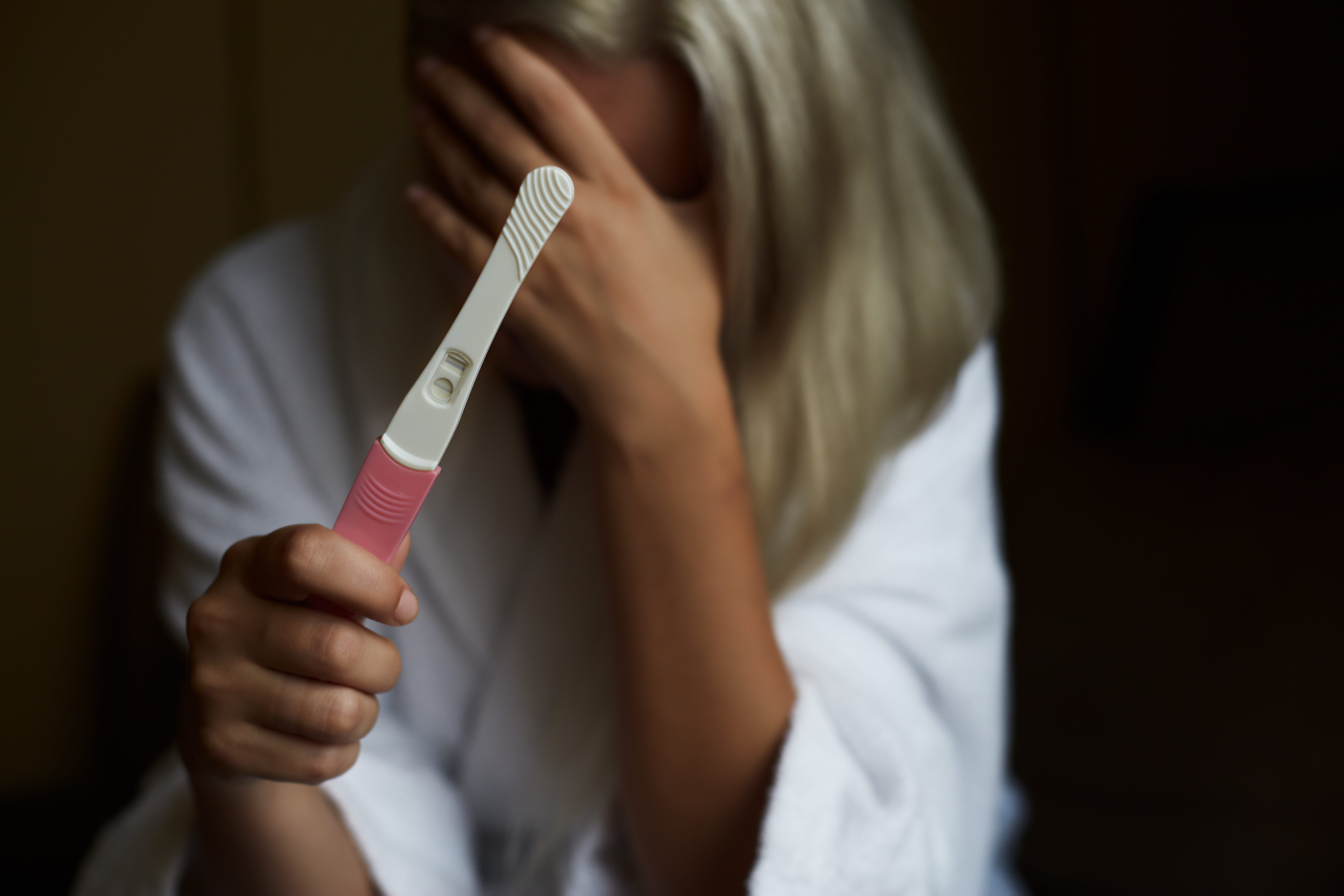
Nataliya Pixson is weighing her abortion options. Credit: The Women Post Images.
When Roe v. Wade was overturned, many expected abortion access in the United States to collapse entirely. The narrative was simple, almost inevitable: stricter laws would mean fewer abortions. Clinics would close. Fear would spread. Women would be left with fewer choices—and fewer voices.
But that’s not exactly what happened.
In the nearly four years since the Supreme Court dismantled federal protections for abortion rights, the landscape has shifted in ways politicians and pundits predicted. Abortion rates have not disappeared. In some places, they have even risen. Medication abortion—once a quieter alternative—has become the front line of access. And across the country, a decentralized, determined resistance has taken shape, led largely by women who refuse to accept a rollback of their autonomy.
“This is not a story of defeat. It is a story of adaptation, defiance, and the quiet, relentless work of those who continue to fight.”
In this article, we speak to four women leading that resistance. Their experiences reveal not only what has changed, but what comes next.
For Julie Foster, a reproductive health organizer in the Midwest, the day Roe v. Wade was overturned felt like a gut punch—but not the end.
“We grieved,” she says. “But we didn’t stop. We shifted.”
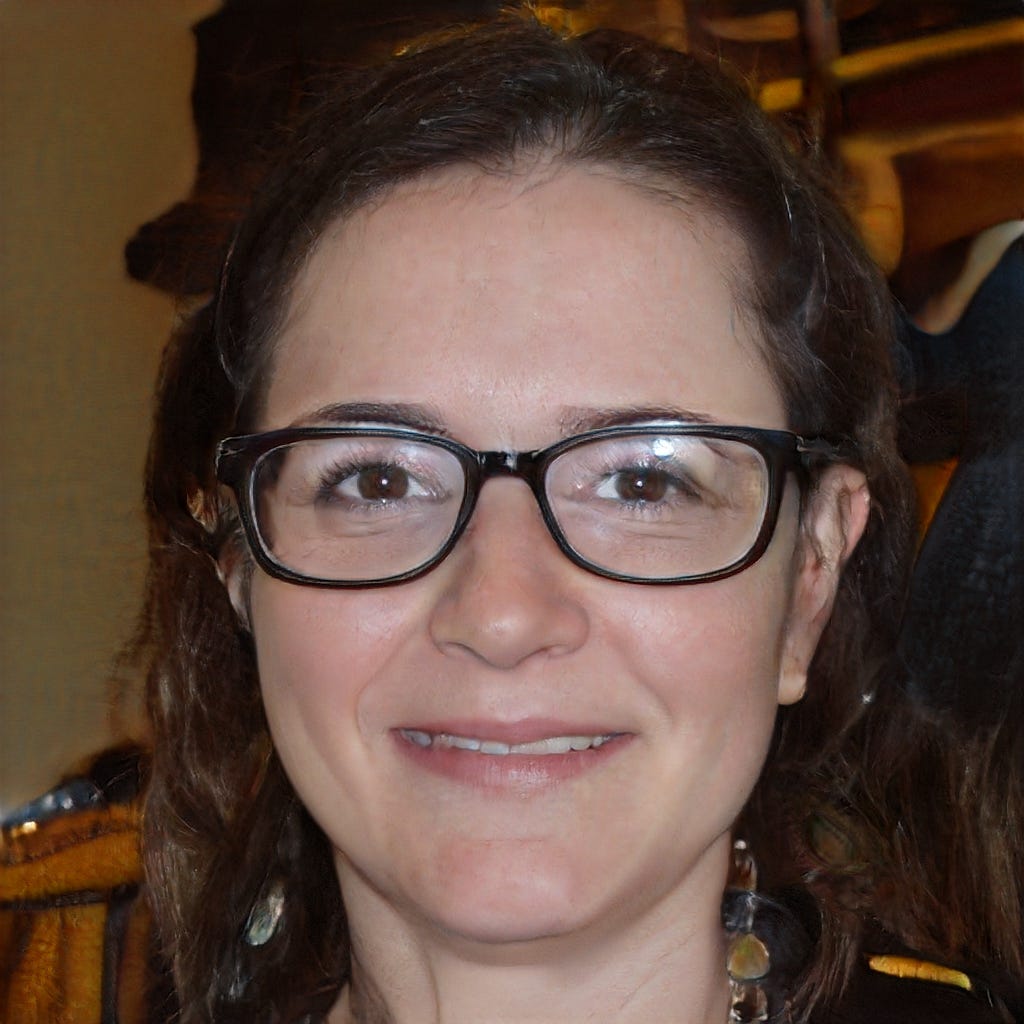
(Credit: Maya Foster.)
In states like Texas, where abortion bans took effect almost immediately, organizers like Julie had to rethink everything. Physical clinics became harder to access, but networks of support expanded. Volunteers began coordinating travel across state lines. Funds were redirected to cover not just procedures, but transportation, lodging, and childcare.
“We realized quickly that access isn’t just about legality,” Julie explains. “It’s about logistics. And logistics can be rebuilt.”
Her work now focuses on helping women navigate a fragmented system—one where the distance between a patient and a provider can stretch across multiple states.
“It’s exhausting,” she admits. “But it’s also proof that people won’t just accept losing control over their bodies.”
If there is one force that has reshaped abortion access more than any other, it is medication abortion.
For Alina Dawson, a telehealth provider working with patients in restricted states, the shift has been dramatic.
“Three years ago, many people didn’t even know this was an option,” she says. “Now, it’s the first thing they ask about.”
Abortion pills—typically a combination of mifepristone and misoprostol—have become both a lifeline and a battleground. Despite legal challenges and political pressure, access has expanded through telemedicine, international providers, and discreet delivery systems.
“It’s not perfect,” Alina says. “There are risks, especially in states trying to criminalize it. But it has changed the equation.”
Patients who once relied solely on clinics now have alternatives that are harder to regulate and easier to distribute. And that shift has made one thing clear: restricting access is no longer as straightforward as it once seemed.
“The system is more resilient than people thought,” she adds. “Because women are more resourceful than people expected.”
Thanks for reading The Women Post! This post is public, so feel free to share it.
For Jasmine Coaleman, a college student in the South, the post-Roe reality is defined by uncertainty.
“There’s always this question in the back of your mind,” she says. “What happens if something goes wrong?”
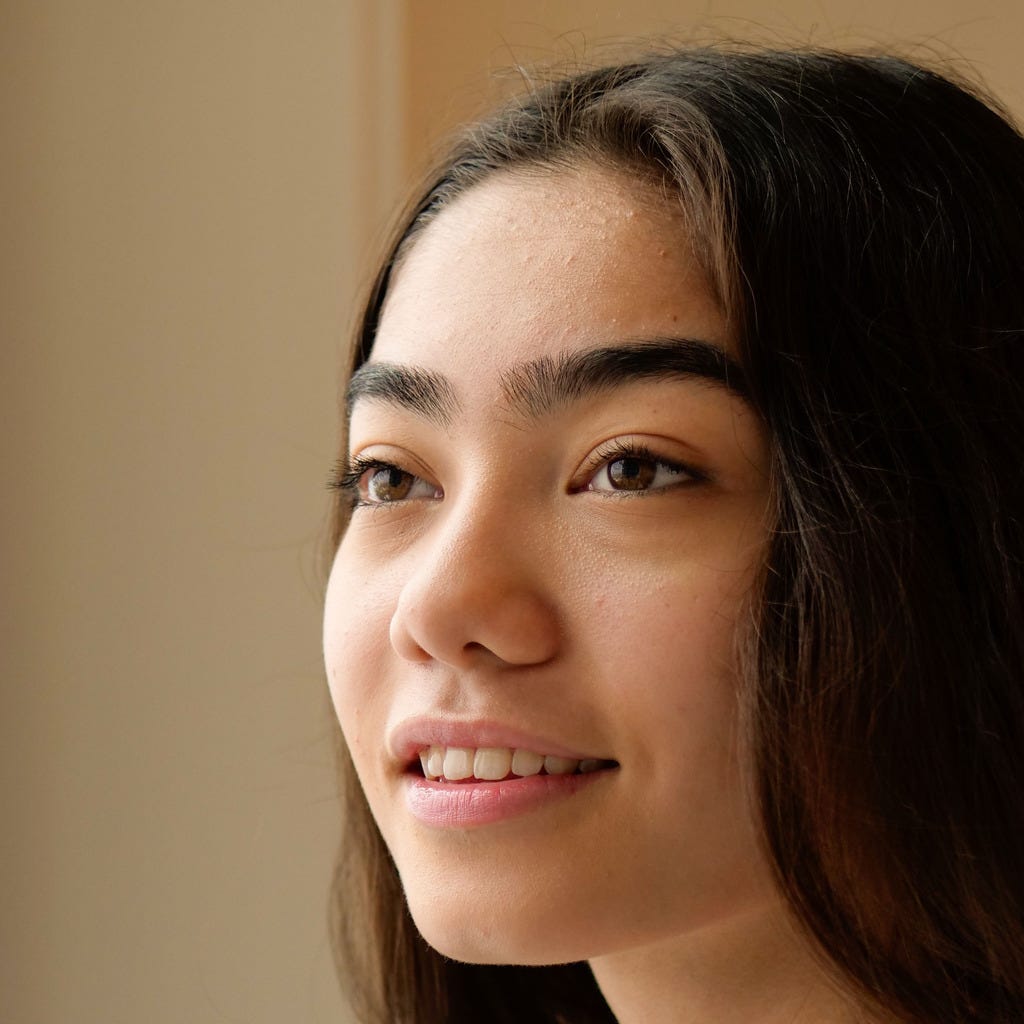
( Credit: Jasmine Coaleman.)
In her state, abortion is heavily restricted. Conversations about reproductive health are often quiet, cautious, and coded.
“People are scared,” she says. “Not just of the laws, but of being judged, reported, or misunderstood.”
And yet, Jasmine is part of a growing number of young women refusing to stay silent. Through student groups and online communities, she helps share information—what’s legal, what’s not, and where to turn for help.
“Fear is real,” she says. “But so is anger. And sometimes, anger pushes you forward.”
Her generation, she believes, is redefining what resistance looks like—not always through protests, but through information-sharing, mutual aid, and digital organizing.
“We’re not waiting for permission,” she says. “We’re figuring it out ourselves.”
For Dr. Elena Ruiz, a physician who has worked in reproductive healthcare for over a decade, the future is uncertain—but not hopeless.
“The biggest mistake people make is thinking this is settled,” she says. “It’s not. We are in the middle of a long fight.”
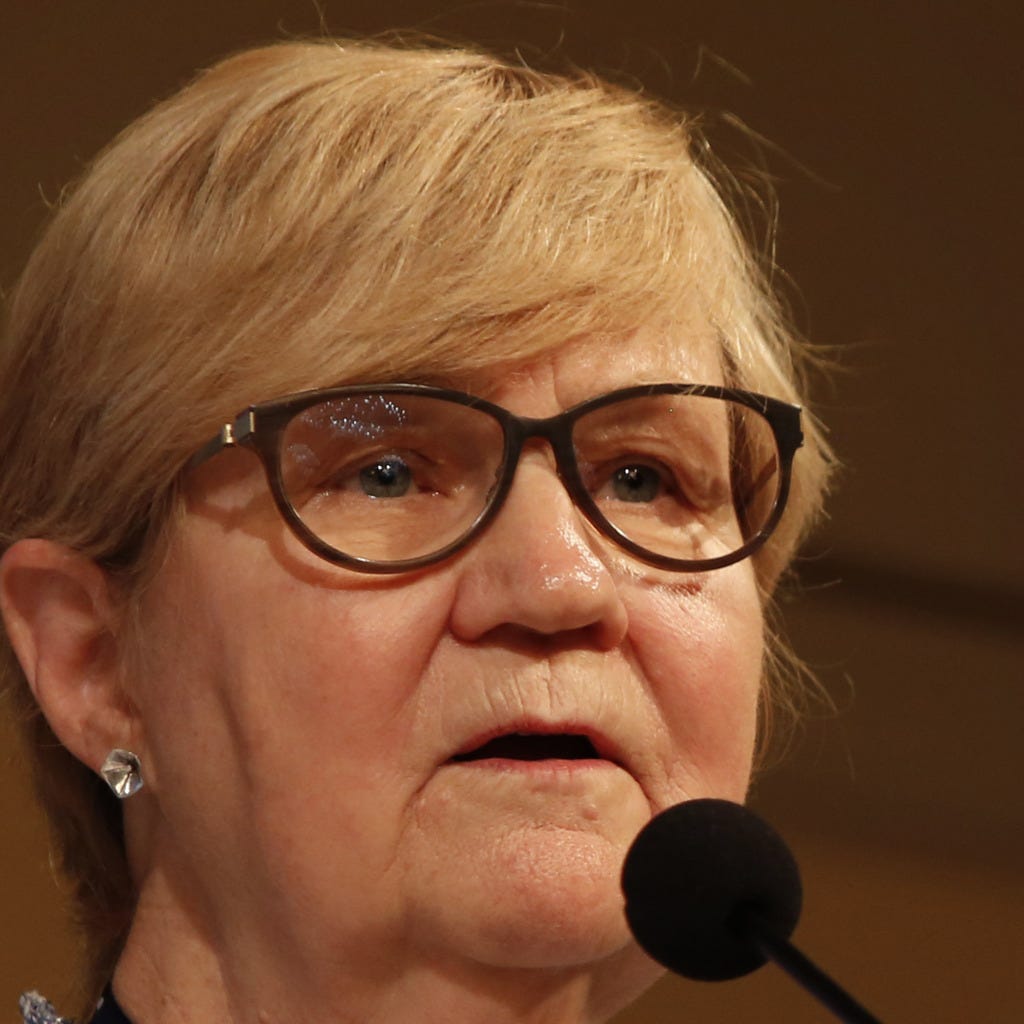
( Credit: Dr. Elena Ruiz. )
She points to ongoing legal battles, shifting state policies, and the growing role of technology as factors that will shape the next phase of abortion access.
“There will be more restrictions in some places,” she says. “But there will also be more innovation.”
Already, organizations are exploring new ways to deliver care, protect patients’ privacy, and expand access across borders. At the same time, political pressure continues to mount, with reproductive rights becoming a defining issue in elections at every level.
“This isn’t just about healthcare,” Dr. Ruiz says. “It’s about power—who has it, and who gets to make decisions about their own lives.”
Three years, nine months, and sixteen days after Roe v. Wade was overturned, the reality is more complex than anyone predicted.
Abortion did not disappear. It adapted.
Access did not vanish. It fragmented—and in some ways, expanded.
And the women at the center of it all did not retreat. They reorganized, reimagined, and refused to be erased.
The story of abortion in America today is not one of a single law or a single ruling. It is a story of millions of individual decisions, made quietly, often under pressure, and sometimes in fear.
But it is also a story of resilience.
Because even in a landscape shaped by restriction, women are still finding ways to choose.
And that, more than anything, may define what comes next.