The State of Women in America: An Investigative Report on Power, Policy, and the Systematic Erosion of Women’s Rights
What Court Rulings, Labor Data, and Healthcare Outcomes Reveal About Women’s Declining Security

The condition of women in the United States is often framed as a debate over culture, ideology, or values. But an examination of policy outcomes, economic data, healthcare access, and legal enforcement reveals something far more concrete: women are experiencing a measurable decline in safety, autonomy, and economic stability—and the institutions tasked with protecting them are failing to respond at scale.
This is not a matter of perception. It was made obvious throughout last year, visible in court records, labor statistics, hospital reports, and state legislation. The state of women in America can be traced through numbers, outcomes, and consequences—and the evidence points to a country moving backward.
Start the new year on a high note with news free from corporate bias and billionaire control. Starting now, you can get 40% off an annual subscription. The offer is valid through New Year’s Second Day - so upgrade right now.
Economic Pressure: The Hidden Collapse Behind Employment Numbers
Headline employment data suggests women are participating in the workforce at historic levels. But beneath that surface lies a more troubling reality.
Women dominate low-wage sectors that have failed to keep pace with inflation: caregiving, education, retail, hospitality, and healthcare support roles. These jobs are not peripheral to the economy—they are foundational. Yet wages in these sectors have stagnated while housing, food, and childcare costs have surged.

Single mothers are among the most economically vulnerable groups in the country. Many work full-time and still qualify for food stamps. Others are forced to choose between childcare and employment because affordable options simply do not exist. Federal childcare subsidies remain limited, and state-level support varies widely, creating geographic inequality that traps women in cycles of financial instability.
The wage gap persists not because of individual career choices, but because women’s labor continues to be structurally undervalued. Women are more likely to be penalized for caregiving gaps, less likely to be promoted into leadership, and more likely to absorb unpaid labor at home. These factors compound over time, resulting in lower lifetime earnings and reduced retirement security.
This economic strain is not incidental. It is the outcome of decades of policy decisions that treated caregiving as a personal responsibility rather than a public good.
Reproductive Healthcare: Access Denied, Outcomes Worsened
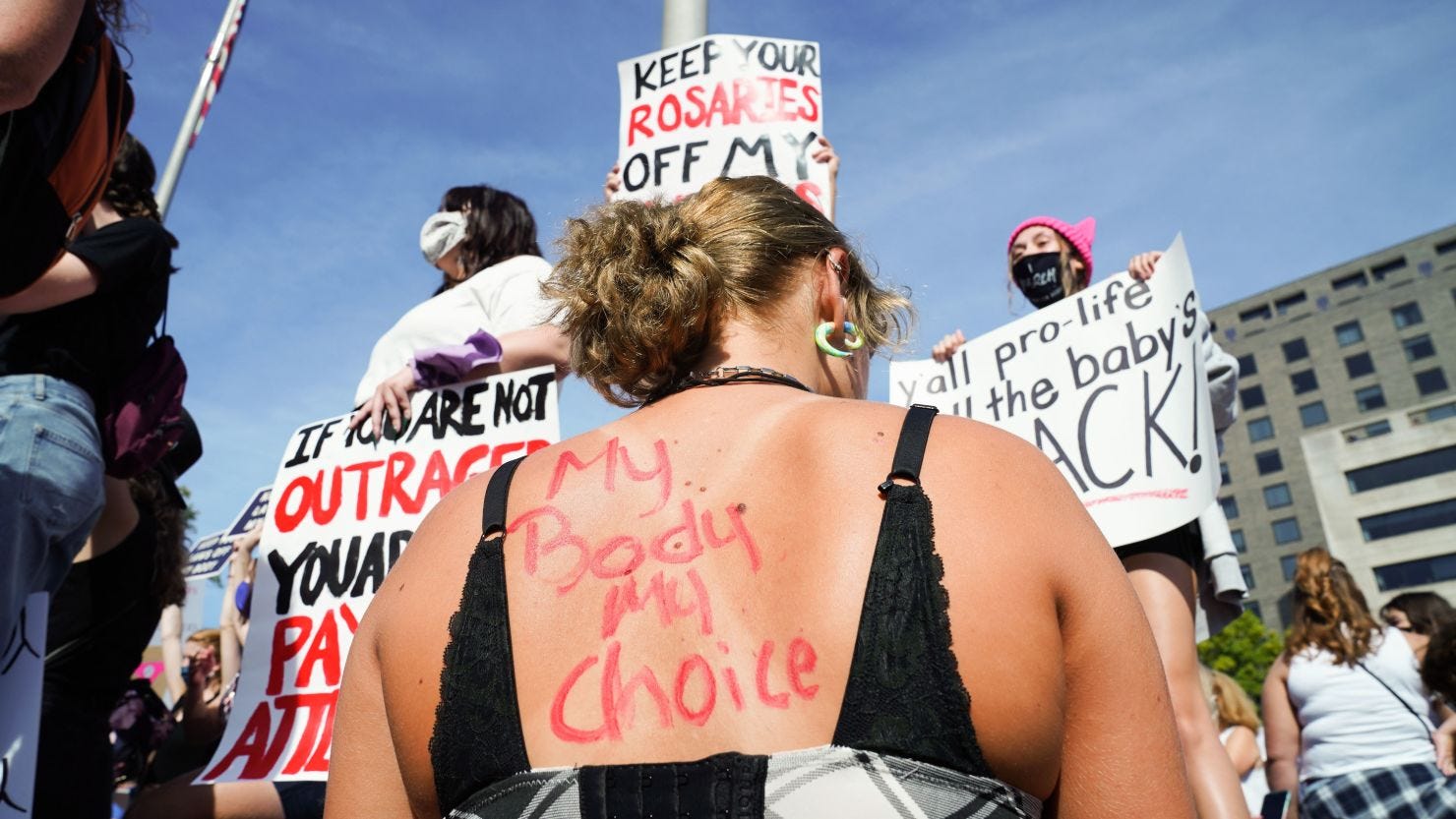
Since the dismantling of federal abortion protections, reproductive healthcare access has become dependent on state lines. Investigations into hospital practices in restrictive states show delays in care for miscarriages, refusals to perform medically necessary procedures, and physicians operating under fear of prosecution.
Women experiencing pregnancy complications report being sent home until their condition worsens enough to qualify for treatment under narrow legal exceptions. Medical professionals confirm that ambiguity in the law has led to defensive medicine—care delayed not for medical reasons, but legal ones.
The impact is not limited to abortion services. States with the most restrictive reproductive laws also report higher maternal mortality rates and poorer prenatal care access. Black women are disproportionately affected, with mortality rates significantly higher than white women regardless of income or education.
Despite this, many of the same states enforcing reproductive restrictions have failed to expand Medicaid, invest in maternal health programs, or guarantee paid family leave. The result is a system that mandates childbirth without ensuring survival or stability.
“This is not theoretical harm. It is documented, ongoing, and preventable.”
Start the new year on a high note with news free from corporate bias and billionaire control. Starting now, you can get 40% off an annual subscription. The offer is valid through New Year’s Second Day - so upgrade right now.
Violence Against Women: A Crisis Treated as Background Noise

Data on domestic violence, dating violence, sexual assault, and stalking reveal a persistent national emergency. Law enforcement records, shelter capacity reports, and court filings show that women seeking protection frequently encounter institutional barriers.
Protective orders are unevenly enforced. Survivors report being dismissed by police, discouraged from filing reports, or blamed for their abuse. Family courts routinely grant custody or visitation rights to alleged abusers, prioritising parental access over survivor safety.
Funding for survivor services remains inconsistent and insufficient. Shelters report turning women away due to a lack of space. Legal aid organizations are overwhelmed. Rural areas, in particular, face severe service shortages.
Online harassment has added a new dimension to this violence. Women journalists, activists, and political candidates face coordinated campaigns of threats designed to silence them. These attacks often escalate without meaningful intervention from platforms or law enforcement.
“The cumulative effect is deterrence. Women are less likely to report abuse, seek public roles, or challenge power when the cost is constant threat exposure.”
Political Representation: Progress Met With Retaliation
While more women have entered politics, representation remains far from proportional. Women hold a minority of elected offices nationwide, and the barriers to entry are well-documented:
Fundraising disparities.
Mainstream media scrutiny.
And disproportionate harassment.
Investigations into campaign financing show women candidates often receive less institutional support and are held to higher standards of electability. Those who do win office face heightened threats, including death threats that frequently go unprosecuted.
Some women lawmakers report altering their public behavior, limiting town halls, or stepping away from leadership roles to protect their families and themselves. Others choose not to seek reelection, citing safety concerns rather than lack of political will.
“This attrition is not accidental. It is the predictable outcome of a political environment that punishes women for visibility.”
Start the new year on a high note with news free from corporate bias and billionaire control. Starting now, you can get 40% off an annual subscription. The offer is valid through New Year’s Second Day - so upgrade right now.
Education, Censorship, and Control
The state of women in America is also reflected in what is being removed from classrooms and libraries.
Books addressing gender, race, reproductive health, and women’s history are increasingly targeted for bans. Sex education programs are being dismantled or restricted, even as teen pregnancy and sexual violence rates remain concerns.
These policies disproportionately affect girls, who are denied accurate information about their bodies, rights, and health. Researchers warn that reduced access to education correlates with poorer health outcomes and increased vulnerability to exploitation.
At the same time, teachers—most of whom are women—are facing burnout, low pay, and political pressure that undermines their professional autonomy.
The result is a system that limits knowledge while demanding compliance.
The Legal Landscape: Rights Without Enforcement
Many protections for women exist in theory, but they often fail in practice.
Workplace discrimination laws are unevenly enforced. Sexual harassment cases often end in confidential settlements that protect institutions rather than victims. Family leave policies remain optional rather than guaranteed, leaving millions of women without job protection during pregnancy or caregiving.
Voting access laws have also had a disproportionate impact on women, particularly women of color, who are more likely to face documentation barriers, limited polling access, and purged voter rolls.
“Rights that cannot be exercised consistently are not rights—they are suggestions.”
Who Bears the Cost

Across every metric—health, income, safety, representation—the burden falls heaviest on women who are already marginalized: women of color, low-income women, disabled women, immigrant women, and LGBTQ+ women, single mothers.
Intersectional disparities are not incidental; they are the predictable outcome of policies that ignore lived realities in favor of ideology.
Resistance and Accountability
Despite systemic failures, women continue to organize. Mutual aid networks have filled gaps left by the state. Independent media platforms led by women and men allies are documenting stories ignored by mainstream outlets. Grassroots organizers are building power at local levels, where change remains possible.
Young women are registering to vote at higher rates and running for office earlier. Survivors are reshaping conversations about justice beyond punishment toward prevention and support.
“But resistance should not be mistaken for resilience alone. Women are not obligated to endure systems that harm them.”
The Findings Are Clear
The state of women in America is not the result of one policy or one election. It is the cumulative effect of decisions that deprioritized care, autonomy, and safety in favor of control and austerity.
This investigation finds that women are:
Working more while earning less
Being denied essential healthcare
Facing unchecked violence
Underrepresented and discouraged from power
Asked to compensate for systemic neglect
The question is no longer whether these conditions exist. The evidence is overwhelming.
The question is whether America will confront what those conditions say about its priorities—and whether it is willing to change them this year.
Because how America treats its women is not a side story.
It is the story.
Start the new year on a high note with news free from corporate bias and billionaire control. Starting now, you can get 40% off an annual subscription. The offer is valid through New Year’s Second Day - so upgrade right now.


https://wrybanter.substack.com/p/one-flew-over-the-us-supreme-court?r=1wsqoo
