

The U.S. Murdered 168 Schoolgirls and 14 Teachers in Iran. The West Is Trying to Argue It Was Accidental.
It's confirmed that the United States carried out the strike that destroyed a girls’ school—but instead of accountability, Western media outlets are searching for language to soften the horror.


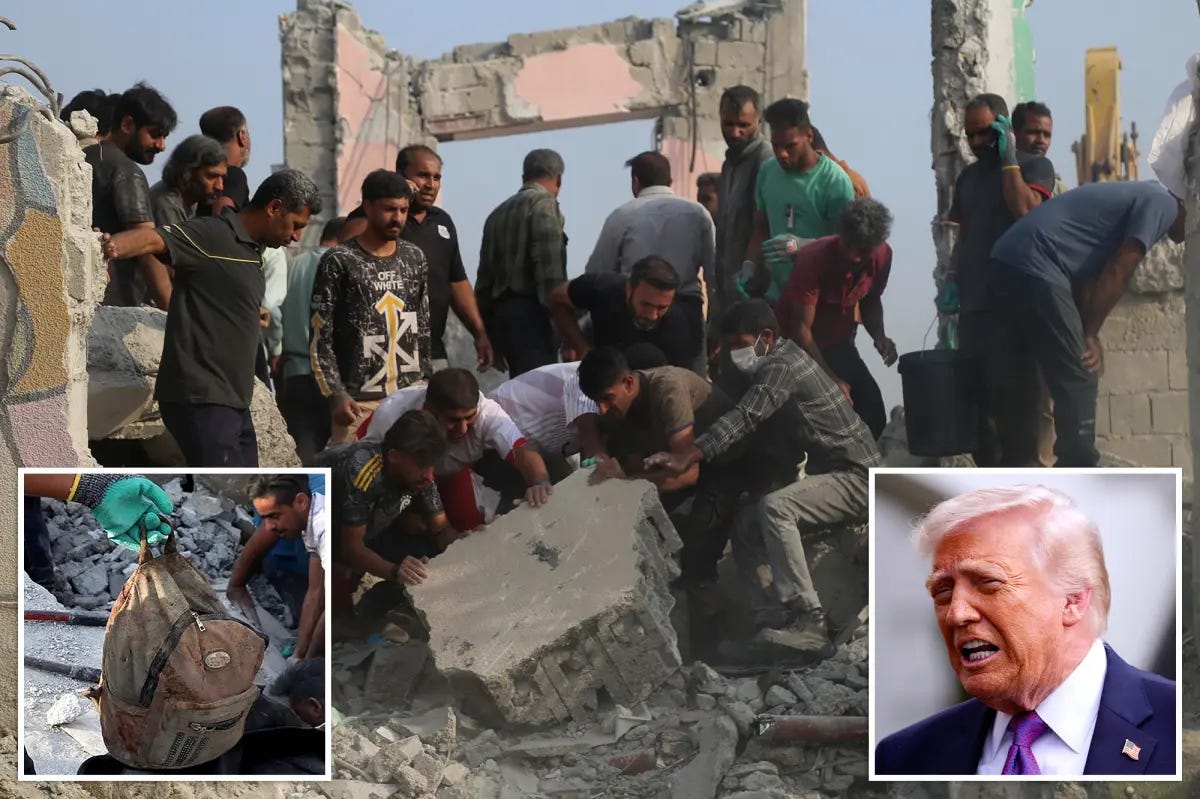
The facts are now clear, and they are impossible to ignore.
A United States military missile strike destroyed a girls’ school in Iran and murdered 168 girls along with 14 teachers. Nearly an entire school community was wiped out in a single moment of violence that has left families shattered and a nation grieving.
The investigation has confirmed what many suspected from the beginning: the strike that turned classrooms into rubble came from the United States.
And yet, instead of confronting the full moral weight of what happened, many voices across the Western political and media landscape have already begun shaping a different narrative.
They call it accidental.
They call it a mistake.
They call it a tragic targeting error.
But when a missile fired by the most technologically advanced military in the world destroys a building full of children, those explanations ring hollow.
Because what happened inside that school was not just a tragic military error.
It was the murder of 168 girls and 14 teachers who stood beside them.
A School, Not a Battlefield
The building that was destroyed was not a military installation. It was not a weapons storage facility, nor was it a command center disguised as a civilian building.
It was a girls’ school.
Inside were students between the ages of seven and twelve. They were doing what children everywhere do during a normal school day—reading, writing, solving math problems, whispering to their friends, and dreaming about the future.
Teachers stood at the front of classrooms, guiding lessons and answering questions. Some students were copying sentences from a chalkboard. Others were preparing to read aloud.
Then a missile struck.
The explosion tore through the school with devastating force. Walls collapsed, classrooms crumbled, and children were buried beneath concrete and debris before they had any chance to escape.
When rescue crews arrived, the scale of the devastation was overwhelming. Parents rushed to the scene, screaming their daughters’ names as smoke still hung in the air.
They dug through the rubble with their bare hands.


Some found backpacks.
Some found notebooks.
Some found the small shoes of children who would never walk home again.
But for many families, there was nothing left to find except the unbearable reality that their daughters had been murdered inside their own classroom.
A Community Destroyed
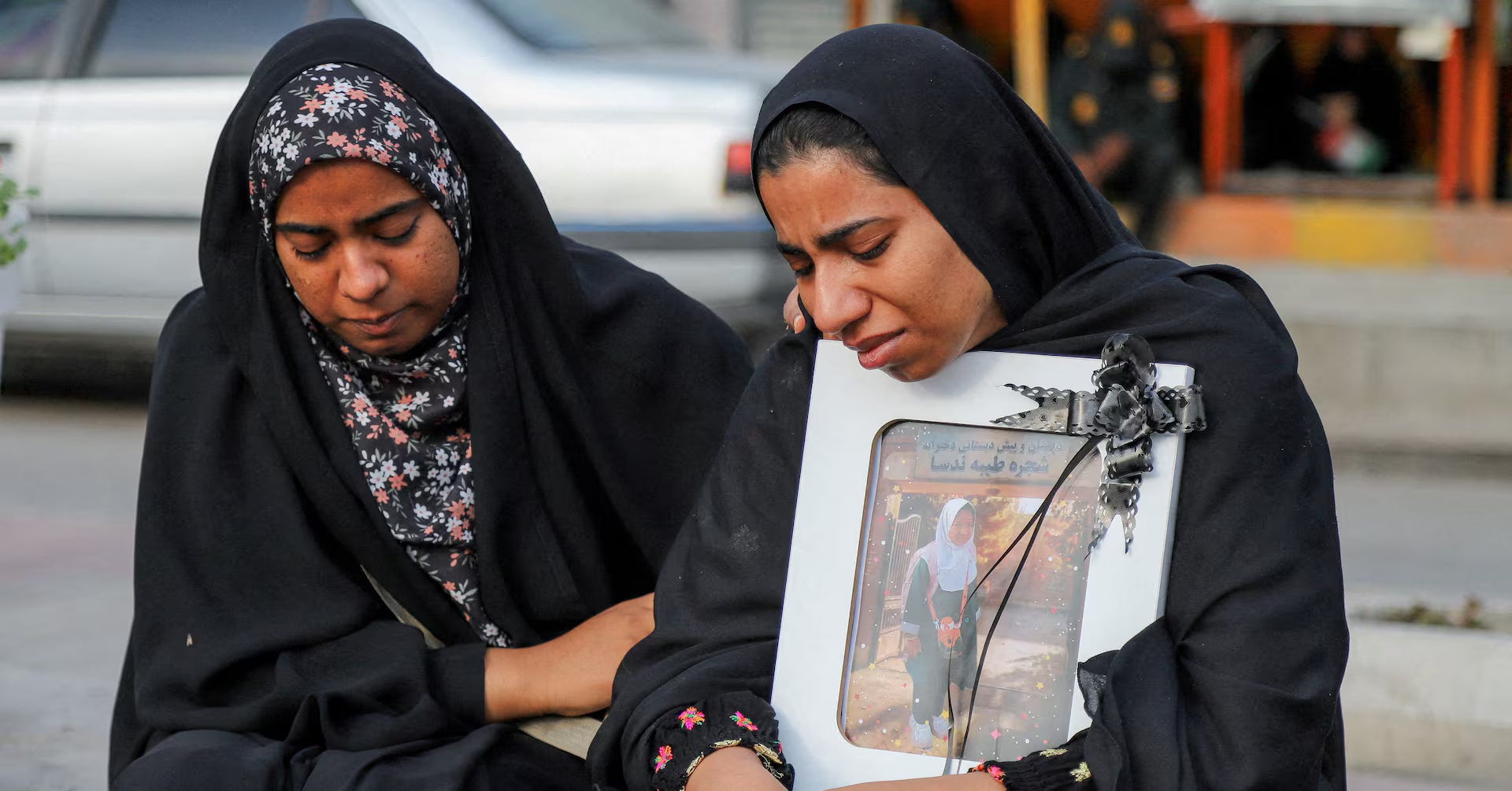
The final toll is almost impossible to comprehend.
One hundred sixty-eight schoolgirls murdered.
Fourteen teachers were murdered alongside the students they were trying to protect.
An entire generation of young girls from that community was erased in seconds.
In towns like this, schools are more than just buildings.
They are places where communities place their hopes for the future.
Parents send their daughters there believing education will open doors and create opportunities that previous generations never had.
Teachers dedicate their lives to nurturing that potential.
But now, in that Iranian town, the classrooms are silent.
The laughter of children has been replaced by funerals.
Rows of small coffins now represent the futures that were stolen.


Some families buried two daughters in the same week.
Others buried their only child.
The grief spreading through the community cannot be measured in statistics.
It can only be understood through the quiet devastation of parents who expected their children to return home from school—and instead prepared them for burial.
The Language of Justification
In the aftermath of the strike, Western officials and media outlets, the likes of CNN.com, have leaned heavily on familiar language.
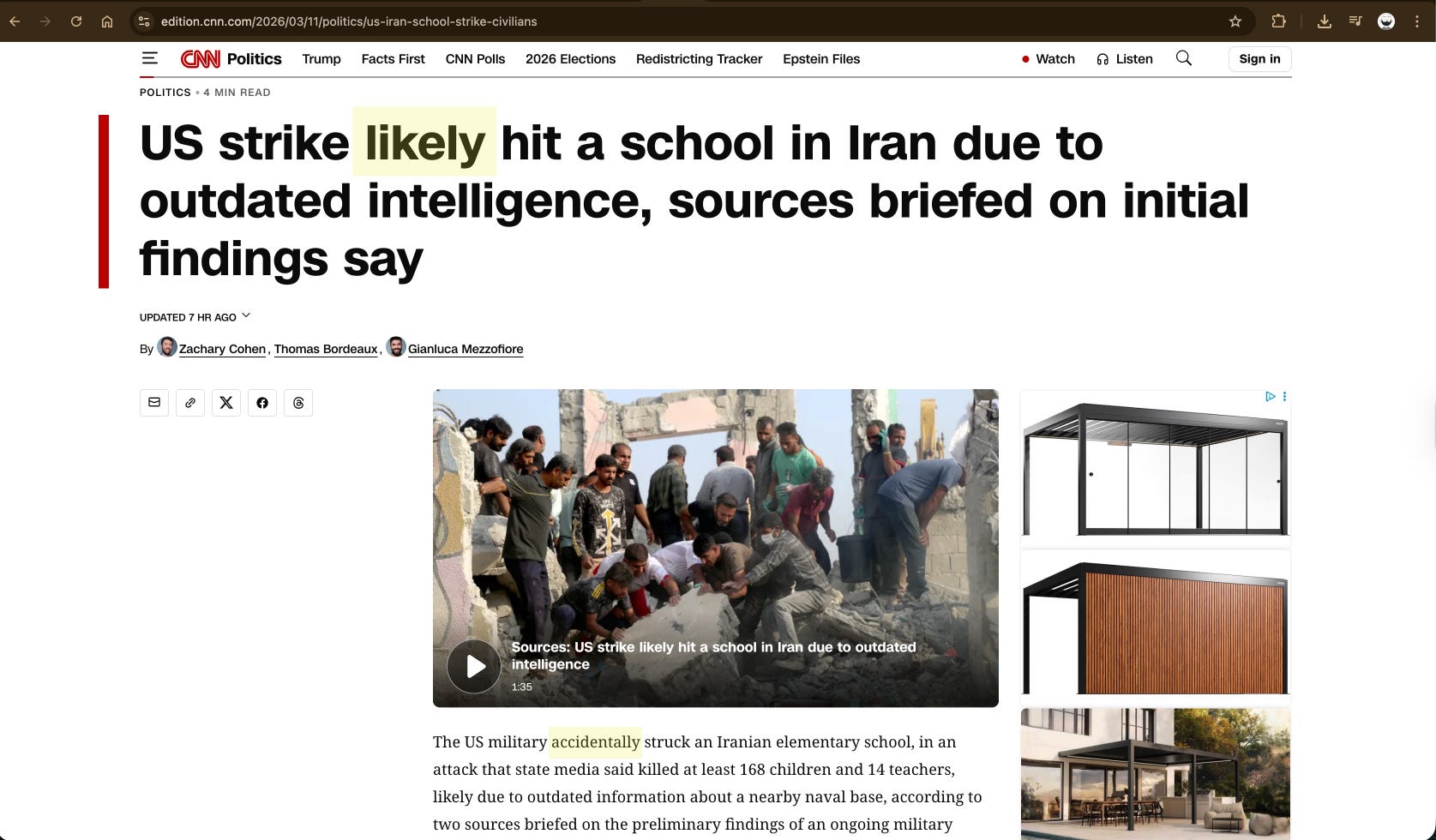
They speak of a tragic mistake.
They describe an operational error.
They suggest the missile was intended for another target nearby.
But these explanations raise a troubling question:
How does a military with the most advanced surveillance systems and targeting technologies on Earth destroy a school and murder its children?
Modern warfare is often defended with the argument that precision weapons minimize civilian harm. Satellites, drones, and intelligence networks are supposed to ensure that military targets are identified with extraordinary accuracy.
Yet this missile still found a school.
And the result was the murder of nearly two hundred innocent people.
The term “precision warfare” begins to lose meaning when its consequences include the destruction of classrooms.
The Double Standard of Global Outrage
Another disturbing element of this tragedy is the global reaction.
Imagine for a moment that a missile destroyed a school in a Western nation and murdered 168 children.
The world would stop.

Political leaders would deliver emergency speeches. International organizations would demand investigations. Media coverage would dominate every global headline.
The outrage would be immediate and universal.
But when the victims are children in Iran or third-world countries, the reaction becomes noticeably different.
The story is discussed, but cautiously.
The focus shifts quickly toward strategic explanations and geopolitical analysis.
Instead of a clear moral condemnation, the conversation becomes complicated by political narratives and diplomatic sensitivities.
This double standard sends a dangerous message.
It suggests that some children’s lives carry greater weight in the global conscience than others.
Yet the girls who died in that school had dreams, families, and futures just like children anywhere else in the world.
Their lives mattered just as much.
The Girls Behind the Numbers
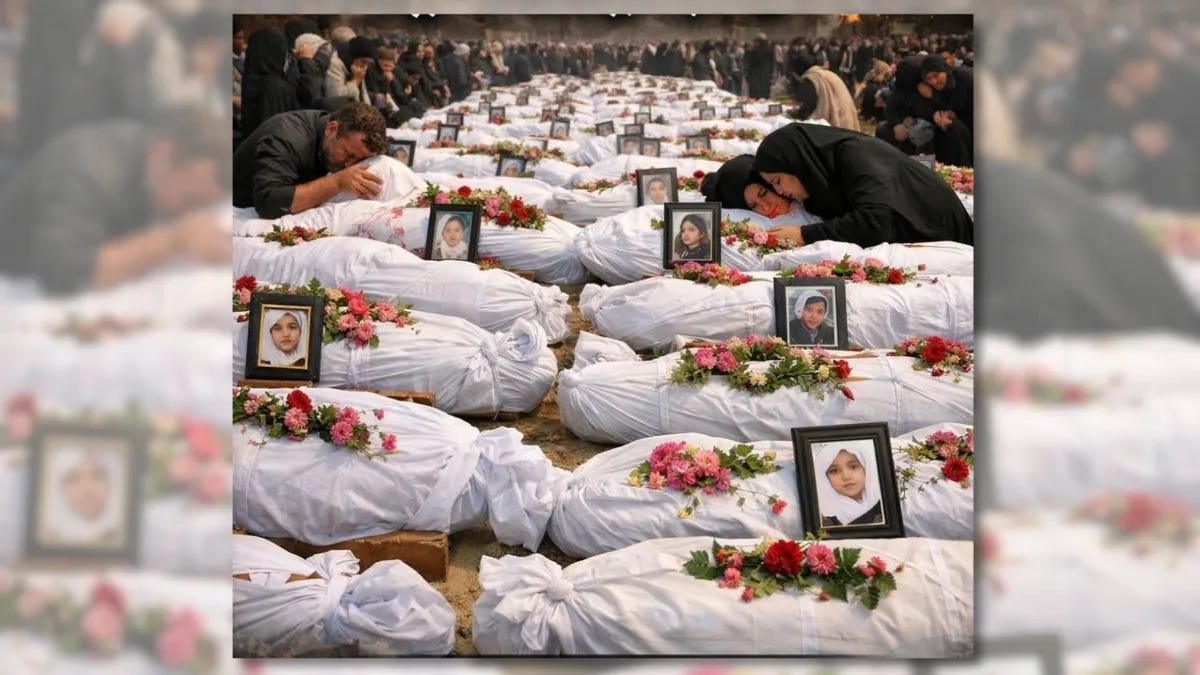
Statistics can sometimes hide the human reality of tragedy.
But behind every number in this story was a young girl with her own personality, her own hopes, and her own dreams.
One loved painting animals in her notebook during recess.
Another wanted to become a doctor so she could help people in her community.
One girl had just learned to read her first full book and proudly showed it to her teacher the day before the strike.
Another had been practicing a poem she hoped to recite in class.
These were children who still believed the world was a place of possibilities.
Now their futures are gone.
They will never graduate.
They will never build careers or families.
They will never discover the paths their lives might have taken.
All of that potential was erased by a missile.
A Test of Moral Responsibility
The investigation confirming that the United States carried out the strike places a heavy responsibility on Western leadership.


Acknowledging what happened requires honesty and moral clarity.
Because the truth is simple, even if it is uncomfortable.
A U.S. missile destroyed a school.
And 168 girls and 14 teachers were murdered.
No explanation about targeting errors can change that outcome.
No strategic argument can restore the lives that were lost.
The only meaningful response is accountability and a commitment to ensuring that tragedies like this are never repeated.
Without that accountability, the deaths of those children risk becoming just another entry in the long list of civilian casualties produced by modern war.
Remembering the Classroom
In the town where the school once stood, the building is now a shattered monument.
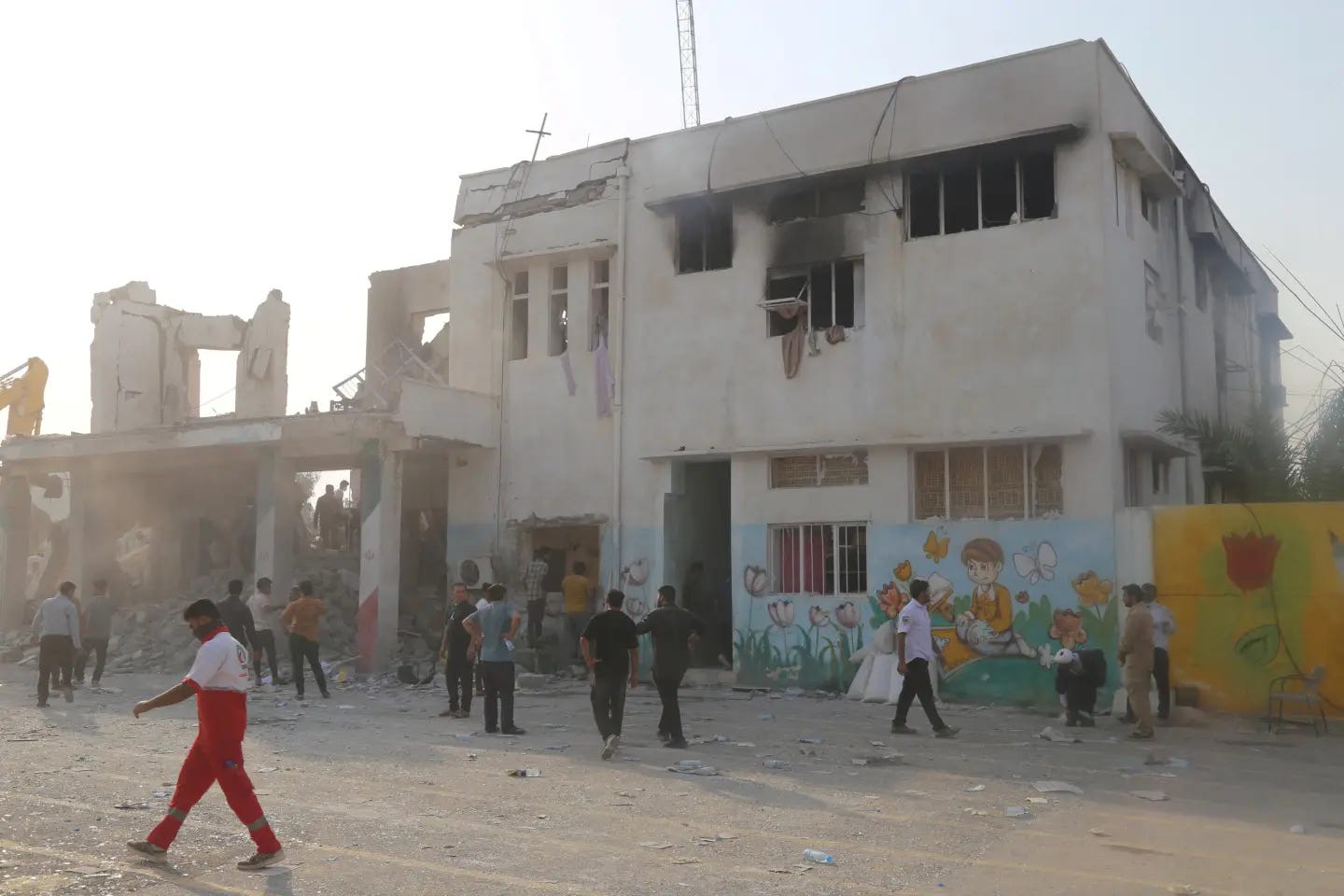
Desks remain buried beneath rubble. Chalkboards still display unfinished lessons written by teachers who never left the classroom alive.
Scattered notebooks lie across the floor, their pages filled with handwriting that will never continue.
Those classrooms once represented the future.
They were places where young girls learned, imagined, and prepared to build lives beyond the walls of their school.
Now they stand as a reminder of how fragile that future can be.
The girls who died there will never grow up.
But their story must not disappear.
Because when children are murdered in cold blood in war, the world faces a choice.
It can accept excuses and move on.
Or it can confront the truth and demand something better.
The girls who sat in those classrooms deserved the chance to grow, to learn, and to live full lives.
US Military code of conduct is clear
An officer shall never unintentionally harm another.
Collateral damage is a responsibility not a mistake to be dismissed. An officer is responsible for an order and is accountable for all consequences Intended and accepted.
There should be no excuses made for what the US did. They are the ones who murdered those schoolgirls and their teachers and therefore should shoulder the responsibility for this,