



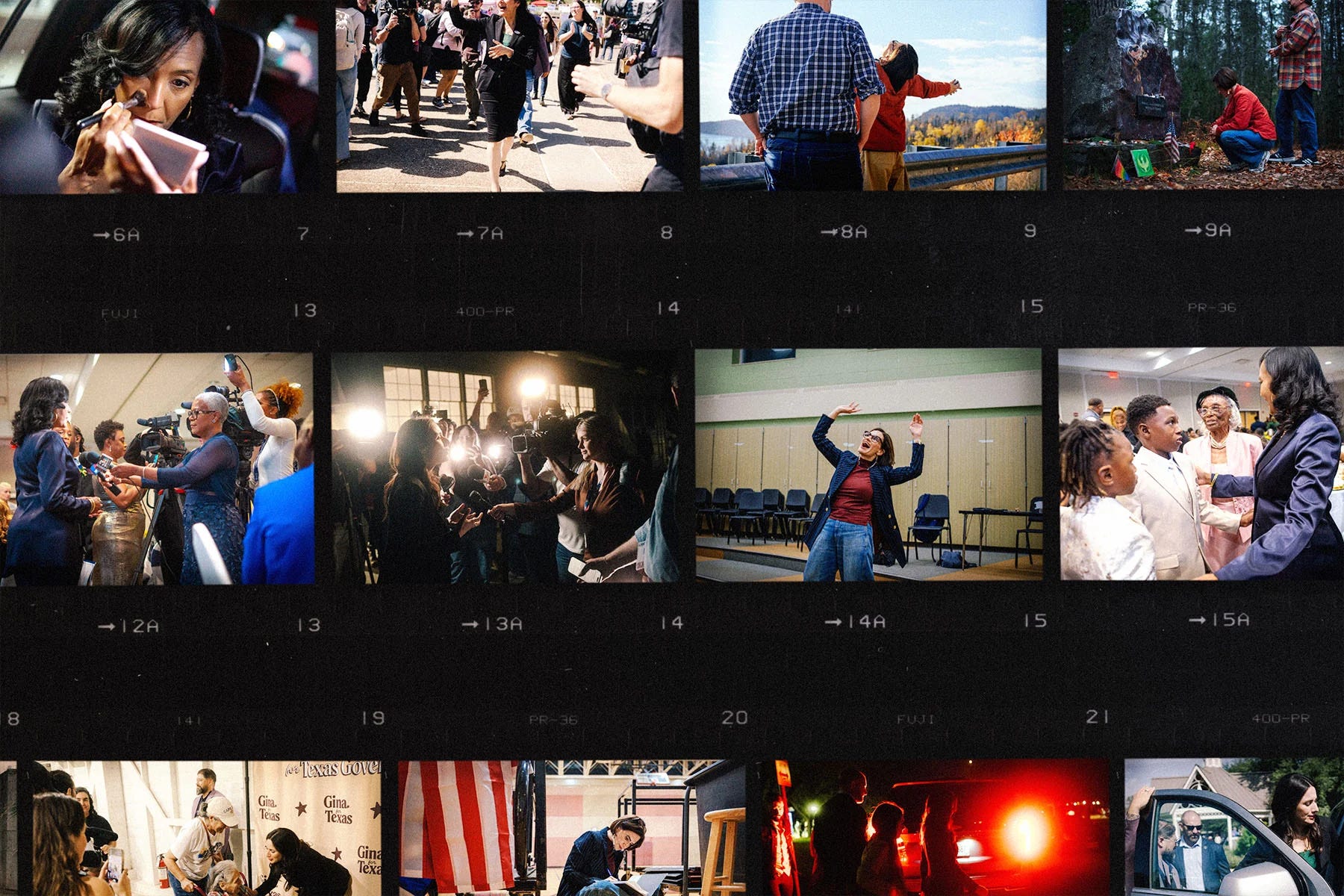
Keeping track of Gina Hinojosa, Peggy Flanagan, and Keisha Lance Bottoms has become increasingly difficult as Election Day draws closer. With their campaigns moving across states and their races remaining fiercely competitive, standing still is hardly an option. One moment, it’s a barbershop in Savannah. The next, an Indigenous reservation in northern Minnesota or a campaign rally in San Antonio.
As they travel, these three candidates are challenging a political system that has historically kept women with their backgrounds away from the highest offices in American government. Their campaigns may seem like modest disruptions to an established order, but victories in November could represent a significant shift in political representation, challenging barriers that have remained firmly in place for generations.
While campaigning in southeastern Georgia, Bottoms emphasized that defending voting rights would be among her leading priorities as governor, particularly as concerns grow over efforts that could undermine Black voters’ political influence. A victory would make her the first Black woman elected governor anywhere in the United States, a historic achievement that Georgia has come close to witnessing twice before.
Along Minnesota’s Lake Superior shoreline, Flanagan spoke to voters about the hardships of financial insecurity, something she experienced firsthand during childhood. The daughter of Indigenous and Irish parents, she is seeking to become the first Native American woman elected to the United States Senate.
In Texas, meanwhile, Hinojosa has been moving between campaign events in Austin and San Antonio, drawing on a populist message and her fluency in Spanish to connect with voters. If successful, she would become Texas’s first Latina governor, a remarkable possibility in a state that recorded the nation’s largest growth in Latino population during the previous decade.
Our partners followed these candidates through the closing stretch of their campaigns, capturing the determination, personal encounters, and political challenges shaping their efforts to accomplish something no woman from their respective backgrounds has achieved before.
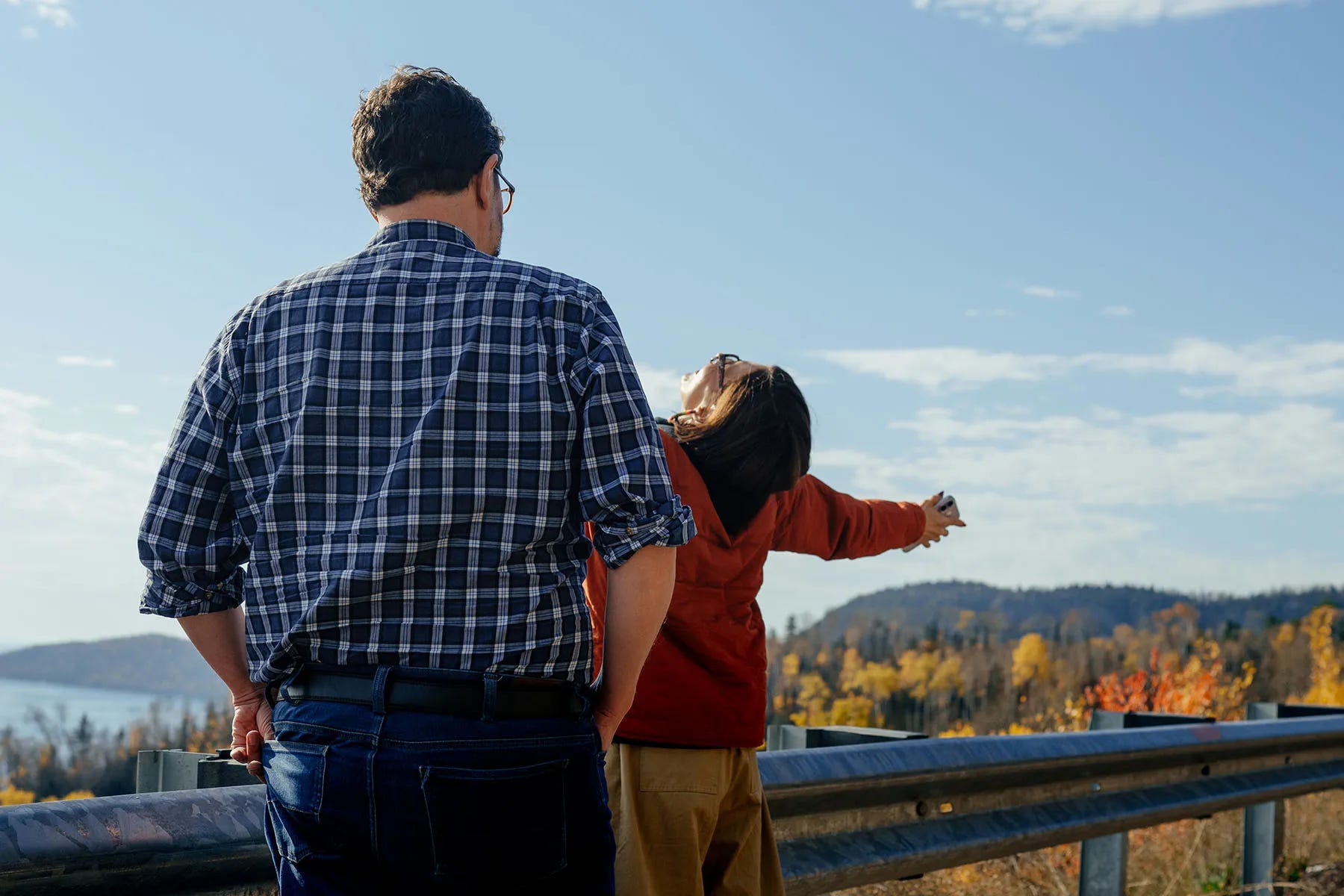
Flanagan, an Ojibwe citizen of the White Earth Nation, carries an Anishinaabe name that translates to a woman who speaks with a strong, clear voice. It is a fitting description of her political career, during which she has consistently brought attention to issues often overlooked in mainstream political debate. Among her efforts was advocating for the establishment of the nation’s first state-level office focused on combating violence against Native Americans, especially Indigenous women.
But there is another side to Flanagan beyond her outspoken political advocacy. During a crisp autumn morning in Grand Marais, Minnesota, she welcomed residents with embraces and paused to affectionately greet a dog. Her collection of sweaters celebrating Minnesota communities reflects her attachment to the state. Sometimes, these small gestures communicate more about a candidate than any prepared campaign speech.


Political campaigns rarely unfold according to plan, particularly when the outcome is as uncertain as Georgia’s gubernatorial contest. Early in her campaign tour through southeastern Georgia, Bottoms received news that two members of her staff had been involved in a traffic accident. Although both are now recovering at home, she interrupted her schedule to check on them before returning to the demanding pace of the campaign.
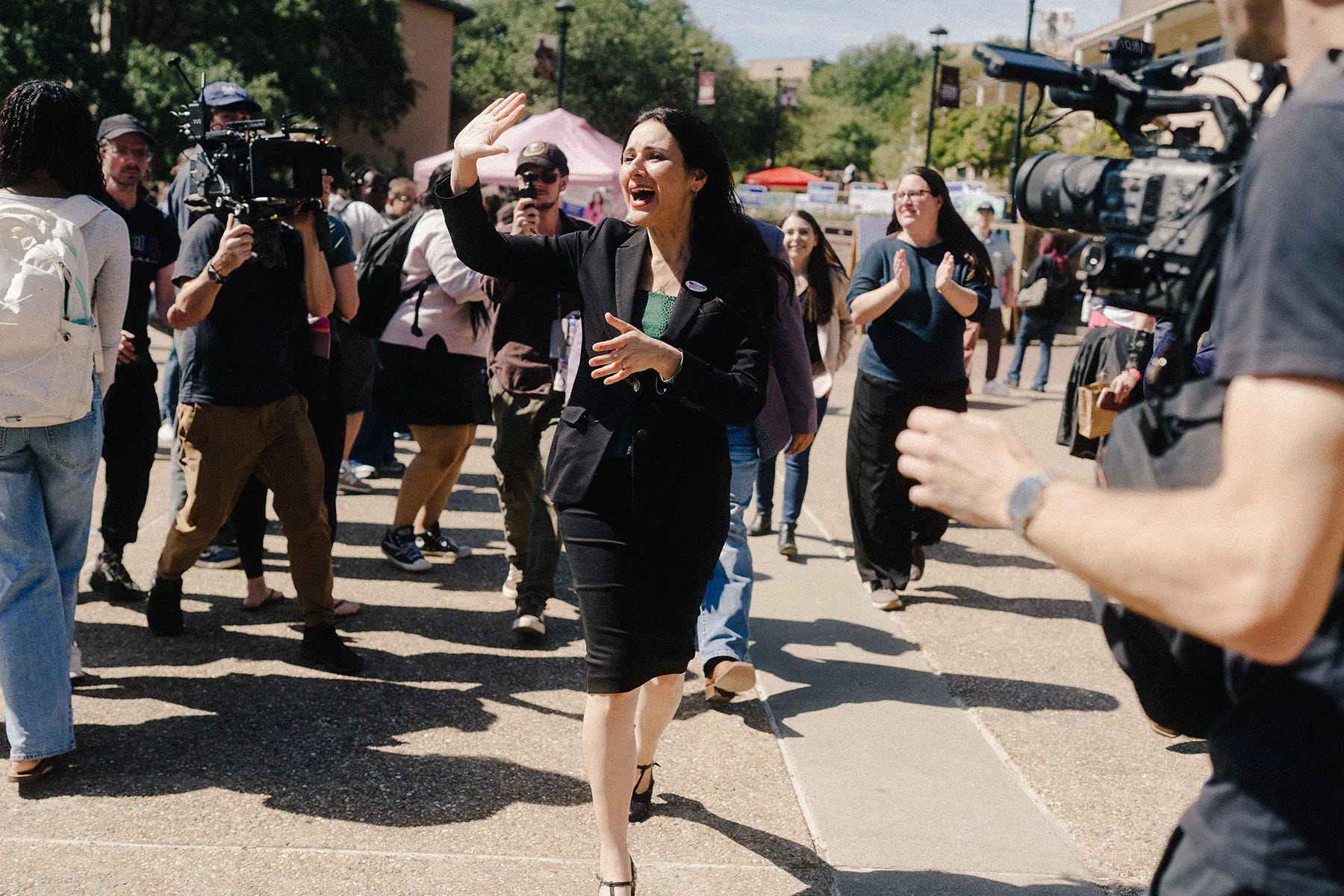
For Hinojosa, the words defining her campaign come directly from her upbringing. She launched her candidacy under the Spanish slogan “No te dejes,” an expression she acknowledges cannot be translated perfectly into English. One interpretation she offers is to recognize your value and stand up for it. The phrase came from her mother, who was born in Mexico and delivered those words with unmistakable firmness, a quality Hinojosa now brings to her own political message.
That approach appears to be gaining traction. During a recent voter mobilization event at Texas State University, where nearly half the students are Latino, supporters lined up to greet Hinojosa and express their enthusiasm. Polling indicates she holds a 24-point lead among Latino voters statewide. Among young Latina voters, her support exceeds that of her opponent, Republican Governor Greg Abbott, by more than four to one.


Women voters could prove crucial in determining the outcome of all three contests. Economic insecurity, an issue that disproportionately affects women, has created political openings for Democrats in Texas, Georgia, and Minnesota. Each candidate is also raising children younger than 18, giving them a personal connection to families who share concerns about economic stability and the future their children will inherit.
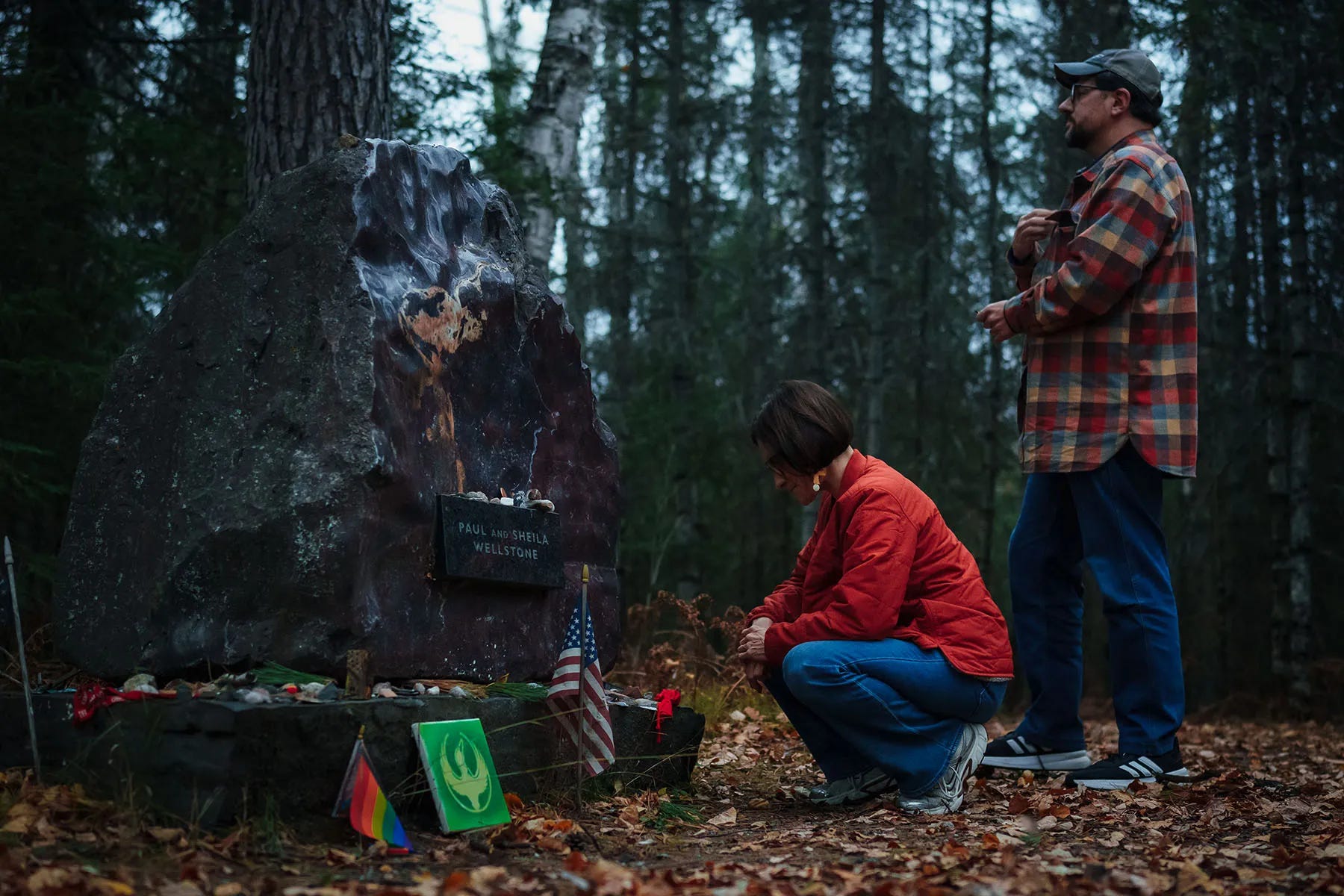
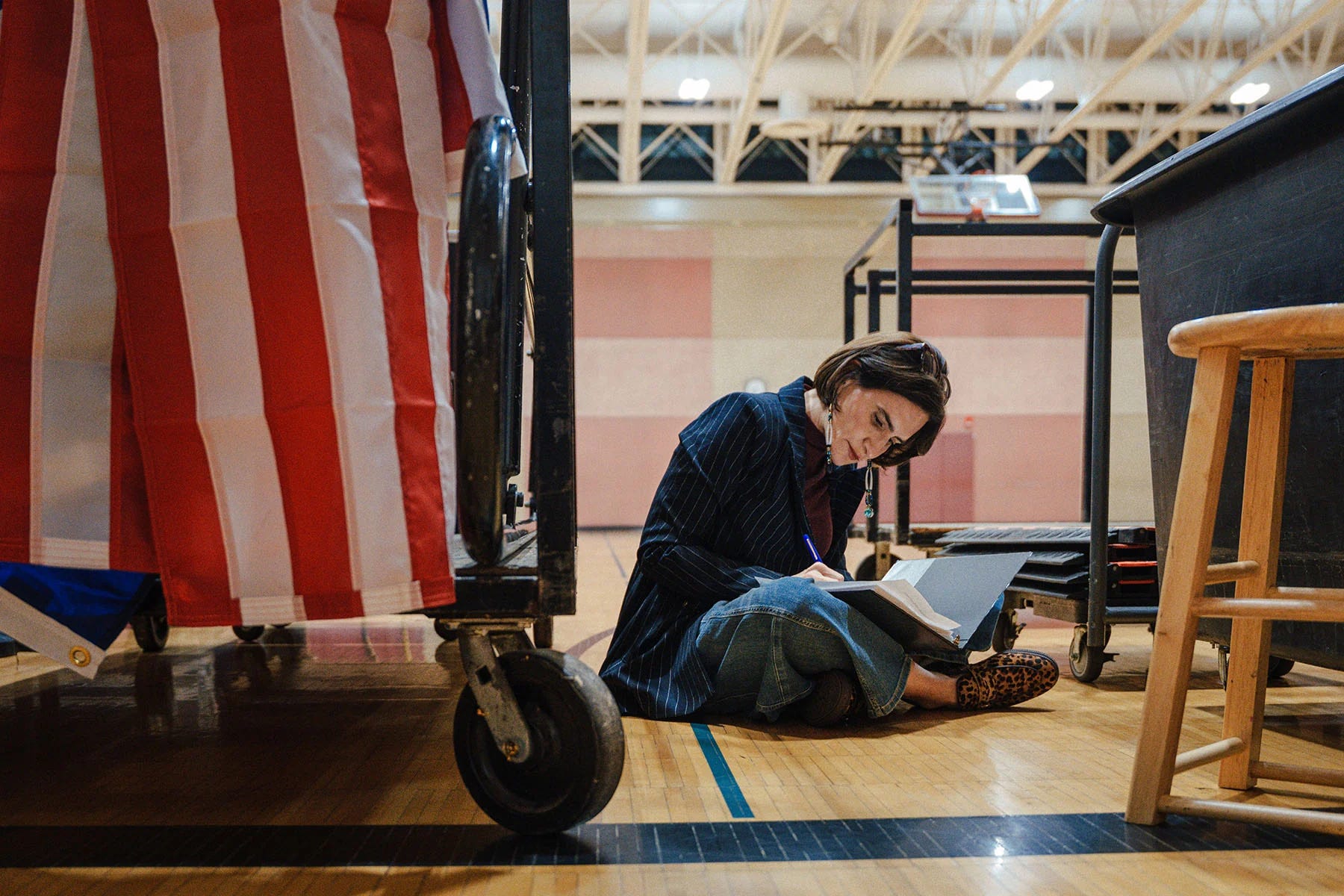
Flanagan’s introduction to electoral politics came during college, when she worked on U.S. Senator Paul Wellstone’s campaign, helping engage Native American voters. Wellstone, a leading progressive and populist voice within the Democratic Party, died just 16 days before the 2002 election. Between campaign appearances, Flanagan took a quiet, emotional moment to honor the man who had helped shape her political journey.
Now seeking the Senate seat Wellstone once occupied, Flanagan could deliver an important victory for the progressive movement he spent years cultivating within the Democratic Party.


Hinojosa has previously identified herself as a progressive, but campaigning in a state long dominated by Republicans has led her to embrace the description of populist as a better reflection of her message. During a day of voter outreach, she stepped away from campaign activities to file a lawsuit seeking the release of correspondence between Abbott and Elon Musk. The legal challenge underscores her campaign’s emphasis on political accountability, concentrated wealth, and the influence of powerful interests.
Speaking to reporters after filing the lawsuit, Hinojosa questioned whether Texas would remain a state governed in the interests of ordinary people or one where billionaires exercise disproportionate control. She characterized the situation as blatant corruption.
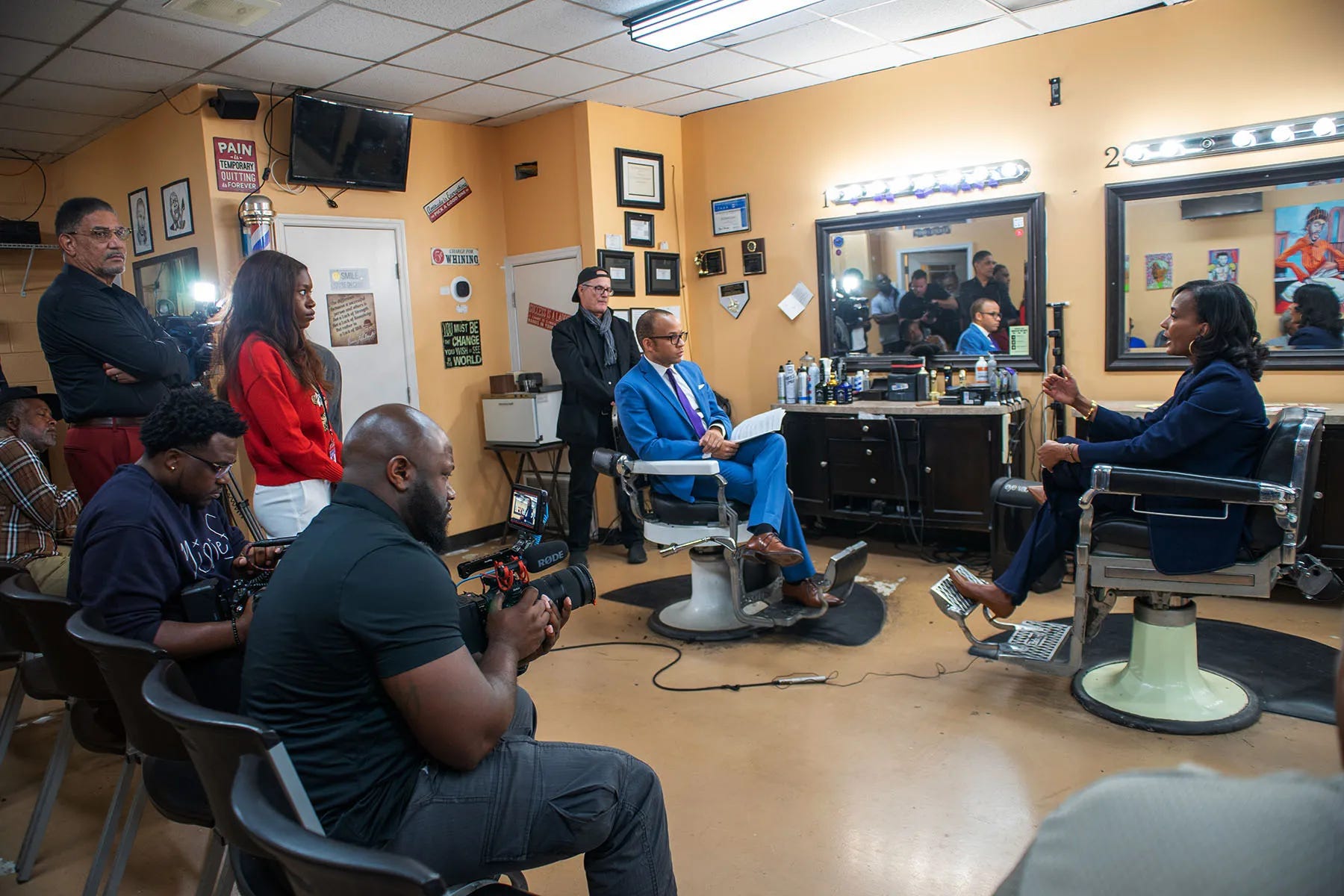
At a barbershop in Savannah, Bottoms drew on her own family history to connect with voters. Her mother owned a hair salon for decades, and Bottoms recalled spending considerable time there growing up. In Georgia, which Donald Trump carried during his successful 2024 presidential campaign, she is emphasizing her commitment to working families, middle-class households, and small-business owners.
Bottoms also presented herself as someone willing to work across political differences, arguing that Georgia needs leadership prepared to put the state’s interests ahead of partisan disagreements.


None of these elections is guaranteed to produce a victory. All three campaigns have faced substantial spending on political attacks, with Bottoms and Hinojosa encountering particularly intense opposition. In Georgia, Bottoms is competing against Republican Rick Jackson, a billionaire healthcare executive whose personal wealth has transformed the financial landscape of the race. Jackson is expected to spend more than $200 million in his campaign for governor. Hinojosa, meanwhile, is challenging a three-term incumbent who remains among the Republican Party’s most influential figures.
To counter those financial disadvantages, both candidates have prioritized direct conversations with voters, attracting news coverage, and building support through community networks. Their organizing strategy relies heavily on a familiar political principle: encouraging supporters to persuade friends and relatives to vote.
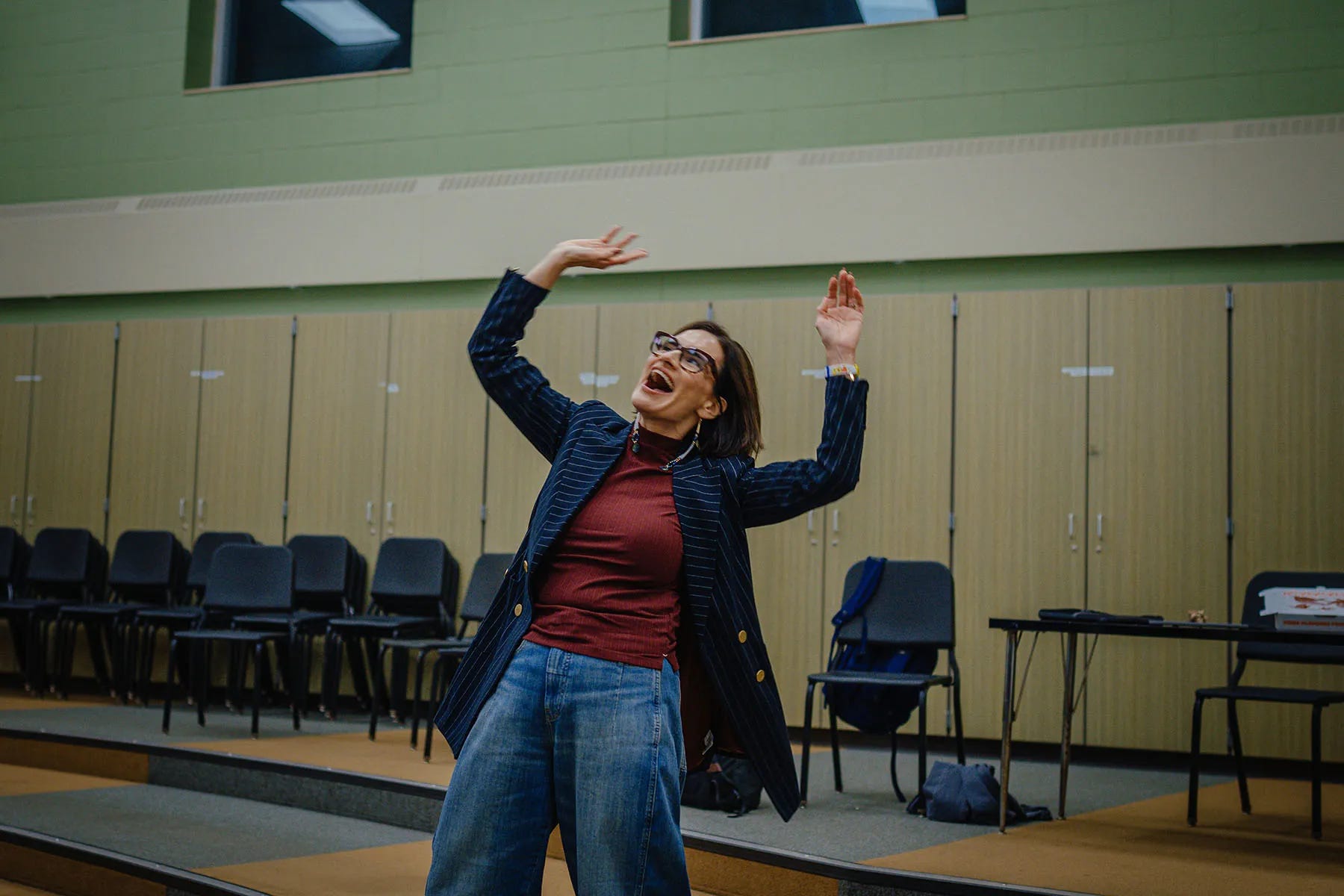
Despite the exhaustion that accompanies a demanding campaign schedule, the approaching election has also brought moments of optimism and excitement.
In Texas, Hinojosa’s campaign has exceeded many early expectations. Initially considered an unlikely contender, the state legislator began the race with limited name recognition beyond Austin. Her candidacy has since developed into one of the country’s most closely watched political contests.
As early voting began in Texas, Hinojosa expressed her excitement before stepping out to address another gathering of potential supporters.


For Bottoms, the work continues long after formal speeches conclude. Following her keynote address at the Savannah Branch NAACP’s annual banquet, she remained in the room speaking with attendees, greeting supporters, and ensuring they had made arrangements to vote. Similar enthusiasm surrounds Hinojosa, whose campaign appearances frequently conclude with lengthy lines of people waiting for photographs.
In Duluth, Minnesota, Flanagan and Vermont Senator Bernie Sanders spent more than 30 minutes posing for pictures and talking with supporters following their rally. Campaign staff jokingly referred to the extended farewell as a classic “Minnesota goodbye.”
Although their campaigns could produce groundbreaking results, all three women are careful to emphasize that becoming a historical first is not their primary motivation. Their personal identities influence their political priorities, but they believe voters should support them because of what they intend to accomplish in office.
Bottoms prefers to leave questions about her place in history to those who will eventually write it. Hinojosa would rather highlight the possibility of becoming the first Texas governor from the Rio Grande Valley, a predominantly Latino region. Flanagan, speaking to voters across Minnesota, makes a more straightforward observation: perhaps the time has finally come for a Native American woman to serve in the United States Senate.


History may be one consequence of their campaigns, but it is not the central purpose driving them forward. And as their journeys toward Election Day demonstrate, whether they ultimately win or lose, each has already undertaken the difficult work of challenging political barriers that once seemed impossible to overcome.