
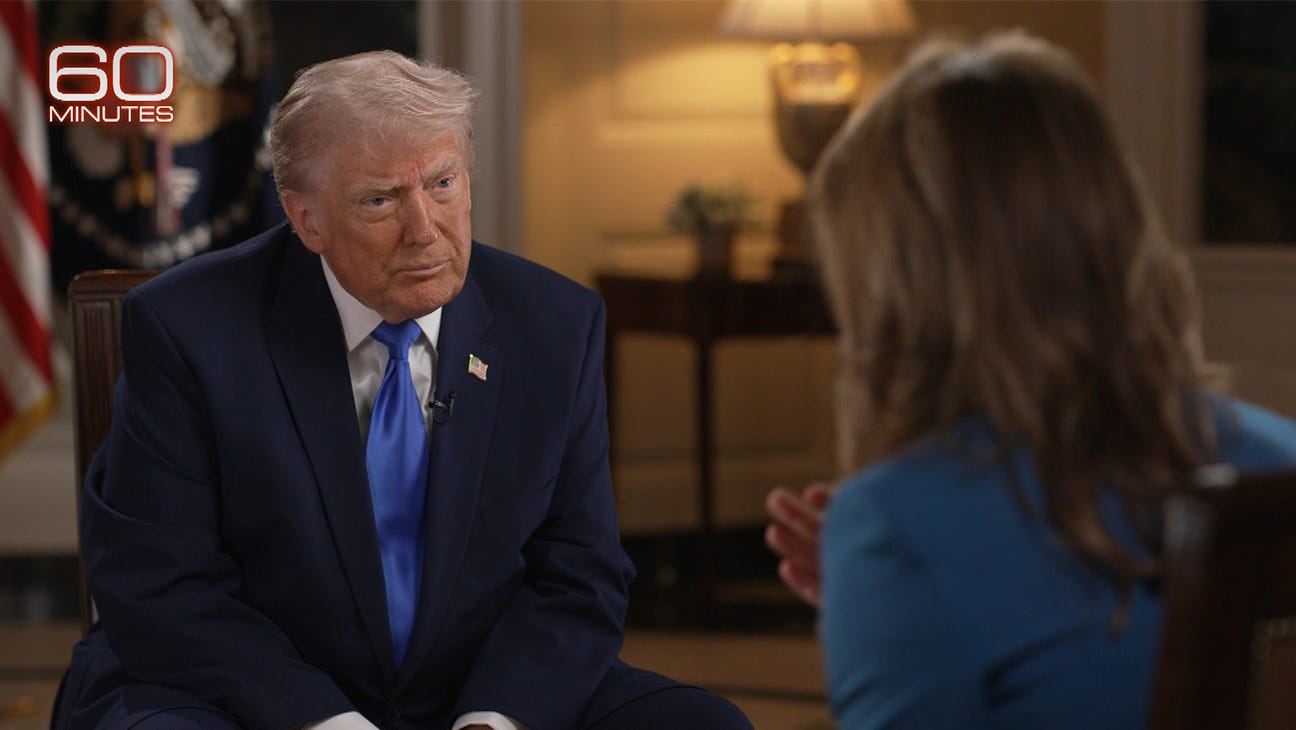
Trump Calls Donald Trump a “Disgrace”: It Goes to Show How America Has Been Permissive of White Men’s Abuse Against Women.
From politics to workplaces and homes, America’s tolerance of white men’s abuse against women has persisted for generations—and the cost of that silence is no longer acceptable.
When Donald Trump publicly labeled Norah O’Donnell a “disgrace,” it was not just another headline-grabbing insult in an already crowded news cycle. It was something more revealing—another example in a long, troubling pattern that has defined American public life for generations. A pattern where powerful white men lash out at women, often without consequence, and where the outrage fades faster than the behavior ever changes.
This moment, like so many before it, forces a deeper question:
Why does this keep happening?
And more importantly, why has it been tolerated for so long?
A Pattern, Not an Exception
It would be easy—convenient, even—to treat Trump’s attack as an isolated incident. But doing so ignores history. From politics to media, from corporate boardrooms to living rooms across the country, the dismissal, belittlement, and outright abuse of women by white men has been normalized in ways that are both visible and insidious.
The language may differ.
The settings may change.
But the underlying dynamic remains strikingly consistent: a man in a position of power using that power to demean, control, or undermine a woman—and facing little to no accountability for it.
Trump’s comment toward O’Donnell fits squarely into this pattern. It’s not just about the insult itself; it’s about what the insult represents.
A willingness to publicly degrade a woman for doing her job.
A confidence that such behavior will be dismissed by supporters as “just words.”
A broader cultural acceptance that allows these moments to pass without meaningful consequence.
The Double Standard That Refuses to Die

If a woman in a similar position were to publicly attack a male counterpart in the same way, the reaction would be swift—and often unforgiving. She would be labeled emotional, unprofessional, and unfit for leadership. Her credibility would be questioned. Her career could be derailed.
But when men—particularly white men with power, or none engage in the same or worse behavior, the response is often muted. Their words are reframed as bluntness, strength, or authenticity. Their actions are excused as personality quirks. In some cases, they are even rewarded with increased visibility and influence.
This is the hypocrisy at the heart of the issue. It is not simply about individual incidents, but about a system that consistently applies different standards based on gender, skin color, and, critically, on power.
From Public Insults to Private Harm
What happens in public discourse does not stay there. It shapes cultural norms. It signals what is acceptable and what is not.
When high-profile figures openly demean women without consequence, it reinforces a dangerous message: that such behavior is permissible. That it is part of the fabric of interaction. That it does not cross a line.
And that message trickles down.
It shows up in workplaces, where women are talked over, undermined, or harassed by male colleagues who feel emboldened by a culture that rarely punishes such behavior. It shows up in homes, where emotional or verbal abuse is minimized or ignored. It shows up in everyday interactions, where women are expected to tolerate disrespect to avoid being labeled “difficult.”
The connection is not abstract. It is direct. Culture is shaped by what is modeled at the top—and too often, what is modeled is harmful.
The Shield of Power
One of the most persistent enablers of this behavior is power itself.
Power protects.
Power deflects.
Power rewrites narratives.
When influential men engage in abusive or degrading behavior, their status often acts as a shield. Critics are dismissed as biased. Victims are scrutinized. Conversations shift away from accountability and toward justification.
This dynamic is not new. It has been embedded in American institutions for centuries. But what is changing—and what must continue to change—is the willingness to challenge it.
Because power should not be a shield against accountability. If anything, it should demand a higher standard.
The Cost of Silence
For too long, silence has been part of the problem.
Silence from institutions unwilling to confront powerful figures.
Silence from colleagues who choose comfort over confrontation.
Silence from audiences who have been conditioned to see this behavior as normal.
But silence is not neutral. It is a form of permission.
Every time a white man demeans a woman and faces no real consequences, it reinforces the idea that such behavior is acceptable. Every time it is brushed off as “not a big deal,” it deepens the cultural tolerance that allows it to continue.
Breaking that silence is not easy. It requires confronting deeply ingrained norms. It requires challenging people and systems that benefit from the status quo. But it is necessary.
Why This Moment Matters
Trump’s comment toward Norah O’Donnell is not the first of its kind, and it will not be the last. But it matters because it is part of an ongoing pattern that is increasingly being called out.
There is a growing refusal—particularly among women and younger generations—to accept this behavior as normal. There is a growing demand for accountability, not just in words but in action.
And there is a growing recognition that the issue is not just about individual men, but about a broader system that has enabled them.
This moment is an opportunity to confront that system head-on.
No More Excuses
The time for excuses has passed.
It is no longer acceptable to dismiss harmful language as “just rhetoric.” Words matter. They shape perceptions. They influence behavior.
It is no longer acceptable to separate public conduct from private impact. What leaders say and do in public has real consequences in the real world.
And it is no longer acceptable to apply different standards based on who holds power.
Accountability must be consistent. It must be real. And it must apply to everyone—regardless of position, influence, or identity.
A Cultural Reckoning


What we are witnessing is not just a series of isolated incidents, but a cultural reckoning.
A recognition that long-standing cultures have allowed harmful behavior to persist. A recognition that these cultures must be challenged and changed. And a recognition that change will not come from silence or complacency, but from sustained pressure and collective action.
This reckoning is uncomfortable. It forces difficult conversations. It challenges deeply held beliefs.
But it is also necessary.
Because the alternative is to continue a cycle that has already lasted far too long.
From Awareness to Action
Awareness is only the first step.
Real change requires action—at every level.
In politics, it means holding leaders accountable for their words and actions, regardless of party or position. It means refusing to normalize behavior that degrades or undermines women.
In workplaces, it means creating environments where respect is non-negotiable and where abusive behavior is addressed, not ignored. It means implementing policies that protect employees and enforcing them consistently.
At home, it means challenging harmful dynamics and modeling respect in everyday interactions. It means teaching the next generation that abuse—in any form—is unacceptable.
And in media and public discourse, it means continuing to shine a light on these issues, even when it is uncomfortable, even when it is met with resistance.
The Line Has Been Drawn
There is a growing consensus that enough is enough.
The tolerance that once allowed these behaviors to persist is eroding. The excuses that once shielded them are losing their power.
But change is not inevitable. It requires effort. It requires vigilance. It requires a collective commitment to doing better.
Because the stakes are too high to accept anything less.
Before You Click Away!
This is not just about one comment, one moment, or one individual. It is about a culture that has allowed harmful behavior to persist—and a collective responsibility to change it.
If this message resonates with you, don’t let it end here.
Help us continue to shine a light on these issues. Help us hold power accountable. Help us amplify the voices that too often go unheard.
If you’re a free subscriber, now is the time to take the next step. Take full advantage of our 40% offer on our annual subscription and support independent journalism that refuses to stay silent.
Together, we can keep exposing the truth. Together, we can challenge cultures that have held us back. And together, we can push for a future where this kind of behavior is no longer tolerated—anywhere.
Not in politics.
Not in workplaces.
Not at home.
Not anymore.


She should file a lawsuit against him