



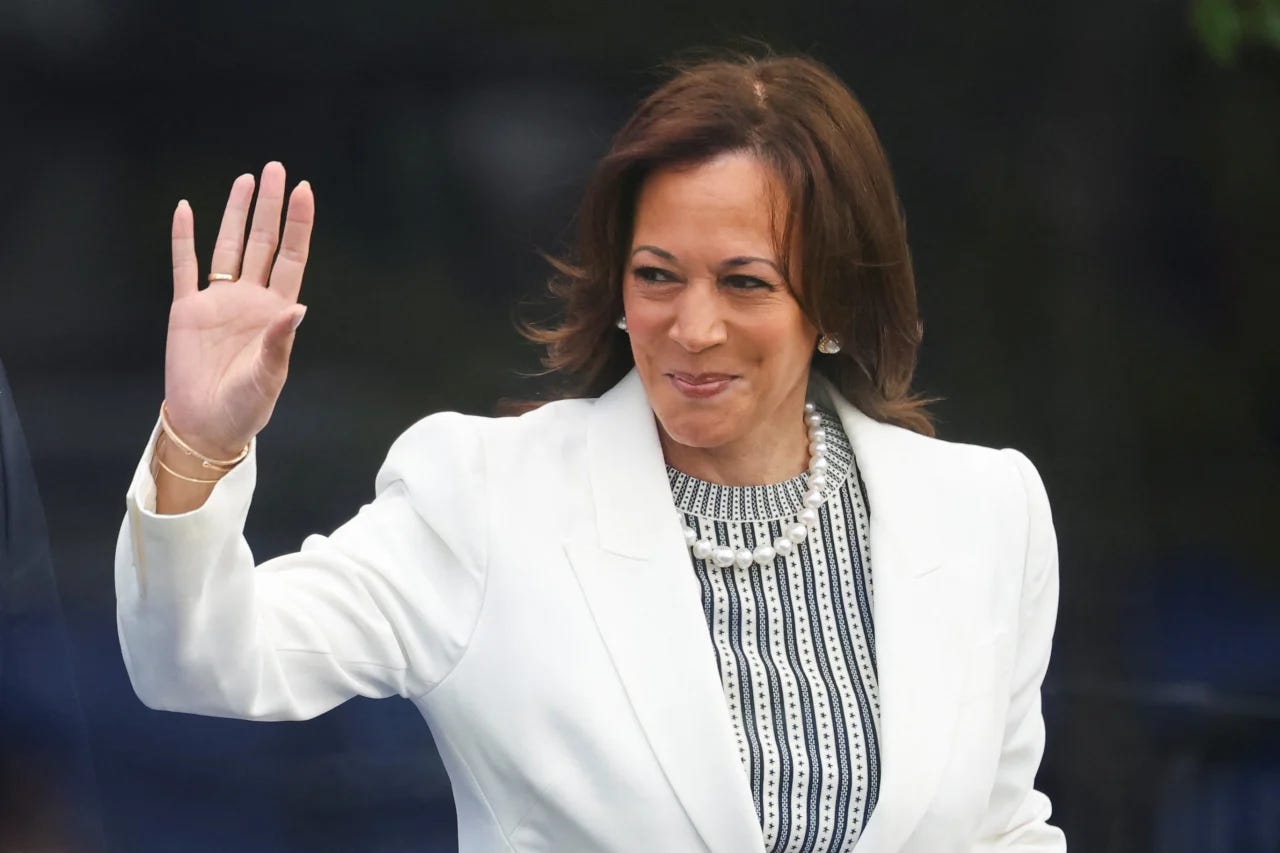
With the 2026 midterm elections approaching, a striking political contrast is emerging between President Donald Trump and former Vice President Kamala Harris. While Trump has reportedly concentrated his campaign appearances in reliably Republican states, Harris is preparing to enter some of America’s most competitive political battlegrounds.
The difference raises an intriguing question: Are Republican candidates in closely contested states becoming increasingly cautious about campaigning alongside Trump, while Democrats see Harris as a potentially valuable political asset?
For Trump, whose political influence has largely depended on his ability to mobilize conservative voters, the decision to focus on Republican strongholds invites scrutiny. For Harris, whose 2024 presidential campaign ended in defeat, the upcoming appearances offer an opportunity to demonstrate that her political influence remains relevant.
The contrasting strategies could reveal much about how both parties intend to approach November’s elections.
Why Trump’s Campaign Schedule Raises Questions.
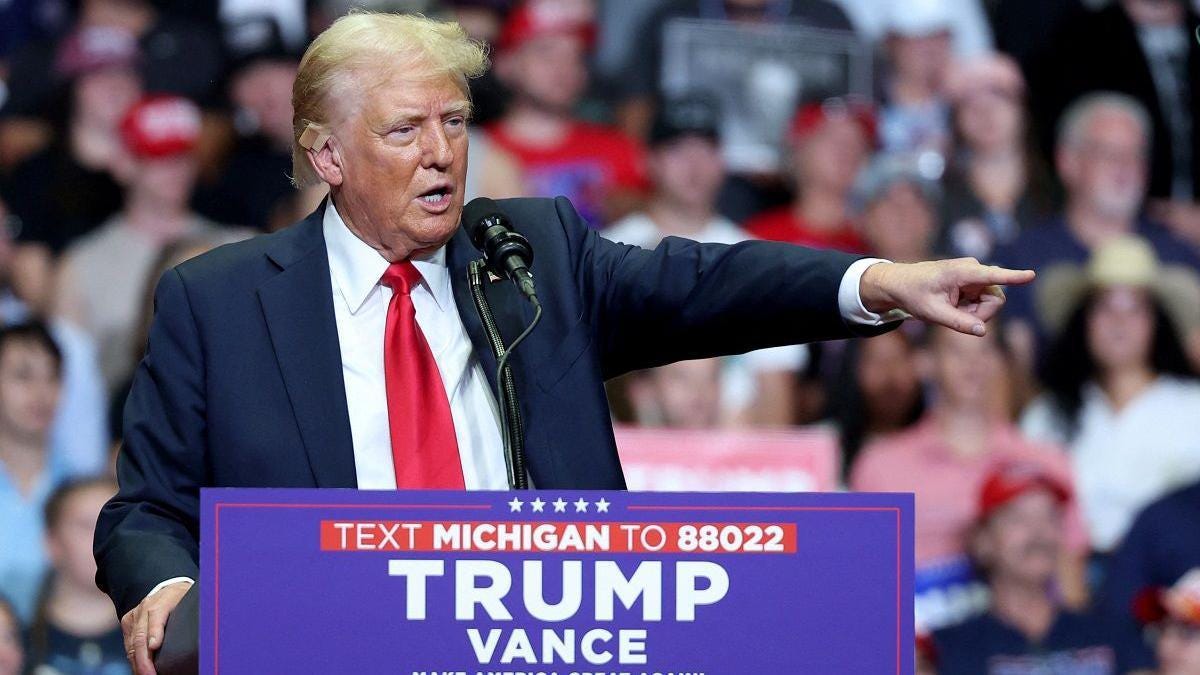
Presidents traditionally use midterm elections to strengthen their party’s congressional position, energize supporters, and help vulnerable candidates secure victories.
Trump
However
Appears to be following a different approach.
His reported late-campaign appearances have largely focused on Republican-leaning states rather than the closely divided battlegrounds where his party faces some of its toughest electoral challenges.
One explanation is that Trump remains particularly effective at motivating conservative voters, making Republican strongholds strategically attractive destinations.
Another possibility is that Republican candidates in competitive states are reluctant to associate themselves too closely with a president whose political image can energize opponents as effectively as supporters.
In battleground states, winning often requires attracting independent voters and moderates who may support Republican policies without necessarily embracing Trump’s political style.
A presidential appearance could therefore become a political gamble.
However, campaign schedules alone cannot establish whether candidates are deliberately distancing themselves from Trump. Fundraising priorities, logistics, and local political considerations can also influence presidential travel.
Nevertheless, the geographic contrast with Harris’s reported campaign plans is difficult to ignore.
Kamala Harris Returns to the Political Spotlight.
While Trump focuses on Republican territory, Harris is reportedly preparing to campaign alongside Democratic candidates in New Hampshire, Georgia, Wisconsin, and Nevada.
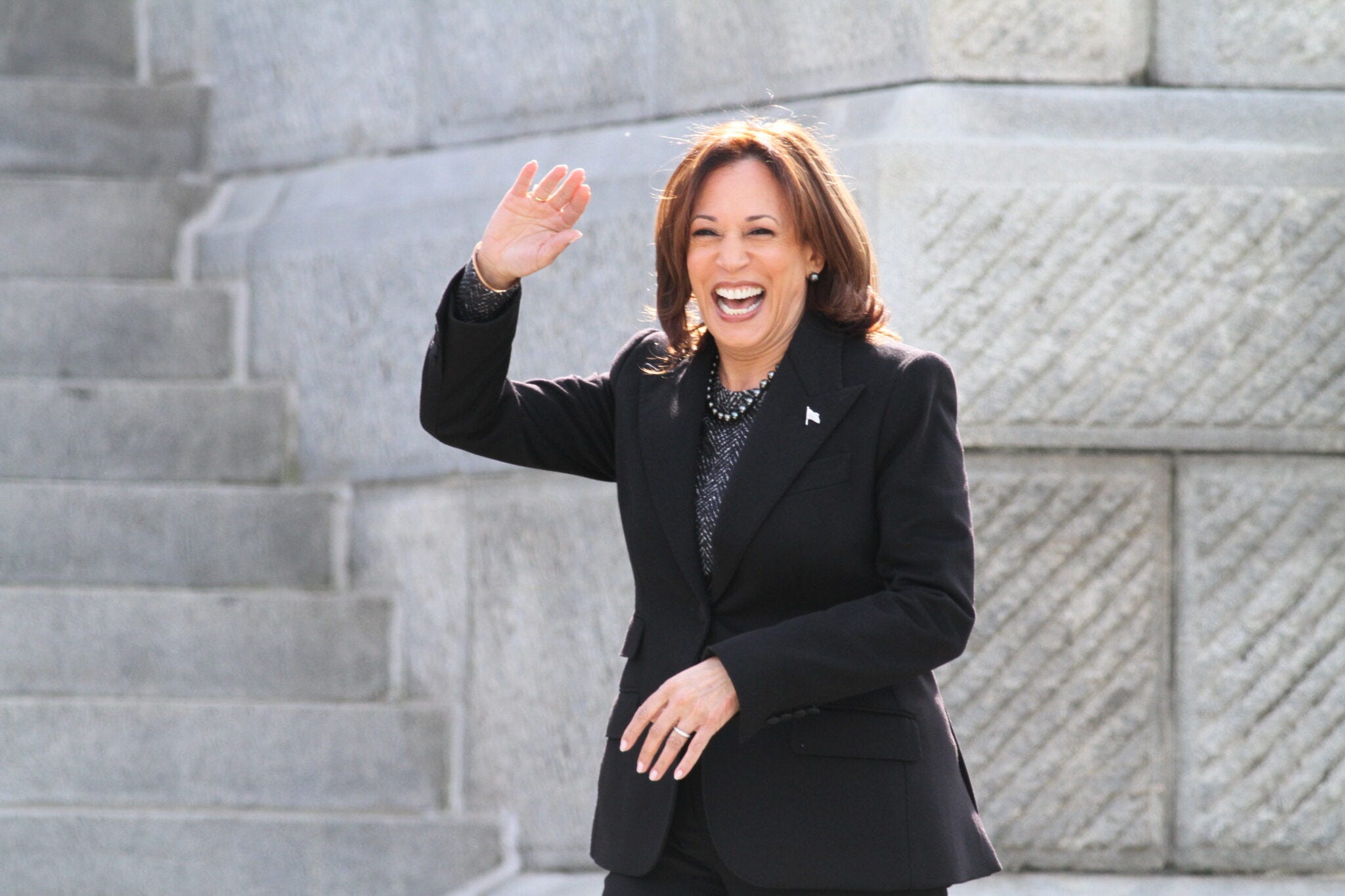
Her anticipated appearances include supporting Representative Chris Pappas in New Hampshire and Senator Jon Ossoff in Georgia, as well as gubernatorial candidates in Wisconsin and Nevada.
These destinations are politically significant.
Georgia, in particular, remains a critical battleground where Black voters have played a decisive role in Democratic electoral victories.
Harris, the first woman, first Black American, and first South Asian American to serve as vice president, brings considerable visibility and historic significance to Democratic campaigns.
Her presence could help mobilize voters whose participation may determine the outcome of competitive races.
But her political appeal is not universal.
Some Democrats campaigning in Republican-leaning states have previously kept their distance from Harris, reflecting the complicated calculations candidates must make when deciding which national figures can strengthen their campaigns.
The emerging strategy suggests that Democrats are deploying Harris selectively, particularly where her connections with important voter constituencies could make a difference.
Wisconsin and Nevada Could Prove Especially Important.
Two of Harris’s reported destinations carry additional significance.
In Wisconsin, she is expected to support Milwaukee County Executive David Crowley, while in Nevada, she will reportedly campaign for Attorney General Aaron Ford, a longtime political ally.
Both are Black gubernatorial candidates seeking to build broad electoral coalitions.
Their campaigns offer Harris opportunities to support emerging Democratic leaders while strengthening her relationships within the party.
These appearances also highlight the growing importance of local political leadership in national elections.
Candidates cannot rely exclusively on presidential endorsements or party loyalty. They must persuade voters that they understand the economic pressures, community concerns, and policy challenges affecting everyday life.
For Harris, success will depend on whether her involvement translates into increased voter enthusiasm, stronger campaign organization, and ultimately electoral victories.
Is Harris Already Looking Toward 2028?
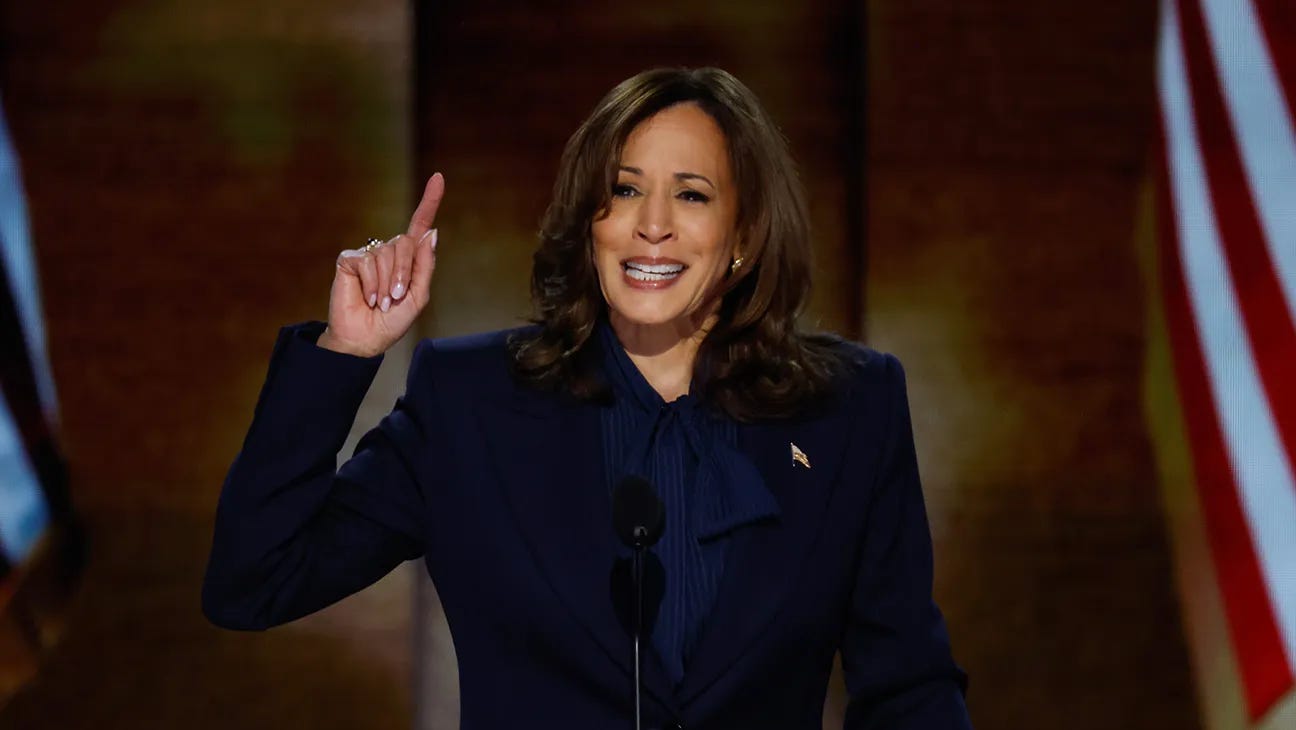
Beyond the immediate midterm elections, Harris’s reported travel schedule has another intriguing dimension.
Nevada and New Hampshire have historically played important roles in the early stages of presidential nomination contests.
Her appearances in these states could provide opportunities to reconnect with Democratic activists, cultivate political relationships, and maintain visibility among influential party organizations.
That does not necessarily mean Harris is preparing another presidential campaign.
However, presidential ambitions are often shaped long before formal announcements. Building relationships, supporting candidates, and maintaining a national political presence can help preserve future opportunities.
For Harris, the 2026 midterms could become an important test of whether she can rebuild momentum following her 2024 defeat.
The Real Test Will Come in November.
Ultimately, the contrasting campaign strategies reflect a fundamental reality of American politics: Popularity within a political party does not automatically translate into broader electoral appeal.
Trump remains an influential Republican figure capable of commanding national attention and mobilizing loyal supporters. Yet his ability to help candidates in competitive states remains an important political question.
Harris faces a different challenge. She must demonstrate that her political visibility can produce meaningful electoral results despite her previous presidential defeat.
Both politicians have something to prove.
As November approaches, their campaign appearances will offer clues about how Democrats and Republicans view their respective political strengths and vulnerabilities.
But the clearest answers will emerge when voters cast their ballots.
Because ultimately, political influence is not measured simply by the crowds a politician attracts or the headlines they generate.
It is measured by whether their presence helps candidates win when victory is far from guaranteed.
He isn't rallying "conservative" voters. There is very little that is conservative with this crowd. Most actual conservatives have either left the GOP or are hanging at the least extreme fringe, unable to accept that their party has been thoroughly corrupted and defiled. Or, to incorporate historical fact, made more so.