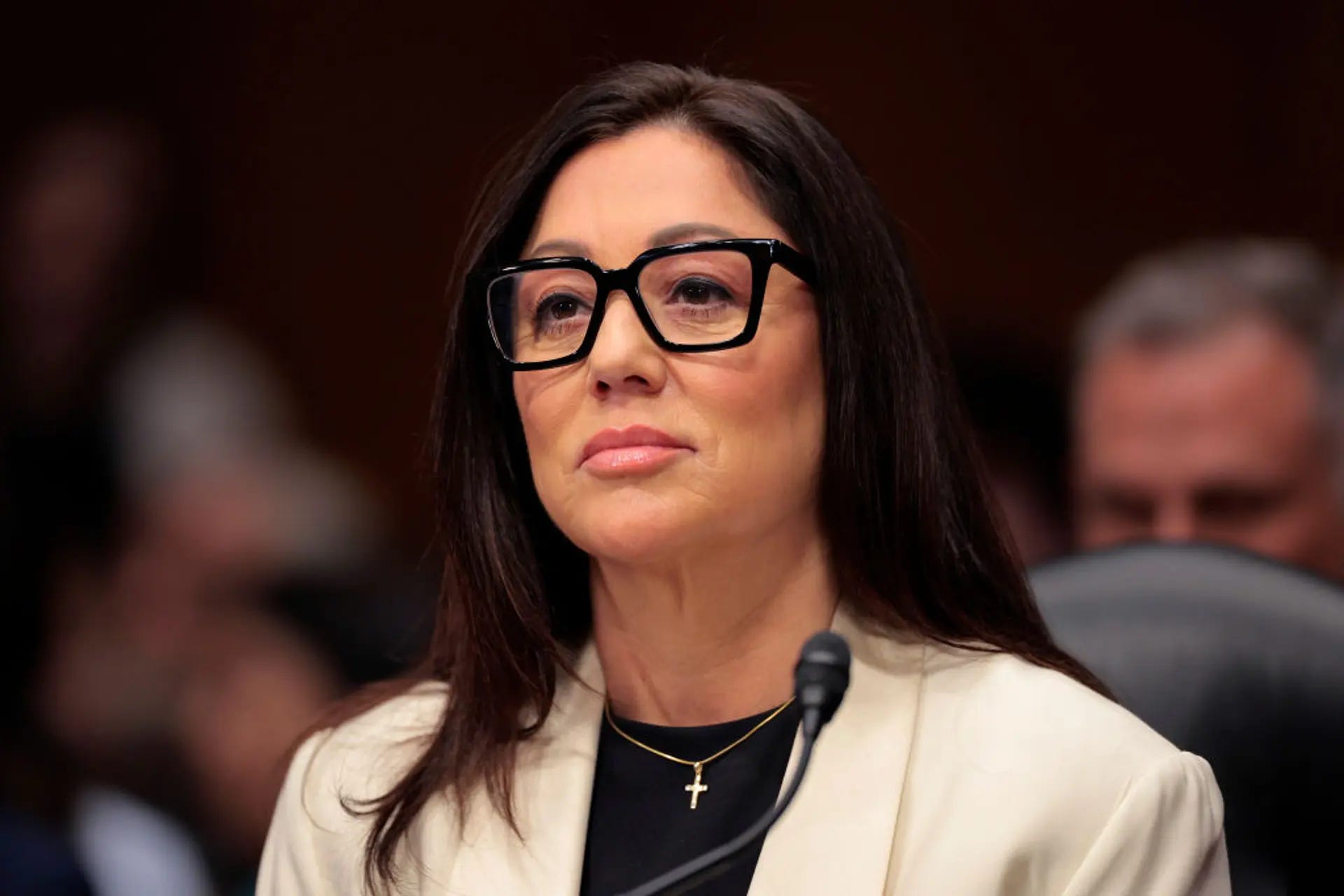
Trump Labor Secretary Lori Chavez-DeRemer Resigns Amid Mounting Misconduct Scandal.
Chavez-DeRemer, entangled in a string of controversies, is leaving for the private sector, the president’s spokesperson says.

Labor Secretary Lori Chavez-DeRemer is stepping down from her post, marking another high-profile departure from Donald Trump’s second-term cabinet as controversy and investigation close in.
The administration confirmed that Chavez-DeRemer will step down from her role to take a position in the private sector. Trump spokesperson Steven Cheung praised her tenure, claiming she “protected American workers” and advanced fair labor practices—though her resignation comes under a cloud of serious allegations that have cast a long shadow over her time in office.
Chavez-DeRemer becomes the third cabinet official to leave during Trump’s current term, following the departures of Homeland Security Secretary Kristi Noem and Attorney General Pam Bondi. Unlike routine transitions, however, her exit is deeply tied to an ongoing inspector general investigation into alleged misconduct involving both her and her inner circle.
According to reports, the investigation has examined claims that Chavez-DeRemer engaged in an inappropriate relationship with a member of her security detail and misused government resources for personal travel. At the same time, her aides are accused of attempting to steer federal grants toward politically connected allies—raising broader concerns about ethics and abuse of power within the department.
The controversy extends beyond the secretary herself. Her husband, Shawn DeRemer, an anesthesiologist, was barred from entering Labor Department headquarters after multiple female staff members accused him of sexual assault. The alleged incidents reportedly took place inside the department’s Washington offices, where the women said he touched them inappropriately.
While his legal team has denied the accusations and framed them as politically motivated, and authorities declined to pursue charges, the allegations further fueled scrutiny around Chavez-DeRemer’s leadership. The inspector general’s investigation into the broader misconduct allegations is believed to be nearing completion.
Once seen as a surprising bridge between Trump’s administration and organized labor, Chavez-DeRemer entered the role with a unique political profile. The daughter of a Teamsters union member and a former Republican congresswoman from Oregon, she had earned support from unions in her district—even as she ultimately lost her 2024 reelection bid.
Her nomination initially drew cautious optimism from labor groups skeptical of Trump’s broader agenda. In a rare show of bipartisan support, the Senate confirmed her in a 67–32 vote, with more than a dozen Democrats joining Republicans.
But whatever promise her appointment once held quickly unraveled.
Her tenure was increasingly defined by internal turmoil. Earlier this year, three senior women within the Labor Department filed civil rights complaints against her, adding to a growing list of grievances. Accounts from more than two dozen current and former employees painted a troubling picture of dysfunction—describing a toxic workplace environment marked by absentee leadership, hostile aides, and deeply demoralized staff.
Even as Chavez-DeRemer publicly championed Trump as “the most pro-worker president in American history,” the reality inside her department told a far different story.
Now, her resignation closes a turbulent chapter—one that underscores not only personal scandal, but deeper questions about leadership, accountability, and the integrity of an administration already facing mounting scrutiny.