




We pride ourselves on being strong, independent, and emotionally self-sufficient. But what happens when the walls built to protect us become the very walls preventing us from experiencing love, trust, and meaningful connection?
There is a particular kind of loneliness that comes from wanting to be loved but struggling to let anyone get close enough to love you.
You may be the woman everyone describes as strong. The one who handles her problems privately, rarely asks for help, and insists everything is fine even when her world feels like it is falling apart.
You may have mastered the art of appearing emotionally composed, convincing everyone around you that you need very little from anyone.
But beneath that independence, there may be an uncomfortable truth: you want connection, yet vulnerability feels threatening.
Perhaps you withdraw when a relationship becomes serious. Maybe you struggle to express your feelings, change the subject when conversations become emotional, or convince yourself that needing someone is a weakness.
These experiences can sometimes be associated with an avoidant attachment style, a pattern in which emotional intimacy, vulnerability, and dependence can feel uncomfortable or unsafe.
And for women who have spent much of their lives being encouraged to remain strong, understanding this pattern can be the beginning of a profound emotional transformation.
When Independence Becomes a Form of Self-Protection.
Society frequently celebrates independent women. We admire women who overcome adversity, manage responsibilities, and refuse to let difficult circumstances define their lives.


But independence and emotional avoidance are not the same thing.
Healthy independence means knowing you can stand on your own while remaining open to meaningful relationships.
Emotional avoidance, however, can involve keeping people at a distance because closeness feels threatening.
A woman with avoidant attachment tendencies may genuinely love her partner yet feel overwhelmed when emotional intimacy increases.
She might struggle to ask for reassurance, avoid difficult conversations, or retreat when someone expresses a desire for deeper connection.
Sometimes, she may even end a relationship before the other person has an opportunity to disappoint her.
From the outside, these behaviors can look like indifference.
But emotional distance does not necessarily mean an absence of love.
Sometimes, it reflects a learned belief that depending on others is dangerous.
Before You Continue!
Every woman deserves to be heard, understood, and empowered. At The Women Post, we’re committed to telling stories that matter, challenging harmful narratives, and amplifying women’s voices.
If you believe in our mission, upgrade to a paid subscription today. Your support helps us keep these important conversations alive and reach more women around the world.
Become a paid subscriber. Help us turn women’s voices into lasting impact.
How Do You Recognize Avoidant Attachment?
Avoidant attachment can appear in romantic relationships, friendships, and family connections.

Some common tendencies include:
Feeling uncomfortable when someone becomes emotionally close.
Struggling to express sadness, fear, disappointment, or emotional needs.
Preferring to handle personal difficulties without asking for help.
Withdrawing during disagreements instead of discussing uncomfortable feelings.
Feeling overwhelmed when a partner seeks reassurance.
Maintaining an appearance of strength while struggling internally.
Distancing yourself when relationships begin requiring vulnerability.
These behaviors do not automatically mean someone has an avoidant attachment style. Personality, circumstances, past experiences, and other factors can influence how people approach relationships.
The more revealing question is whether your independence is a conscious choice or an emotional defense you struggle to put down.
Where Does Avoidant Attachment Come From?
Our earliest relationships can influence how we understand love, trust, and emotional security.
Attachment theory, developed through the work of psychologist John Bowlby and expanded by Mary Ainsworth, explores how early caregiving experiences can shape expectations about relationships.
In Ainsworth’s famous Strange Situation research, some children displayed relatively little outward distress during separation and avoided or minimized contact when reunited with their caregivers.
Such patterns have been associated with environments where emotional needs may not consistently receive sensitive responses.
Imagine a little girl who cries and is repeatedly told to stop being dramatic.
Or a child who seeks comfort but regularly encounters emotional distance.
Over time, she may learn that expressing emotional needs does not reliably bring reassurance.
Instead, she begins managing difficult feelings alone.
That response may help her adapt to her environment, but similar expectations can sometimes follow her into adulthood.
Childhood is not destiny, however. Temperament, later experiences, and supportive relationships also influence attachment patterns.
Why So Many Women Struggle With Vulnerability?
Women frequently navigate contradictory expectations.
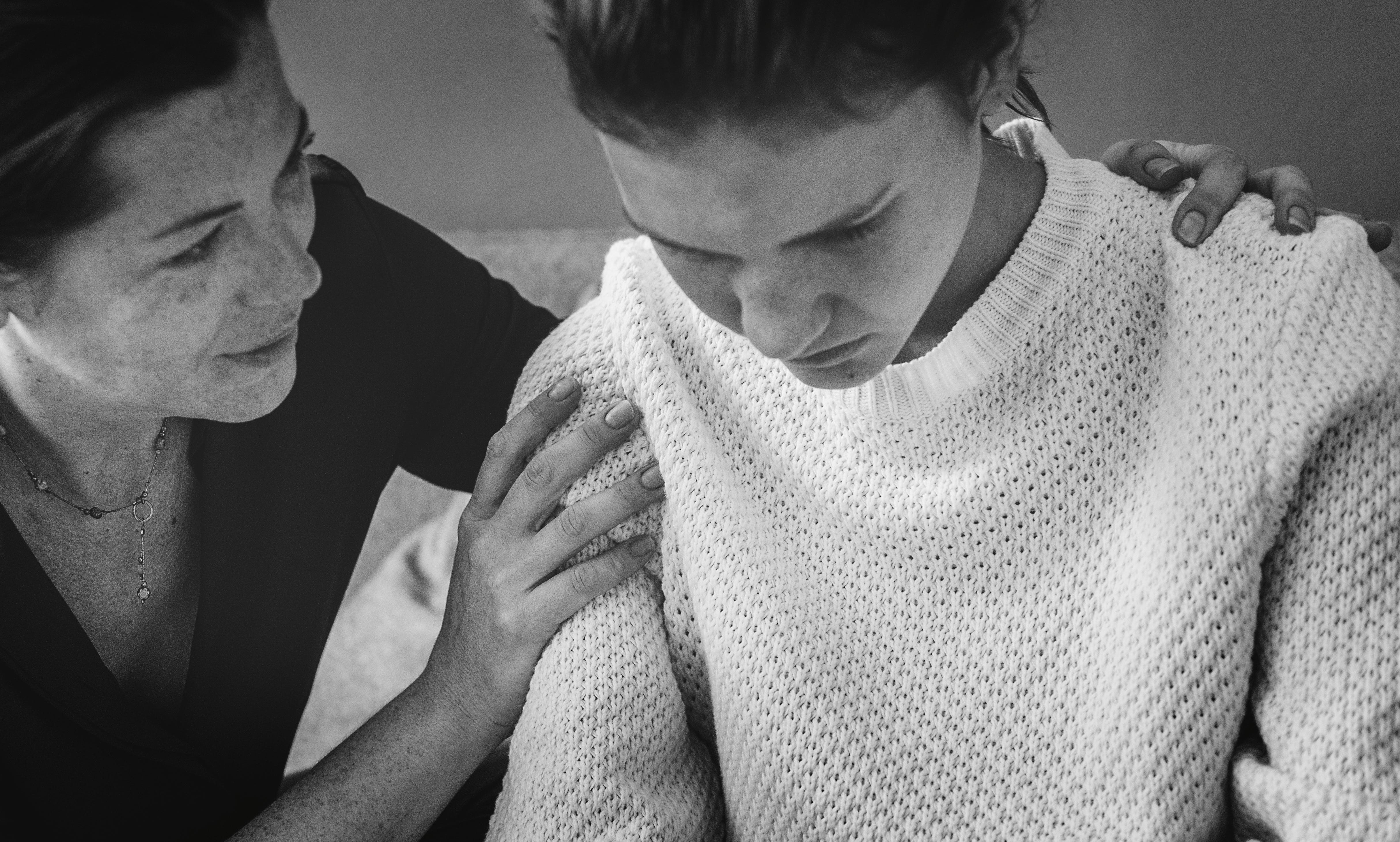
They are encouraged to be loving, emotionally available, and nurturing while simultaneously being praised for independence, resilience, and their ability to manage everything.
Some like me grow up watching our mothers, grandmothers, or caregivers carry enormous responsibilities without openly discussing their emotional struggles.
Others experience betrayal, neglect, painful breakups, or relationships that make vulnerability feel risky.
Eventually, emotional self-protection can become a familiar response.
A woman may become everyone’s source of comfort while finding it almost impossible to ask for comfort herself.
She may be the dependable friend, the responsible daughter, or the partner who insists she needs nothing.
Yet behind that image of strength, she may quietly wish someone would recognize her emotional needs without requiring her to explain them.
Being strong should never mean being emotionally unreachable.
And needing love, reassurance, or support does not make a woman less independent.
How to Begin Breaking the Pattern.
Recognizing avoidant tendencies is not a reason for shame. Attachment patterns are not permanent identities or psychiatric diagnoses.
They can change.
Begin by noticing when you feel the urge to withdraw. Ask yourself what triggered that reaction.
Was someone asking for emotional honesty?
Did a partner express a need for reassurance?
Did accepting help make you feel uncomfortable?
Instead of immediately retreating, practice naming what you feel.
You might say, “I care about you, but emotional conversations sometimes overwhelm me. I’m learning how to communicate instead of shutting down.”
Small moments of honesty can help create new experiences of emotional safety.
Developing healthier relationships also means learning to distinguish genuine warning signs from discomfort with intimacy.
Not everyone deserves your trust. Healthy vulnerability requires boundaries, consistency, and mutual respect.
A qualified mental health professional can also help you explore recurring patterns and develop healthier ways of connecting.
Before You Click Away!
Every woman deserves to be heard, understood, and empowered. At The Women Post, we’re committed to telling stories that matter, challenging harmful narratives, and amplifying women’s voices.
If you believe in our mission, upgrade to a paid subscription today. Your support helps us keep these important conversations alive and reach more women around the world.
Become a paid subscriber. Help us turn women’s voices into lasting impact.
You Can Love Someone Without Losing Yourself.
If someone you love struggles with emotional intimacy, compassion matters. But so do your boundaries.

You can acknowledge their difficulties without accepting repeated emotional neglect.
You can offer patience without making yourself responsible for their healing.
And you can recognize that meaningful change requires willingness from both people.
For women who recognize these tendencies in themselves, the message is equally important: you do not have to abandon your independence to experience intimacy.
You can be self-sufficient and still accept support.
You can value personal space and still communicate your feelings.
You can protect your peace without shutting everyone out.
The strongest woman is not necessarily the one who needs nobody. Sometimes, she is the one who has learned that accepting love does not diminish her strength.
The walls you built to protect yourself may once have served a purpose. But you deserve the freedom to decide which ones still need to stand.
Because love should never require you to lose yourself.
And independence should never require you to live without connection.
This is something that most responsible ladies always practice but as humans, we need love from each other. If it's not because of anything that can stop from being love ,be loved .