
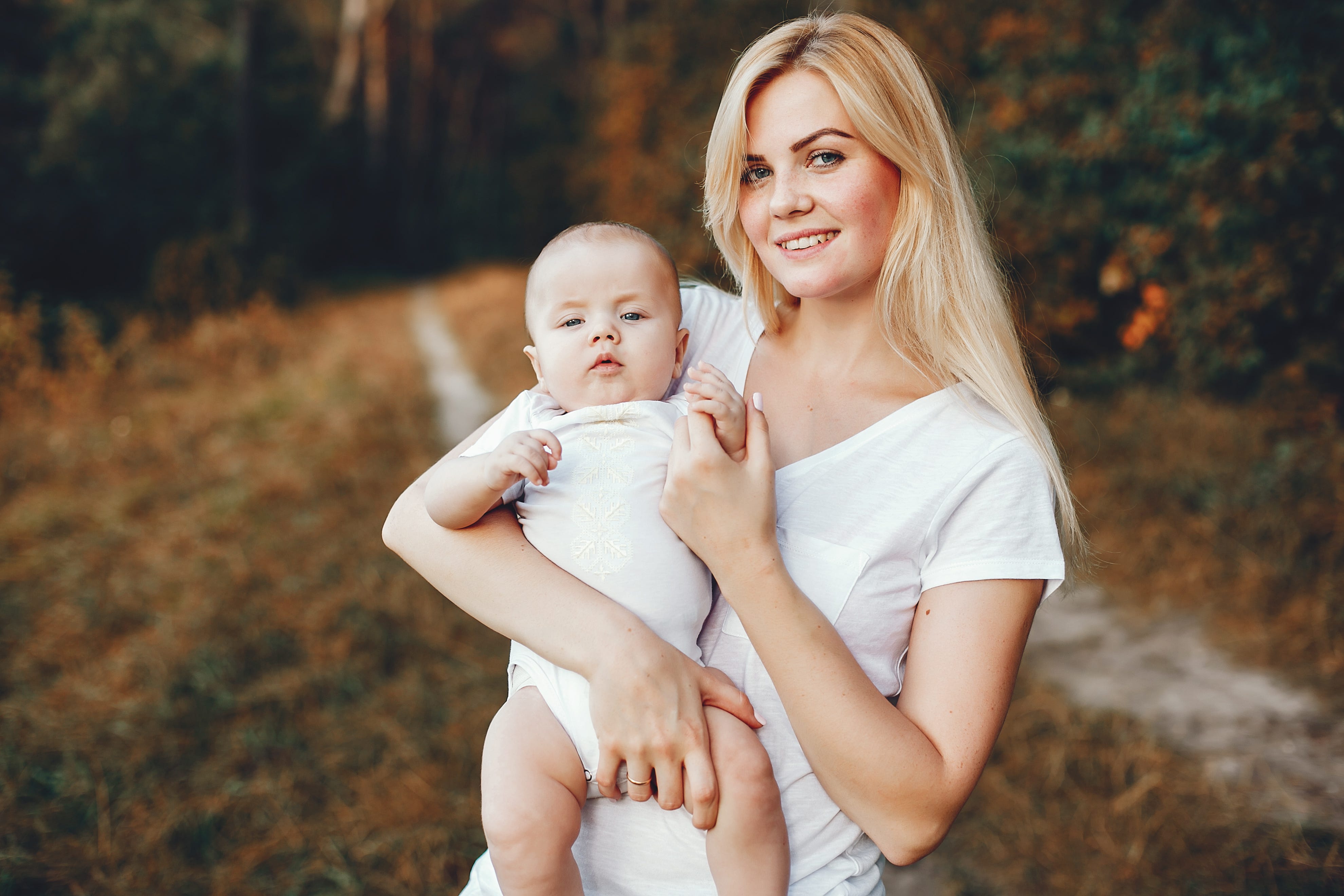
What No One Told Me About Navigating Postpartum Depression as a First-Time Mother.
The quiet battle between losing yourself and becoming someone stronger than you ever imagined.
If I could sit across from the version of myself who was still pregnant—hopeful, glowing, and completely unaware—I wouldn’t soften the truth. I wouldn’t wrap it in clichés or comforting half-promises. I would tell her plainly: motherhood is going to break you open in ways you cannot yet imagine.
I would tell her it will feel isolating at times, even when you are surrounded by people who love you. That it will demand everything from you—your energy, your identity, your sense of control. That some days will feel endless, like you’re climbing a mountain with no summit in sight.
But I would also tell her this: it will be breathtakingly beautiful. It will introduce you to a kind of love, so deep it almost hurts to hold. It will stretch your heart beyond what you thought it could carry. And somehow, in the middle of all that chaos and exhaustion, you will discover a strength you didn’t know you had.
I would tell her she will survive it. Even on the days she doubts herself the most.
“Because after my daughter, Lexis, was born, I didn’t just step into motherhood—I walked straight into postpartum depression and anxiety.”
And I wasn’t prepared.
The Myth of “It Won’t Happen to Me”
Before giving birth, postpartum depression (PPD) felt like something distant—something that happened to other women. It was whispered about in passing, reduced to the phrase “baby blues,” as if it were just a temporary emotional dip you could shake off with rest and reassurance.


But postpartum depression is not a passing mood. It’s a heavy, persistent fog. It lingers. It reshapes how you see yourself, your life, and sometimes even your child.
“What I didn’t fully understand then is just how common it is. So many women experience some form of postpartum mood disorder, yet we treat it like a rare complication instead of a likely possibility.”
And when you really think about it, how could it not be common?
You’ve just gone through one of the most physically intense experiences your body will ever endure. Your hormones drop dramatically. Your sleep disappears. Your entire identity shifts overnight. You are suddenly responsible for keeping another human alive—sometimes while healing from surgery, sometimes while breastfeeding around the clock, always while running on empty.
And yet, society expects you to smile through it.
Looking back, I wish I had been told this wasn’t something to fear in silence—but something to be aware of, something to be prepared for, something to talk about openly.
When Anxiety Turned Into Something Heavier
I had experienced anxiety before, so when it showed up again after Lexis was born, I recognized it immediately.
The constant worry.
The racing thoughts.
The feeling that something might go wrong at any moment.
I was hyper-aware of everything—her breathing, her sleep, every small change. My mind wouldn’t rest.
But then something shifted.
It wasn’t just anxiety anymore. It was heaviness.
Each day started to feel like a challenge I didn’t have the energy to face. Simple tasks felt overwhelming. Time moved strangely—both too slow and too fast. I found myself counting down the hours until bedtime, not because I was excited to sleep, but because I just wanted the day to end.
And even then, sleep wasn’t really rest.
What struck me most was how little support there was in recognizing this shift. Beyond a quick questionnaire at a routine check-up, no one really sat down and asked how I was actually doing. No one explained what these feelings might look like in real life.
So I had to name it myself.
And naming it was both terrifying and necessary.
Living Inside the Fog
The hardest part about postpartum depression (PPD) isn’t just how it feels—it’s how convincing it is.
At the time, I didn’t realize how deeply I was struggling. I knew I wasn’t okay, but I couldn’t separate what was depression from what I thought was just the reality of motherhood.
It felt normal to dread the day ahead.
It felt normal to feel constantly overwhelmed.
It felt normal to lose pieces of myself.
Only later did I understand that what I was experiencing wasn’t just an adjustment—it was depression.
Every morning felt like preparing for a storm I couldn’t avoid. There was a constant weight on my chest, like something was pressing down on me, no matter where I went. Even moments that should have felt joyful were muted, like I was watching my life through a fogged window.
And yet, I kept going.
Because mothers do.
Finding Ways to Stay Afloat
Once I acknowledged what I was dealing with, I started reaching for support in whatever ways I could.
Therapy became a lifeline. Having a space where I could speak honestly—without judgment, without needing to pretend—made a difference I can’t fully put into words.
I also leaned into structure. Even small routines helped create a sense of stability in days that otherwise felt unpredictable. Getting dressed, stepping outside, breathing fresh air—these weren’t big accomplishments, but they were anchors.
I talked openly with my husband, even on days when I didn’t have the words fully formed. Letting someone into my internal world, instead of carrying it alone, eased some of the weight.
Interestingly, one of the most important things I learned was this: what helps one person doesn’t always help another.
I was often told to take breaks from my baby—to create distance, to reclaim “me time.” And while that advice is valuable for many, it didn’t work for me. Being away from my daughter made me feel worse, not better.
What grounded me was being close to her. Holding her. Watching her. Reminding myself, in those quiet moments, why I was fighting so hard to get through each day.
The Woman I Am Now
Postpartum didn’t just change my daily life—it changed me.
There are parts of who I used to be that I still miss. The version of me before motherhood felt lighter, more certain, more in control. And some days, I still grieve that version of myself.
But the truth is, she’s gone.
And in her place is someone new.
Someone softer, yet stronger.
Someone more patient, yet more resilient.
Someone who understands pain more deeply—but also understands love in a way that version of me never could.
There are days I still feel like I don’t fully recognize myself. But there are also days when I feel an overwhelming sense of pride for everything I’ve survived.
Because this version of me? She fought her way here.
Learning to Love What Remains
I used to think healing meant “getting back” to who I was before.
Now I know that’s not the goal.
You don’t go back—you move forward. You gather the pieces of who you were and combine them with everything you’ve become. It’s not neat or perfect. It’s messy, uneven, and sometimes confusing.
But it’s real.
And there’s something powerful in learning to love that version of yourself—the one shaped by both joy and struggle.
I still look for moments of light. I still search for pieces of myself in unexpected places. And maybe I always will.
But I no longer see that as brokenness.
I see it as becoming.
Before You Click Away!
If this story moved you, it’s because these stories matter.
At The Women Post, we’re committed to giving women a voice—unfiltered, honest, and impossible to ignore. But we can’t do it without you.
If you’re a free subscriber, now is the time to step forward.
Upgrade today and take advantage of our 40% off annual plan—and help us continue telling the stories that too often go unheard.
Or, if you have a story of your own, share it with us. Your voice could be the one someone else is waiting to hear.
Support. Subscribe. Speak.
Because when women’s voices rise, everything changes.


