Will Democrats Deliver on Their Promise to Protect LGBTQ+ Communities Across America?
Democrats face a defining test: Will they turn their promises of equality into lasting protections, or will the communities that helped secure their victory be asked to wait again?
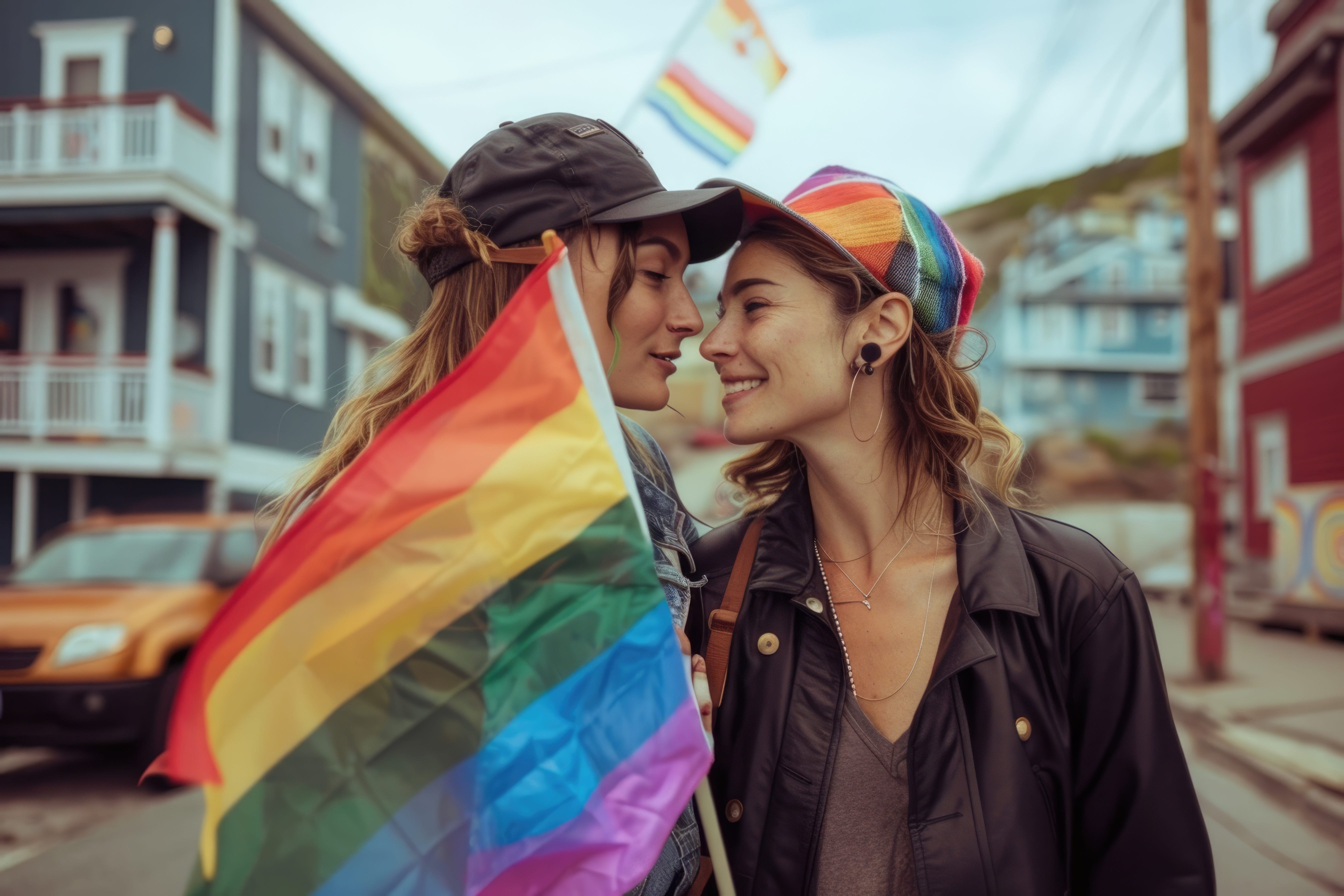
LGBTQ+ Celebrating Democratic Big Win 18 days ago. Credit: The Women Post Images.
The election is over. One can witness campaign signs disappearing from roads, streets, and corners across America. The victory speeches have faded, as rhetoric begins to shape the conversation in Washington.
While elected Democrats are celebrating a remarkable political comeback since the post-Watergate era in the 1970s, for millions of LGBTQ+ Americans who contributed to their landslide victory, the celebration comes with a question that cannot be answered by applause:
What happens now to the promises made to them during campaign speeches?
For months, candidates asked voters to defend democracy, reject discrimination, and protect fundamental rights. LGBTQ+ communities responded through organizing, campaigning, donating their hard-earned money, and voting.
Now those voters want something in return:
Not special treatment.
Not another carefully crafted statement of solidarity. They want the protections they were promised.
Because for a transgender teenager navigating school, a same-sex couple raising children, or an LGBTQ+ employee worried about discrimination, political promises are not abstract campaign slogans. They can shape the conditions under which people live, work, and build their futures.
And the 120th Democratic Congress must understand something fundamental: winning the trust of a community is not the same as earning the right to keep it.
Before You Continue!
Promises Are Not Enough. Accountability Matters.
LGBTQ+ communities deserve more than campaign promises. At The Women Post, we have remained committed to amplifying your voices, challenging political leaders, and demanding accountability.
Your support makes this work possible. Upgrade to a paid subscription and help us turn promises into accountability.
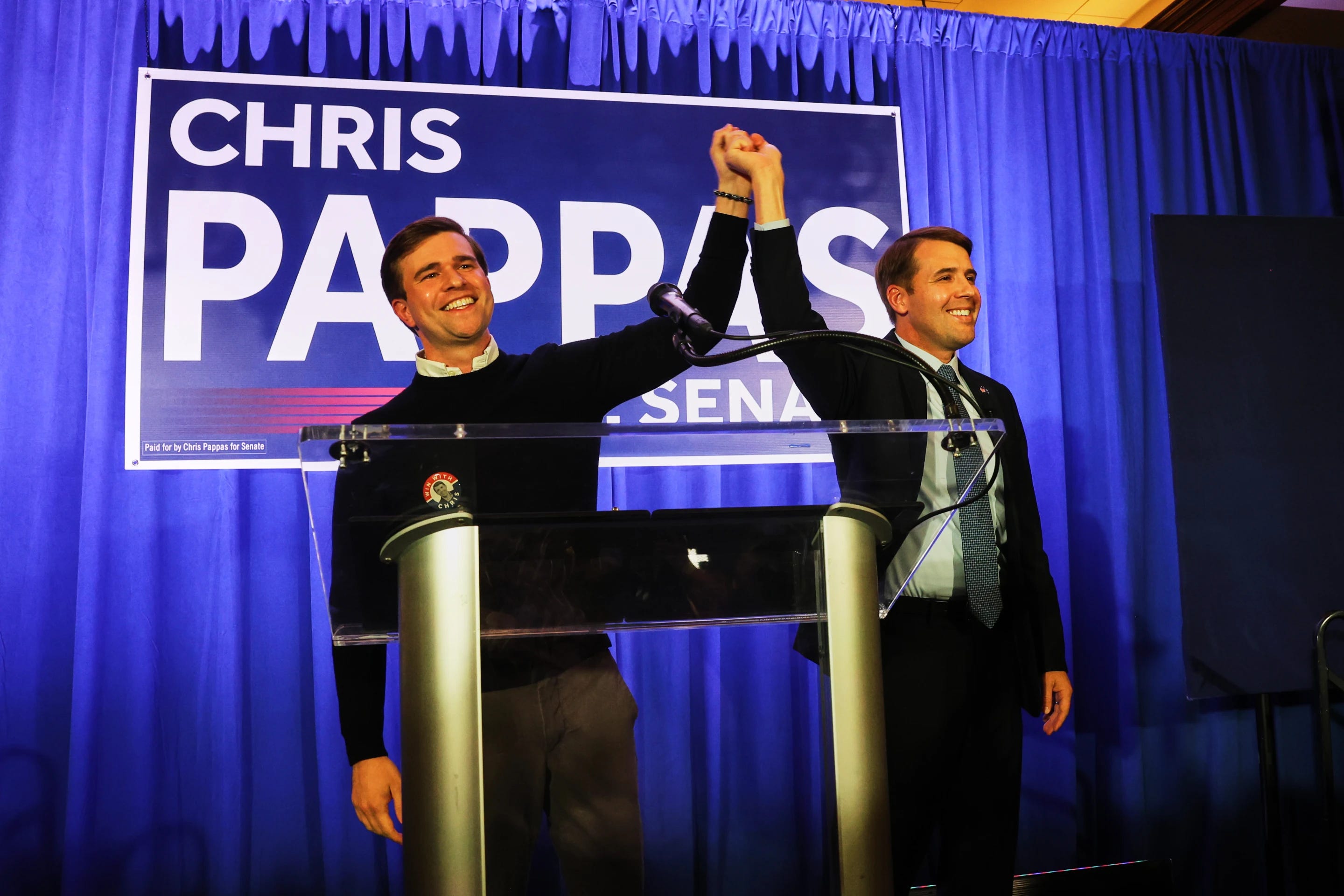
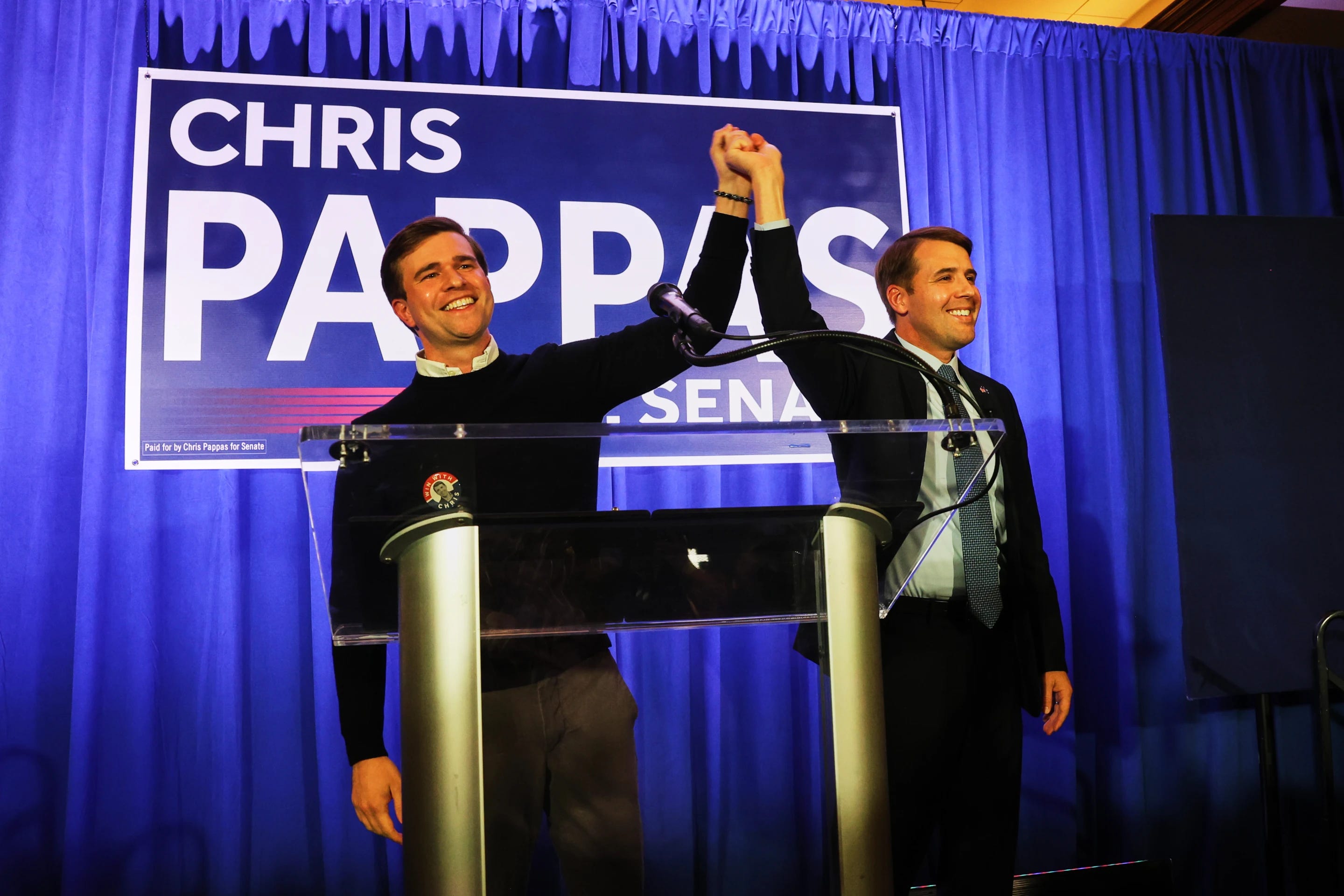
Democratic Senate candidate Rep. Chris Pappas, right, D-N.H., greets the crowd at an election night event, with Vann Bentley, left, Tuesday, Nov. 3, 2026, in Manchester, N.H. (AP Photo/Reba Saldanha)
The 2026 midterm elections delivered Democrats control of both chambers of Congress, a sweeping rejection of Republican leadership and a significant opportunity to reshape the national legislative agenda.
LGBTQ+ voters and advocacy organizations were part of that effort.
The message from LGBTQ+ advocates following the election was unmistakable.
On November 17, the Human Rights Campaign introduced a national policy agenda demanding stronger protections for LGBTQ+ workers, families, students, and patients.
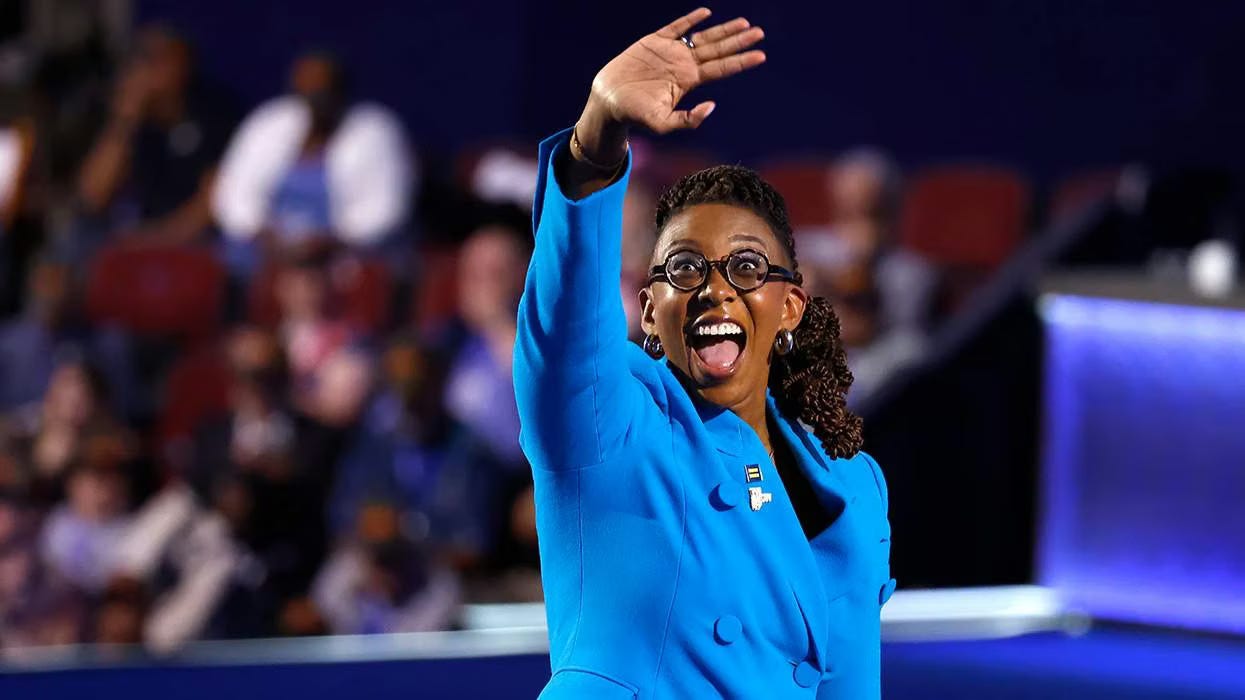
Its president, Kelley Robinson, declared:
President of the Human Rights Campaign Kelley Robinson onstage during the Democratic National Convention on August 21, 2024, in Chicago. Kevin Dietsch/Getty Images
That statement should resonate throughout the Democratic Party as they shape the country's leadership and prepare for the 2028 presidential election.
Political loyalty cannot become a one-way transaction in which communities are exploited and expected to deliver votes while politicians reserve the right to postpone their commitments indefinitely.
Democrats have won the opportunity to govern, and congratulations are due to all those elected. But 18 days have passed since the election, and we have yet to see what they intend to accomplish with their newfound political power.
Equality Cannot Survive On Campaign Promises Alone.
The struggle for LGBTQ+ equality has produced landmark achievements without a doubt.
LGBTQ+ Americans. Credit: The Women Post Images.
In 2015, the Supreme Court recognized the constitutional right to same-sex marriage.
In 2020, it ruled that federal employment discrimination protections extend to gay and transgender workers.
Yet important gaps remain.
The Equality Act, which would expand explicit federal protections against discrimination based on sexual orientation and gender identity, has remained a Democratic legislative priority without becoming law.
Meanwhile, disputes over transgender healthcare, school policies, participation in sports, and religious exemptions continue to divide lawmakers and communities.
These disagreements involve difficult legal and policy questions. They deserve serious debate, not slogans or the dismissal of every opposing concern.
But disagreement cannot justify abandoning the responsibility to protect people from the Republicans' discrimination and violence.
Democrats must now explain how they intend to advance their commitments.
Will they prioritize the Equality Act?
Will they hold meaningful hearings?
Will they pursue protections where bipartisan agreement is possible?
And will they explain publicly when legislative obstacles prevent progress?
These questions matter because congressional control does not guarantee legislative success. Senate procedural rules, presidential veto power, and constitutional challenges can still constrain what Democrats accomplish.
But those obstacles should demand political strategy, not political surrender.
Behind Every Political Debate Is a Human Life.
One of the greatest failures of modern politics is its ability to transform human lives into ideological arguments.
A transgender student becomes a headline. A same-sex marriage becomes a courtroom dispute. A family seeking healthcare becomes another talking point in a televised confrontation.
But behind those debates are people who must live with the consequences long after politicians leave the stage.
Consider parents trying to understand whether their child’s medical care will remain accessible. Or a young adult wondering whether moving to another state will mean losing protections they previously relied upon.
For them, equality is not a philosophical exercise. It is the ability to make ordinary decisions without constantly calculating political risk.
Research published by the Human Rights Campaign before the midterms found that 73.7% of respondents to its LGBTQ+ community survey identified civil rights and equal protections among their three most important voting issues. The survey also revealed widespread concern about the future of existing legal protections.
communityinsights.hrc.org
Those concerns deserve more than sympathetic speeches.
They demand legislation, oversight, enforcement, and leaders prepared to defend their commitments when doing so becomes politically uncomfortable.
It’s safe to say Democrats deserve recognition for advancing important LGBTQ+ protections, including The Respect for Marriage Act signed by President Joe Biden in 2022.
Democratic Senate candidate Rep. Chris Pappas, right, D-N.H., greets the crowd at an election night event, with Vann Bentley, left, Tuesday, Nov. 3, 2026, in Manchester, N.H. (AP Photo/Reba Saldanha).
But past achievements cannot become permanent substitutes for future action.
The party must now demonstrate that LGBTQ+ rights remain a governing priority beyond election season.
That means establishing clear legislative objectives, publishing measurable progress, and allowing voters to judge elected officials against their commitments.
It also means confronting difficult compromises honestly rather than presenting every political setback as someone else’s responsibility.
And LGBTQ+ voters must continue demanding answers, attending public meetings, examining voting records, and questioning representatives who promised change.
Before You Continue!
Promises Are Not Enough. Accountability Matters.
LGBTQ+ communities deserve more than campaign promises. At The Women Post, we have remained committed to amplifying your voices, challenging political leaders, and demanding accountability.
Your support makes this work possible. Upgrade to a paid subscription and help us turn promises into accountability.
Accountability is not disloyalty. It is the price of political trust.
Democrats have every reason to celebrate their victory. But they should remember the communities that helped make it possible.
The next chapter will not be written in campaign advertisements or victory speeches. It will be written through legislation, difficult negotiations, and decisions that affect millions of lives.
For LGBTQ+ Americans, the question is no longer whether Democrats know how to promise equality.
They have demonstrated that repeatedly.
The question now is whether they have the courage, discipline, and determination to deliver it.
And this time, we ask you, voters, to refuse to accept applause as an answer.